NOWHITZ PICK · Minnesota-born food and travel host Sonny Side eats his way through Jeju seafood, from Dongmun Market to marinated crab, hairtail and king crab.
Jeju International Airport → Bus 303 → Dongmun Rotary direct
The Jeju seafood route
The episode starts at Dongmun Fish Market and moves on to marinated crab, hairtail and king crab. It was published in July 2026, and prices shown reflect the time of filming.
About the host
Best Ever Food Review Show’s official profile says Sonny was born and raised in Minnesota and built the show around documenting food cultures in person. The episode was filmed on location in Jeju.
Sponsorship
The original video description identifies Holafly as the episode sponsor.
Chicago-based food and travel creator Josh Slavin eats a $15 meal at a Korean snack restaurant in Seoul in a 50-second Short.
A snack-shop meal
The original description identifies the setting as a Gimbap Cheongug in Seoul and frames the meal around a $15 budget. The video centers on the meal itself.
Branch details
The video names the restaurant brand, but the exact branch could not be identified. Its address, opening hours and current menu prices were not confirmed.
South Korea’s Joint Chiefs of Staff concluded that the September 21 blast in the western DMZ was caused by North Korean plastic anti-personnel mines laid south of the Military Demarcation Line. The military said it removed the minefield linked to the incident on October 5.
South Korean and United Nations Command teams conducted a joint field investigation from September 26 to 29, and the final assessment also drew on National Forensic Service analysis received on October 2. The three confirmed mine or blast sites were about 10 meters south of the MDL.
Mine removal on October 5
The military said the minefield south of the MDL that caused the incident was removed at about 12:51 p.m. KST on October 5. It said removal operations would continue if North Korea does not voluntarily clear other mines it placed south of the line.
What comes next
The announcement is the military’s final investigative finding, not an initial estimate. The scope of further mine-clearing and any additional military response have not been officially announced.
Released in 1985, “A Little Girl” is a Lee Moon-sae standard written and composed by Lee Young-hoon. An official 2018 KSPO DOME performance gives the song a clear present-day entry point.
“A Little Girl” was released in 1985, with both lyrics and music by Lee Young-hoon. Its melodic lines leave plenty of space around Lee Moon-sae’s conversational delivery, so the emotional contour of the song comes through before any vocal display.
Why it stayed with Korean listeners
The song did not remain sealed inside one generation’s memory. In 2015, Oh Hyuk remade it for the Reply 1988 soundtrack, introducing the melody to a younger audience while keeping the original song’s restrained, wistful character recognizable.
Hear it through an official live performance
Lee Moon-sae’s official channel carries his performance of the song from 2018 LEE MOON SAE the BEST at KSPO DOME in Seoul. It is a useful way to hear how a 1985 song functions in a large modern concert without replacing the original recording with an unrelated clip.
NOWHITZ PICK · Poonam, an Indian-Italian creator based in Seoul, spends 24 hours eating Korean street food in Busan, a look at regional food outside the capital.
24 hours in Busan
The original video, “24 HOURS KOREAN STREET FOOD CHALLENGE in Busan,” was published on April 7, 2026. It follows the process of choosing, ordering and eating on location.
About the channel
Pooh in Korea regularly covers food, daily life and travel while living in Korea. Addresses, prices and hours for the individual stalls in the video were not confirmed.
NOWHITZ PICK · Travel creators Angelica & Aileen Wanders sample 50 budget dishes and drinks at Seoul restaurants, markets and cafés. The video was filmed and published in 2024, and the prices shown are from that time.
From markets to cafés
The pair move through several Seoul districts, including Gwangjang Market, Myeongdong and Hongdae, trying street food, restaurant dishes, café drinks and snacks. Eating, comparing and ranking the food drives the whole video.
Prices and promotions
The video was published on December 7, 2024, and its description notes that prices can change. The description also includes Klook, Agoda and other discount or promotional links.
Current prices and hours for the individual shops were not confirmed.
Yutnori is a Korean board game played by throwing four wooden sticks and moving pieces around a board. At Seollal, the lunar New Year, adults and children sit down on the same teams. One person throws, and everyone weighs in on the next move.
From Seollal to the first full moon
Yutnori has traditionally been played from Seollal through Jeongwol Daeboreum, the first full moon of the lunar year. Families played at home and neighbours formed teams in their villages.
Some farming communities believed the winning side would have a good harvest. The game belonged to a season of gathering and talking about the year ahead.
Four sticks, five results
Each stick has a flat side and a rounded side. Their landing combinations produce do, gae, geol, yut or mo, worth one to five spaces respectively. Yut and mo earn another throw.
In a common version, each side has four pieces and must bring all four home to win. Getting one piece to the finish first is only part of the job.
Capturing, stacking, shortcuts
Landing exactly on an opponent’s piece sends it back to the start and earns another throw. A side’s own pieces can stack and travel together, which is faster but means they are captured together.
Reaching a junction can open a shortcut. Deciding which piece to move gives teammates plenty to debate, so everyone around the board takes part, not only the thrower.
Garak-yut and jongji-yut
Long wooden garak-yut are the familiar form, but smaller sticks were also shaken out of a little cup. In a 2021 National Folk Museum essay, folklorist Jang Jang-sik describes this jongji-yut practice in southern Korea.
Rules varied too. Back-do, for example, uses a marked stick to make a particular one-space result move backward. Players adapted the equipment and rules to their own gatherings.
What the records show
Early accounts of a game called jeopo are sometimes linked to yutnori, but the two cannot simply be treated as identical. Joseon-era records use names such as sahi and cheoksa, and the 18th-century writer Sim Ik-un described the sticks, board and play in detail.
Those records give a firmer picture of how people played than claims that the game has gone unchanged for thousands of years.
Heritage designation in 2022
In November 2022, yutnori was designated a National Intangible Cultural Heritage item with no single master or preserving group. The designation recognizes the communities that teach and play it.
The National Folk Museum’s 2026 Seollal program included a kiosk for yut-based New Year divination. Fortune-telling and the board game serve different purposes, but both tie the sticks to hopes for the year ahead.
Brazil-born travel and food creator Haruyuki samples convenience-store food in Korea in a short-form video.
Korean convenience-store food
The original Short, “Trying convenience store foods in Korea,” was published on August 8, 2025. The vertical video centers on choosing and tasting items from a convenience store.
Store details and creator
The exact convenience-store branch could not be identified, and its address, prices and hours were not confirmed.
Haruyuki is a Brazil-born Japanese-Brazilian creator who regularly covers travel and food around Asia.
NOWHITZ PICK · jucchini, an American creator who moved to Korea, describes 10 habits and attitudes she says changed after the move. The video is one person’s account.
A resident’s self-observation
She walks through changes she noticed in taking photos, patience, fear of mistakes, eating out, nunchi, family and her sense of safety.
One person’s experience
The original video was published on September 25, 2026. Her observations are a record of her own adjustment, not general claims about Korean society.
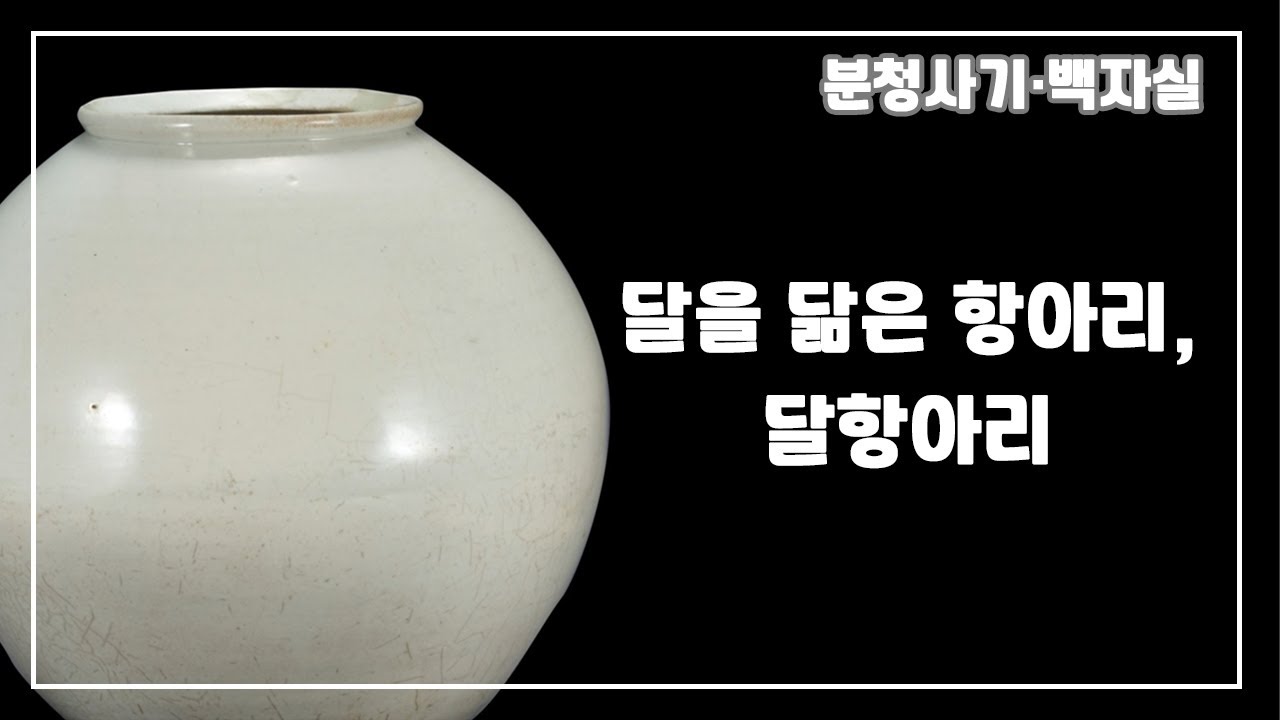
Joseon white-porcelain moon jars are round, but not mechanically perfect spheres. A slight lean, a soft white surface and a relaxed silhouette define the form.
Named for its moon-like shape
The National Museum of Korea says the vessel is called a moon jar for its full, moon-like roundness. Its glaze is close to a warm milky white, and the body is softly rounded rather than geometrically exact.
Why the jars are uneven
Large jars can settle and shift during forming and firing, leaving a subtly uneven body.
The museum’s official video, shown with this story, focuses on the jar’s white surface and natural roundness.
lil bean life’s October 2 Short packs meals from Seoul into a 50-second food diary.
A fast Seoul food diary
The original title is “what i ate in south korea (seoul).” Quick cuts present the meals as a food, lifestyle and travel record rather than a restaurant guide.
Venue details
The restaurants shown could not be confirmed from the source, so addresses, prices and opening hours are not included.
Joseon printing meant selecting and arranging individual pieces of metal type by hand. Tiny letters cast to print books for the state and royal court survive at the National Museum of Korea.
Each character was a tool
The National Museum of Korea identifies its Imjinja as metal type produced during the reign of King Yeongjo. Joseon repeatedly cast and improved official type sets to print books needed by the state and the court.
The shape and consistency of each character determined the quality of the printing.
About 800,000 pieces of type
In its official video, the museum says it holds about 800,000 pieces of type, roughly 500,000 of them metal. The number shows how large an inventory of individual characters premodern book production required.
The video shows the type itself and Joseon printing culture.