
When Did Korea Start Eating Hotteok?
Golden dough wrapped around melted sugar, hotteok is a familiar winter street snack in Korea, and its dough and fillings have changed over time.
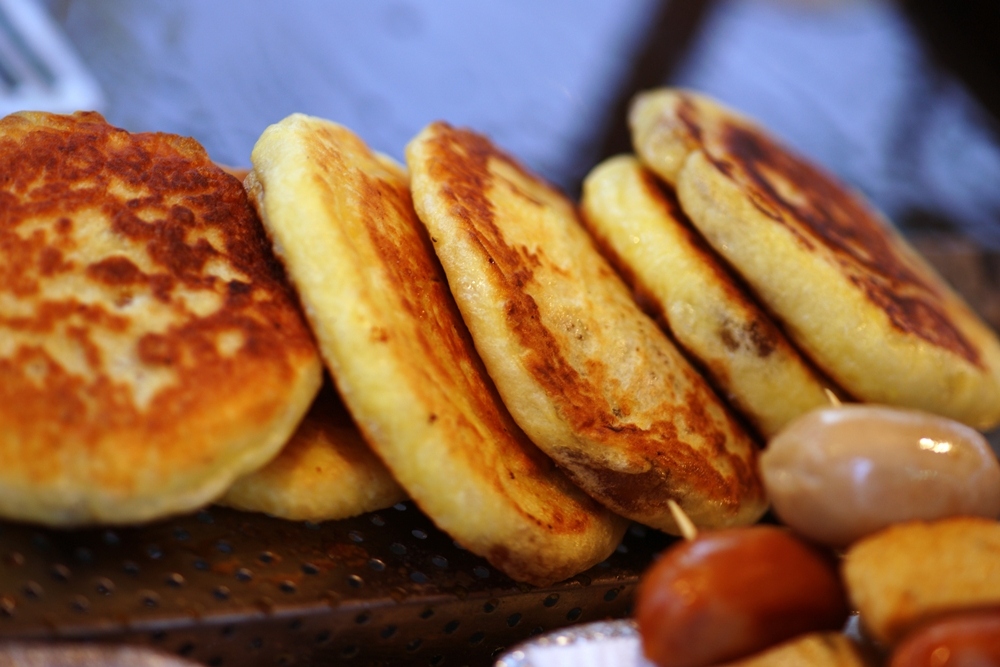
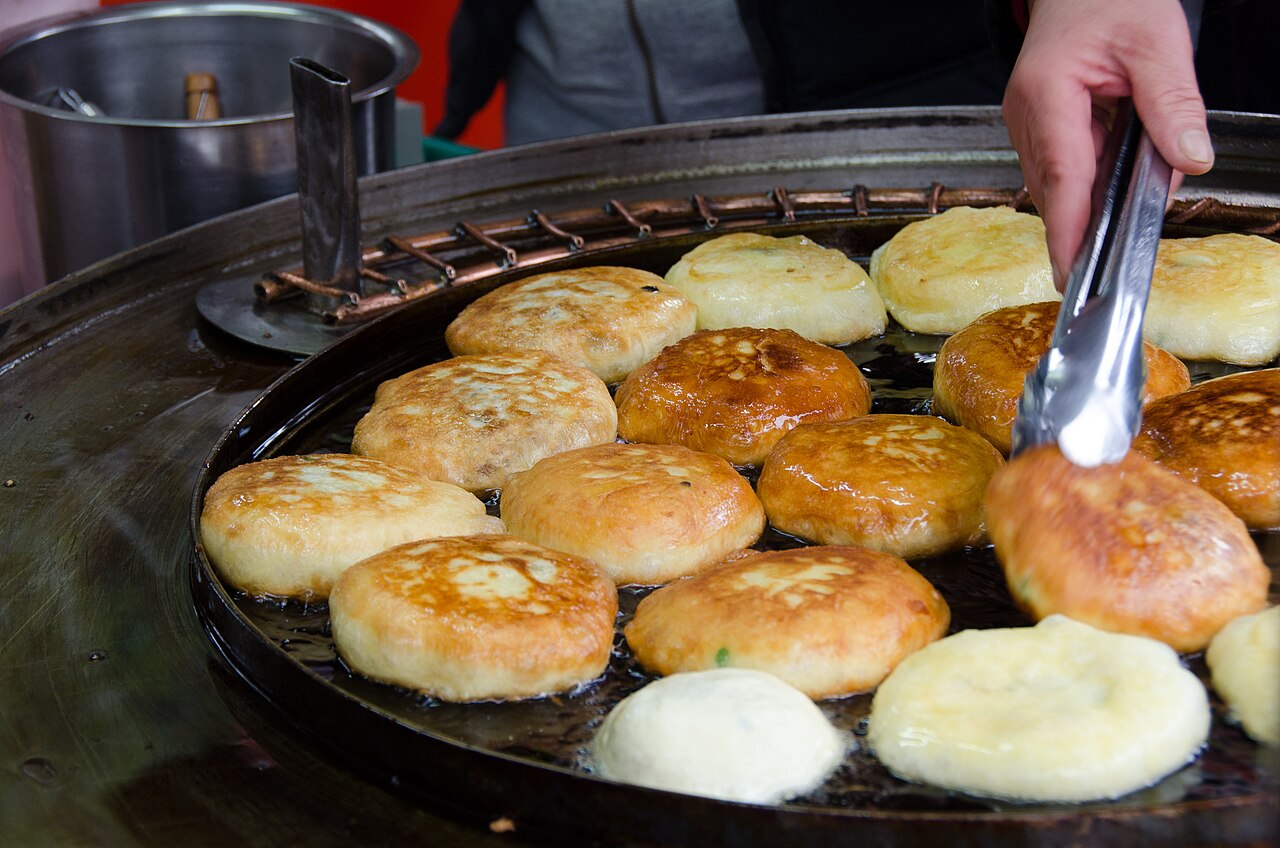
A ball of dough is pressed flat on a hot griddle. The edges spread thin, the surface turns golden and the sugar inside melts. Hotteok is a Korean street snack of wheat dough wrapped around a sweet filling.
By the 1920s, hotteok was already a popular food among ordinary Koreans. The Encyclopedia of Korean Culture notes that newspapers of the time published essays and short stories about hotteok and hotteok shops. A food bought as a meal or snack had entered both daily life and writing.
These records do not establish when today’s sugar-filled hotteok was first made.
Hotteok kept changing on Korea’s streets. Cooks fried it on oiled griddles, added cinnamon to the sweet filling, mixed glutinous rice into the dough or filled it with vegetables. The same name can describe very different textures.
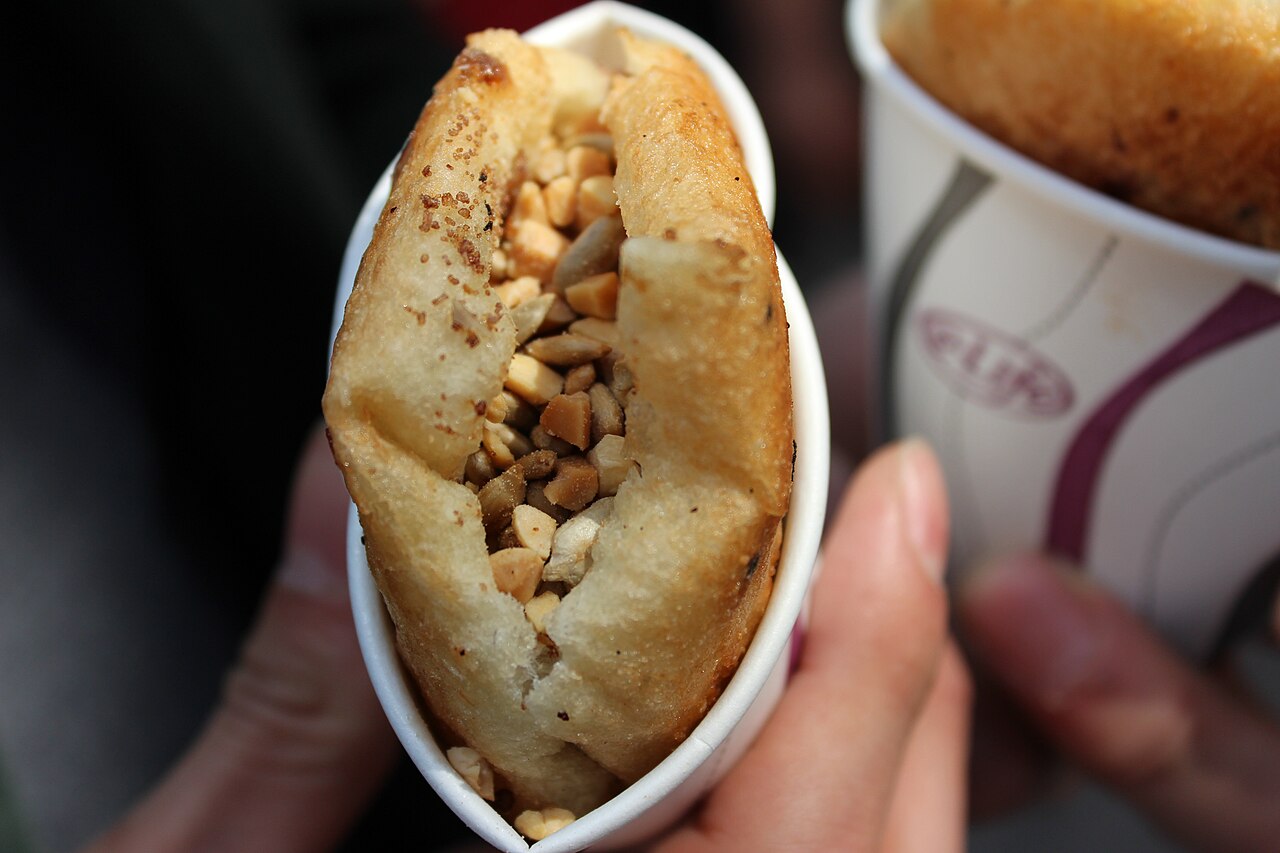
Busan’s ssiat hotteok, or seed hotteok, is one example. Seeds and nuts add crunch and a nutty note to the sweetness. The Korea Tourism Organization describes it as a Busan street-food specialty made with pumpkin seeds, peanuts, almonds and walnuts, among other ingredients.
Part of hotteok’s appeal is the variety within a familiar taste. Dough thickness and fillings differ, and cities and shops add their own touches. A single pancake on a winter street carries the daily lives of those who make it and those who eat it.
Sources & context
2026-10-09T06:17:52.099Z
Encyclopedia of Korean Culture ↗Wikimedia Commons · Korea.net/KOCIS ↗Creative Commons ↗KOCIS Korea ↗Korea Tourism Organization ↗Golden hotteok with thick edges and patches of color from the griddle. Archival photograph, 2010.
Hotteok browns on an oiled griddle. A round press for flattening the dough rests beside the tongs. Archival photograph, 2013.
An opened ssiat hotteok reveals its filling, tucked into a paper cup for eating by hand. Archival photograph, 2012.