
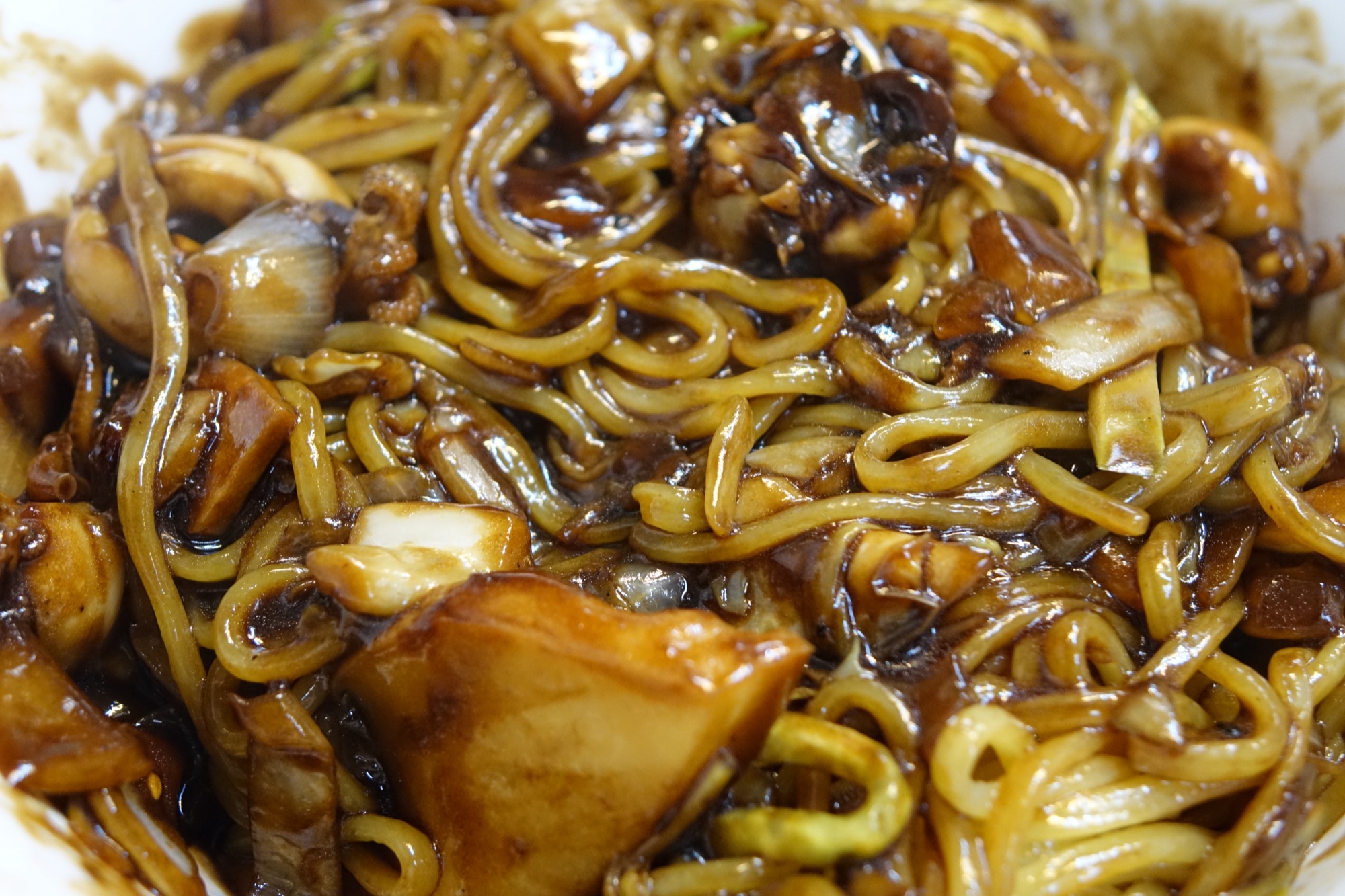
Jjajangmyeon only became standard Korean in 2011; before that, only “jajangmyeon” was correct
Korean Chinese restaurants had long written “jjajangmyeon” on their menus, but the National Institute of Korean Language did not accept that spelling as standard until Aug. 31, 2011. Until then the only correct form was “jajangmyeon.”
Accepted with 38 other items in 2011
On Aug. 31, 2011, the National Institute of Korean Language recognized 39 items, including jjajangmyeon and meokgeori (food), as standard and added them to the online Standard Korean Language Dictionary. The Korean Language Council had finalized the list at a plenary session on Aug. 22.
The institute said it had previously accepted only jajangmyeon, taekgyeon spelled 태껸 and pumse spelled 품세, but would now also accept the widely used forms 짜장면, 택견 and 품새. Both spellings of each became standard.
Jajangmyeon is still correct
Recognizing two standard forms followed a principle already allowed under the 1988 Standard Language Regulations. The institute said both the existing and the newly accepted words may be used in textbooks and official documents.
In a February 2026 reply on its Online Ganada Q&A service, the institute again said both jajangmyeon and jjajangmyeon are correct. A June reply added that jjajang on its own is also listed in the Standard Korean Language Dictionary.
From Shandong noodles to Incheon
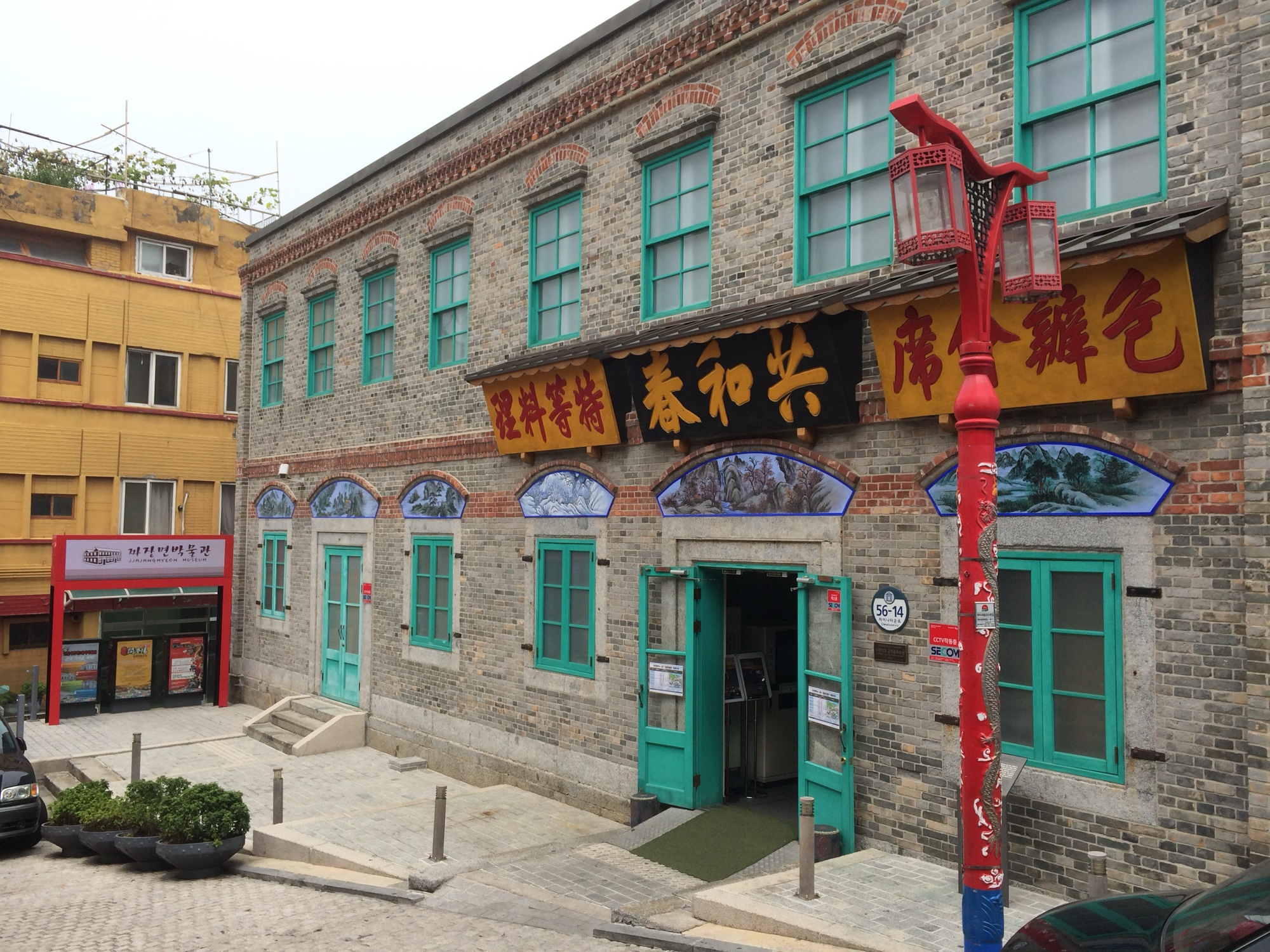
The Encyclopedia of Korean Culture traces the dish to chaojiangmian (炒醬麵), noodles topped with fried sweet bean paste from China’s Shandong Peninsula. Chinese restaurants followed the opening of Incheon’s port in 1883, and the encyclopedia says Gonghwachun, opened in 1905, was the first to sell jajangmyeon.
Gonghwachun closed in 1984. Its two-story red-brick building became a registered national cultural heritage site in 2006.
Chunjang and the flour-food campaign
The black sauce comes from chunjang. According to the encyclopedia, Wang Song-shan, a member of Korea’s ethnic Chinese community, created it in 1948 by adding caramel to tianmianjiang, a sweet fermented wheat paste.
The encyclopedia credits the government’s campaign to promote flour-based foods in the 1960s and 1970s with making jajangmyeon an everyday dish.
Sources & context
2026-10-15T23:46:17.709Z
National Institute of Korean Language · 39 new standard words (2011) ↗NIKL Online Ganada · jajangmyeon/jjajangmyeon ↗korean.go.kr ↗Encyclopedia of Korean Culture · Jajangmyeon ↗Wikimedia Commons · CC0 ↗Wikimedia Commons · Jjw / CC BY-SA 4.0 ↗Photo credit
최광모 (Wikimedia Commons) · CC0 1.0A bowl of mixed jjajangmyeon, photographed May 2015. Choi Kwang-mo / CC0 1.0. Proportionally downscaled.
Photo credit
Jjw (Wikimedia Commons) · CC BY-SA 4.0The former Gonghwachun building in Jung-gu, Incheon, described on its file page as the Jajangmyeon Museum (2014). Jjw / CC BY-SA 4.0.