

Before transit cards: Seoul’s little bus tokens
Before transit cards, Seoul bus passengers bought small metal tokens or paper coupon tickets in advance and handed one over for each ride. The objects record more than a payment method: fare collectors’ working conditions, student discounts and the gradual linking of the city’s transport system.
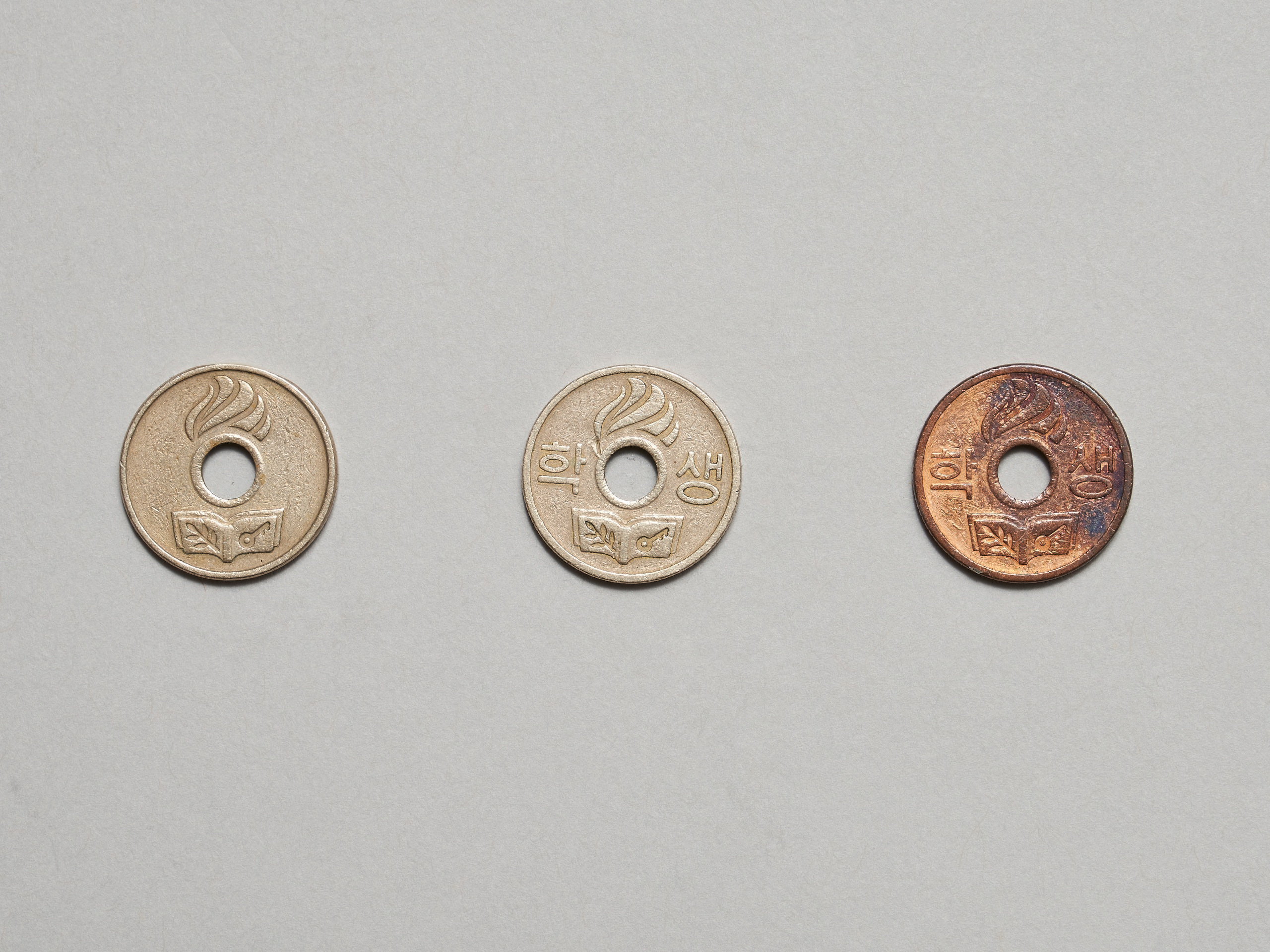
A coin-shaped ticket
A bus token looked like a small coin but worked as a prepaid bus ticket. Passengers bought tokens at sales outlets, carried them and handed one over as the fare. Unlike money, it paid only for a specified transport service.
Paper coupon tickets were another option, bought in sets and handed over one per ride. Getting to school or work meant checking for tickets as well as cash.
1977 and the bus conductors
Seoul introduced bus tokens in 1977, when conductors on board helped passengers on and off and collected fares. Tokens cut the need to count out change on a moving bus.
Seoul’s museum and municipal histories also cite another reason: women conductors accused of pocketing fares were subjected to abusive body searches. The stated aim does not mean those abuses ended at once.
Student and ordinary fares
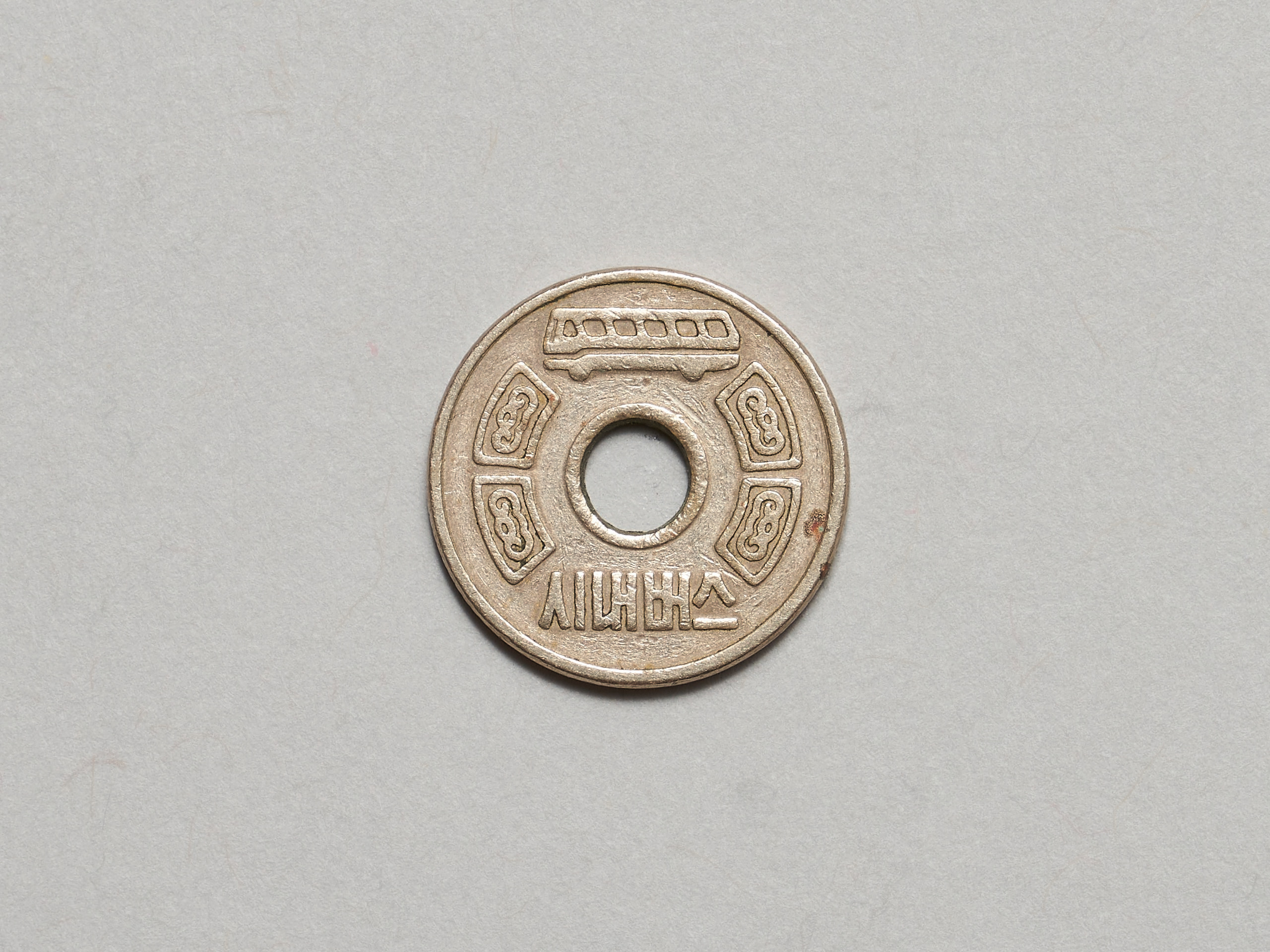
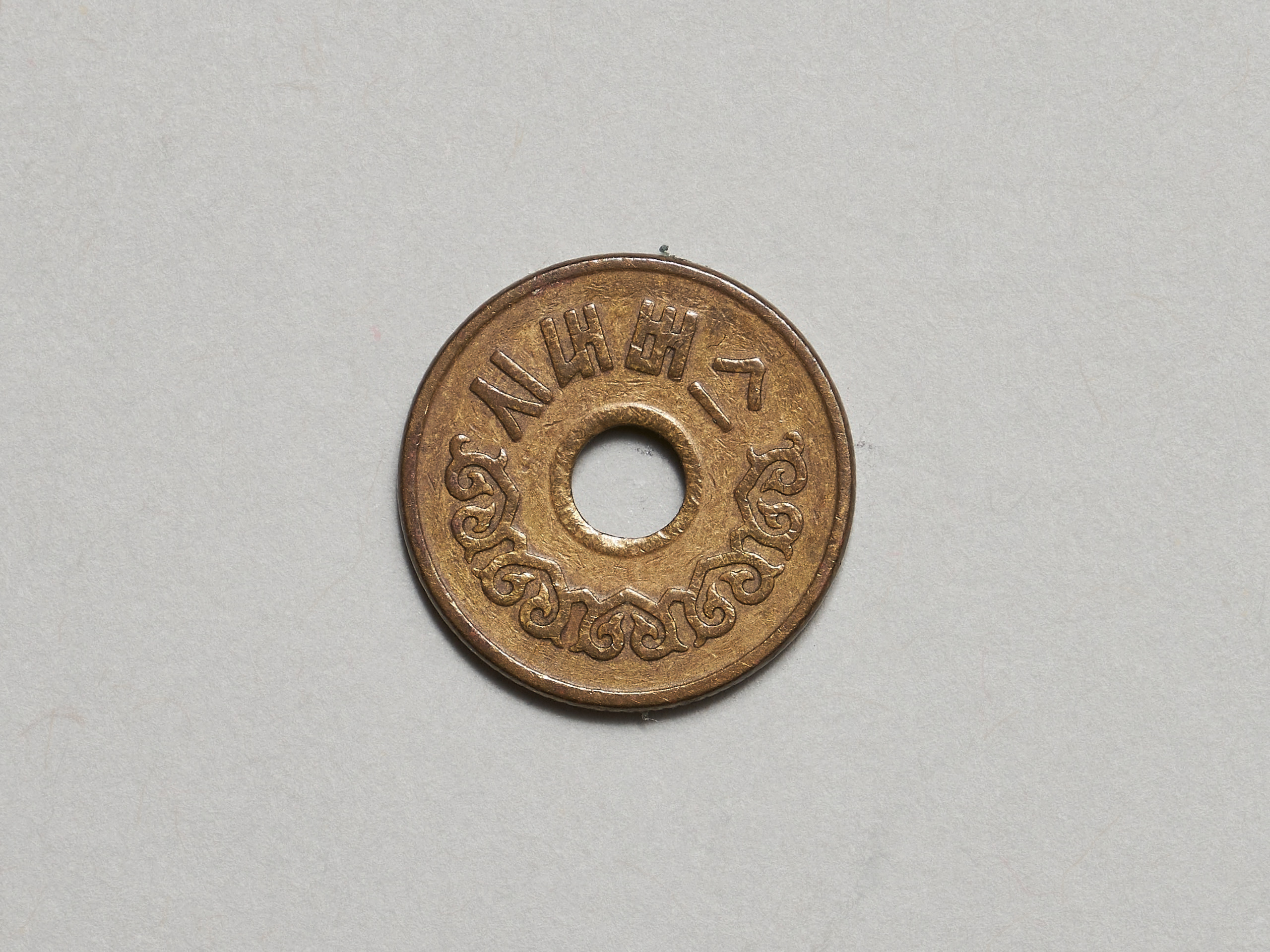
The Seoul Urban Life Museum says early ordinary-fare tokens were yellowish brass, while student tokens were made of a silvery alloy known as nickel silver. The type of token marked the fare category.
In Seoul, paper coupon tickets replaced student tokens in May 1979. There were initially separate coupons for elementary pupils, secondary pupils and university students, but university coupons were dropped in 1990, and university students began paying the ordinary fare.
Cities had their own histories
Seoul’s dates are Seoul’s history, not a national timeline. Other cities also used tokens and paper tickets. In July 2026, Busan’s city government announced a bus-history exhibition featuring its local tokens and coupon tickets.
That similar tickets existed in different cities does not mean passengers could use one city’s token in another.
Transit cards and Tmoney
Transit cards appeared in Seoul in 1996, and tokens were abolished there in 1999, so the shift to today’s Tmoney did not happen overnight. Tmoney’s own history dates the launch of Seoul’s new transit-card system to July 2004, followed by metropolitan integrated-fare settlement in July 2007.
More than the material changed. Electronic records allowed the system to link journeys and calculate fares across transport services.
From token to card
A token was surrendered for one ride; a rechargeable card holds a balance and can be topped up and reused. In an integrated fare system, recorded journeys also feed into the fare.
Tokens and paper tickets in museums preserve an older routine of buying tickets in advance, carrying them and taking one out to board. Paying with a card or phone today grew out of those changes in objects and institutions.
Sources & context
2026-10-09T02:11:52.173Z
Tmoney ↗Tmoney · history ↗YTN Science ↗YTN Science · YouTube ↗Seoul Museum of Urban Life ↗Seoul Metropolitan Government ↗museum.seoul.go.kr ↗Three Seoul student bus tokens, showing different surfaces and colours.
An individual detail of a student token’s lettering and design; a separate source photograph from the group view.
An ordinary-fare bus token, used for a fare category different from student tokens.