
By day, the lanes belong to printers, lighting shops and hardware stores; after work, small bars and outdoor tables come alive. Euljiro is where a decades-old industrial district overlaps with the newer nightlife behind the nickname “Hipjiro.”
Euljiro 3-ga · Lines 2·3 · 4 min walk
Euljiro’s character began with an industrial ecosystem
Hardware shops between Supyogyo and Gwansugyo grew busy after Cheonggyecheon was covered in 1961. Printing businesses began clustering around Euljiro, Inhyeon-dong and Pil-dong in the late 1960s. Urban growth in the 1970s, trading companies around Gwanghwamun and the nearby Chungmuro film industry all helped the printing trade expand. Today, printing, finishing, paper, lighting and tools still give the area its working texture.
Daytime Euljiro and nighttime Euljiro have different crowds
On weekday afternoons, people carry print jobs between shops, buy tools and visit suppliers. Near the end of the workday, shutters come down and office workers and younger visitors move into restaurants, bars and outdoor tables. The same lanes shift from workplace to meeting place as the day turns to evening.
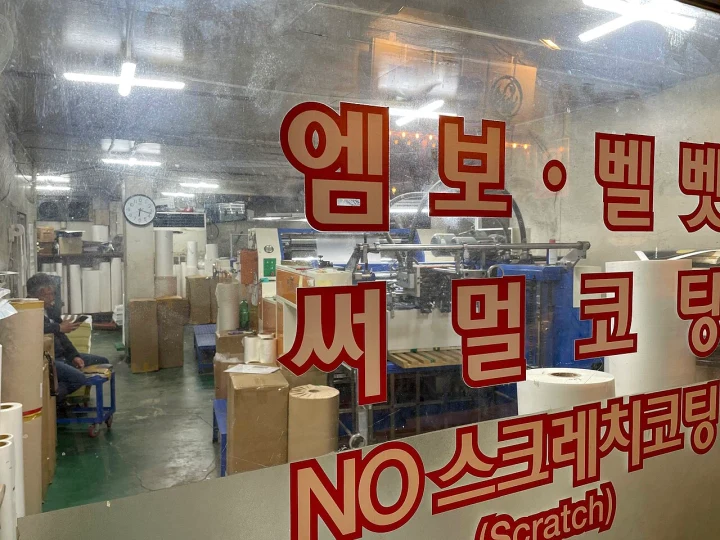
A printing alley where the process is visible
Bundles of paper, printing machines and delivery carts often appear before polished storefronts do. These are active workplaces, so keep doorways and delivery routes clear.
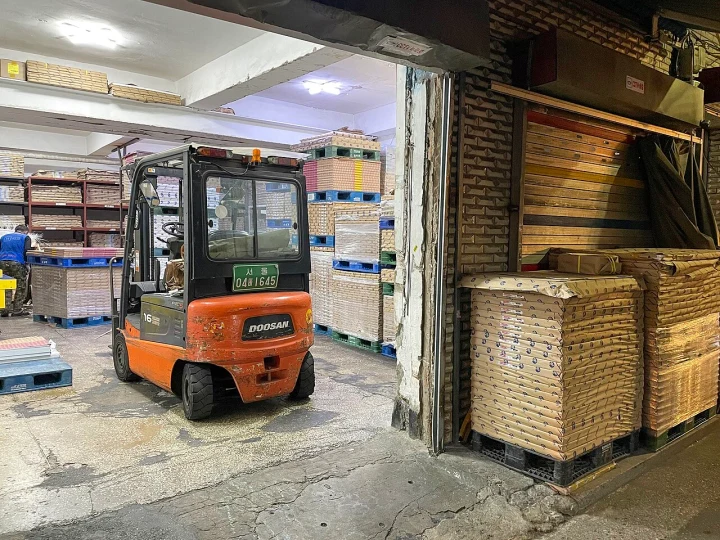
A streetscape built from lighting, hardware and tile shops
Specialist shops for lighting, tools, tiles and pottery still line the Euljiro 3-ga area. Visit by day and the industrial history becomes clearer than the “Hipjiro” nickname.
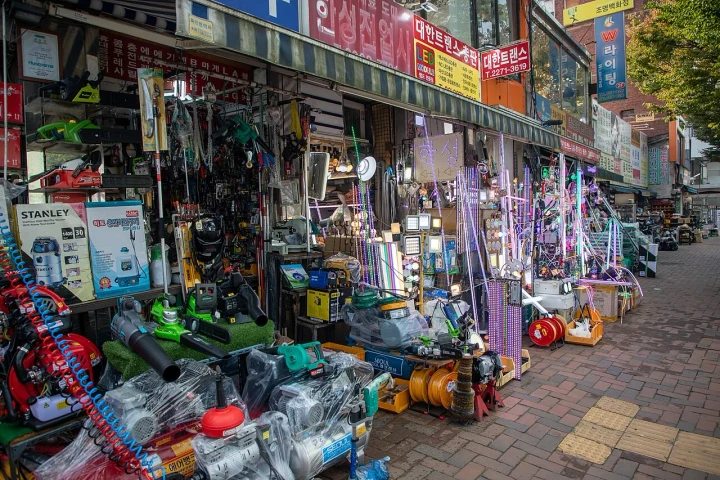
An evening culture that grew from Nogari Alley
Nogari Alley formed in the 1980s and was designated Seoul Future Heritage in 2015. It began as an affordable after-work stop for nearby workers and has evolved into a night street shared by different generations.
Weekdays from around 16:30
Begin while workshops and specialist stores are still active, then watch shutters drop and the evening lights take over.
Weekday daytime
Best for seeing the printing, lighting and hardware ecosystem at work. Many industrial businesses close on weekends, making the area much quieter by day.
After dark
Best for Nogari Alley, small bars and outdoor tables. Friday and Saturday evenings can be crowded and involve waits.
QUICK WALK
See the contrast between Printing Alley and Nogari Alley
RECOMMENDED
Printing Alley → lighting and hardware streets → Cheonggyecheon side → Nogari Alley
WITH FOOD
Walk the working district, then add dinner, a bar or outdoor seating
Before you visit
Daytime Euljiro is a real working district, not a set. Keep entrances, carts, motorcycles and loading areas clear. Ask before photographing people at close range or shooting inside active workshops. Visit on a weekday if the industrial side matters to you. Popular restaurants and bars may have waits in the evening.
Station access
Euljiro 3-ga Station
Start at Euljiro 3-ga Station
Seoul’s official visitor guide places Nogari Alley about 86 meters from Exit 3 of Euljiro 3-ga Station. By day, focus on the printing, lighting and hardware lanes; after work, outdoor tables, dried pollack and beer change the mood. Keep workshop entrances and delivery routes clear, and recheck hours and prices with each business before visiting.
Read next
For another evening walk through older Seoul, continue from Jongno 3-ga into Ikseon-dong.
PLACE INFO
LOCATION
NEARBY
Source english.visitseoul.net