
After Gunsan Port opened in 1899, the old downtown grew around rice exports, banks, trading houses and colonial commerce. Former banks, Japanese-style houses, a temple and the old harbor remain close together; today they form a walkable ‘Time Travel Village’ for reading the city’s modern history in place.
Gunsan Station
After 1899, the city center and its margins were built differently
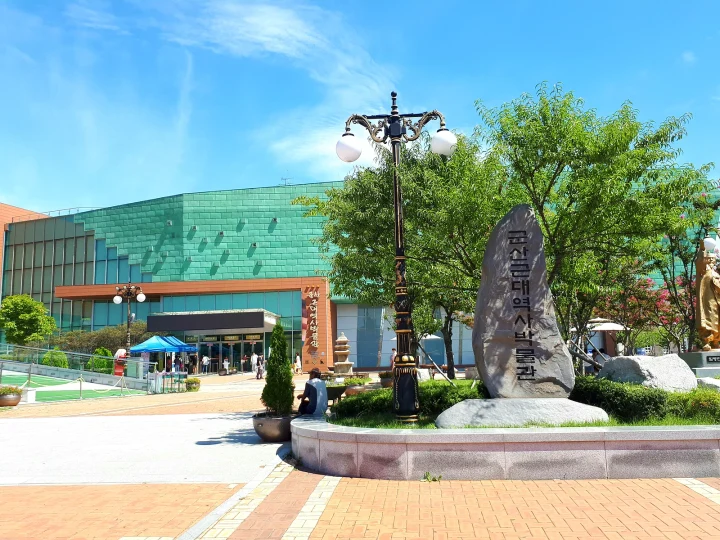
Gunsan Modern History Museum records that a foreign settlement was laid out around the inner harbor in a grid centered on today’s Haemang-ro. Government offices, banks and companies occupied the commercial core while rice milling and port labor expanded nearby. Korean workers were pushed toward hillside districts outside the settlement. The old buildings therefore record both development and exclusion, not simply a nostalgic ‘retro’ streetscape.
You can read the city as a connected route, not a single museum
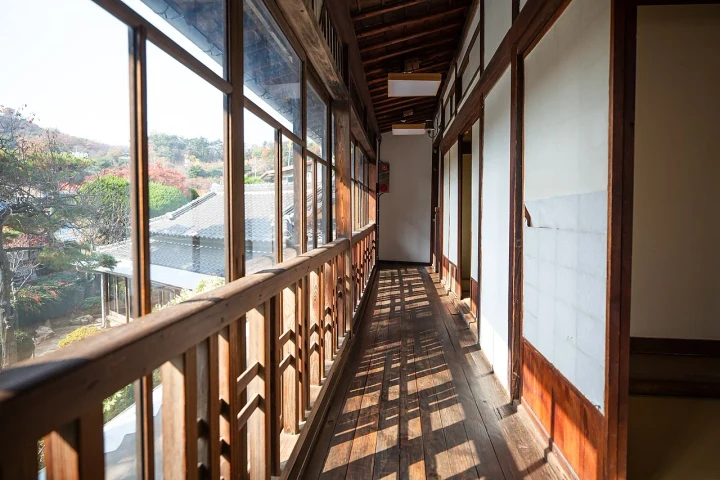
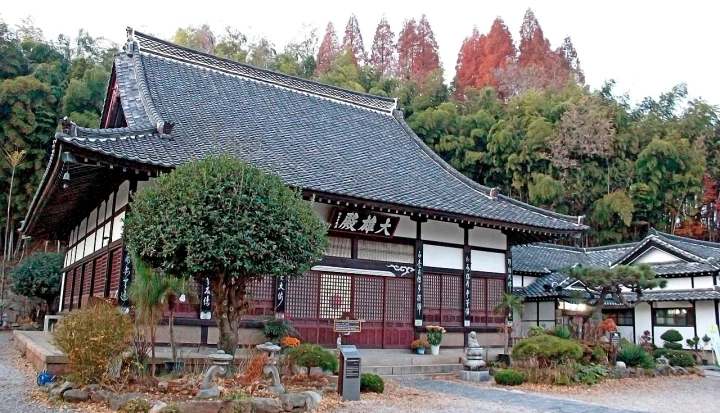
The old port’s buildings are compact enough to link on foot. Start with the museum for context, then continue to the Japanese-style House in Sinheung-dong and Dongguksa to see how finance, elite housing and religion overlapped in one colonial port city. The district was also selected for Korea’s 2026–2027 Local 100 cultural-tourism list.
TUE–SUN
Begin after the museum opens, build historical context indoors, then read the surviving buildings outside.
AFTERNOON
A useful window for the Sinheung-dong house and nearby streets. At Dongguksa, keep worship and temple activity undisturbed.
MANY CLOSURES
Several key cultural sites, including the museum and the Japanese-style house, commonly close on Monday.
QUICK WALK
Gunsan Modern History Museum → former bank buildings → inner harbor
RECOMMENDED
Museum → Japanese-style House → Dongguksa
SLOW DAY
Add the old downtown lanes, Haemang Tunnel and a longer harbor walk
Before you visit
The Japanese-style House in Sinheung-dong is currently viewed from the exterior and garden; do not plan on interior access. Dongguksa is an active Buddhist temple. Respect worship, ceremonies and photography guidance. Treat the architecture as evidence of colonial extraction and urban inequality, not just as a Japanese-style photo backdrop.
Station access
Gunsan Station
PLACE INFO
LOCATION
NEARBY
Source museum.gunsan.go.kr
Sources & context
2026-09-30
museum.gunsan.go.kr ↗www.gunsan.go.kr ↗museum.gunsan.go.kr ↗www.gunsan.go.kr ↗