
Cheongju Food and Drink Festa: 1913 cookbook dishes, Oct. 31–Nov. 1
The 2026 Cheongju Food and Drink Festa runs 31 October–1 November at the Culture Factory lawn plaza in Cheongju. Its programme includes cooking activities and a traditional refreshment table drawing on Banchandeungsok, a local cookbook dated to 1913, whose kimchi, rice cakes and sujeonggwa differ from today’s versions.
The festival and the cookbook
Banchandeungsok puts fish in cubed-radish kimchi, egg and chilli strips on rice cakes and dried persimmons in honey water for sujeonggwa. The names are familiar; the ingredients and methods are not.
In its 12 October announcement, Cheongju City scheduled the 2026 Cheongju Food and Drink Festa for 31 October–1 November at the Culture Factory lawn plaza, with cooking inspired by Banchandeungsok and a traditional refreshment-table experience. The historical dishes below illustrate the book; they have not been confirmed as workshop menus.
Sweets and drinks in a side-dish book
The National Folk Museum of Korea describes Banchandeungsok as a Korean-language cookbook from early-20th-century Cheongju, dated to 1913 from its cyclical-year notation, place name and writing conventions. The Sangsin-ri place name on its back cover ties the manuscript to a particular locality.
Its 46 recipes cover kimchi and preserved foods as well as rice cakes, sweets, drinks and alcohol. A separate vocabulary section records words for household goods and wedding items. As a single household’s record, it does not describe what every Cheongju resident ate.
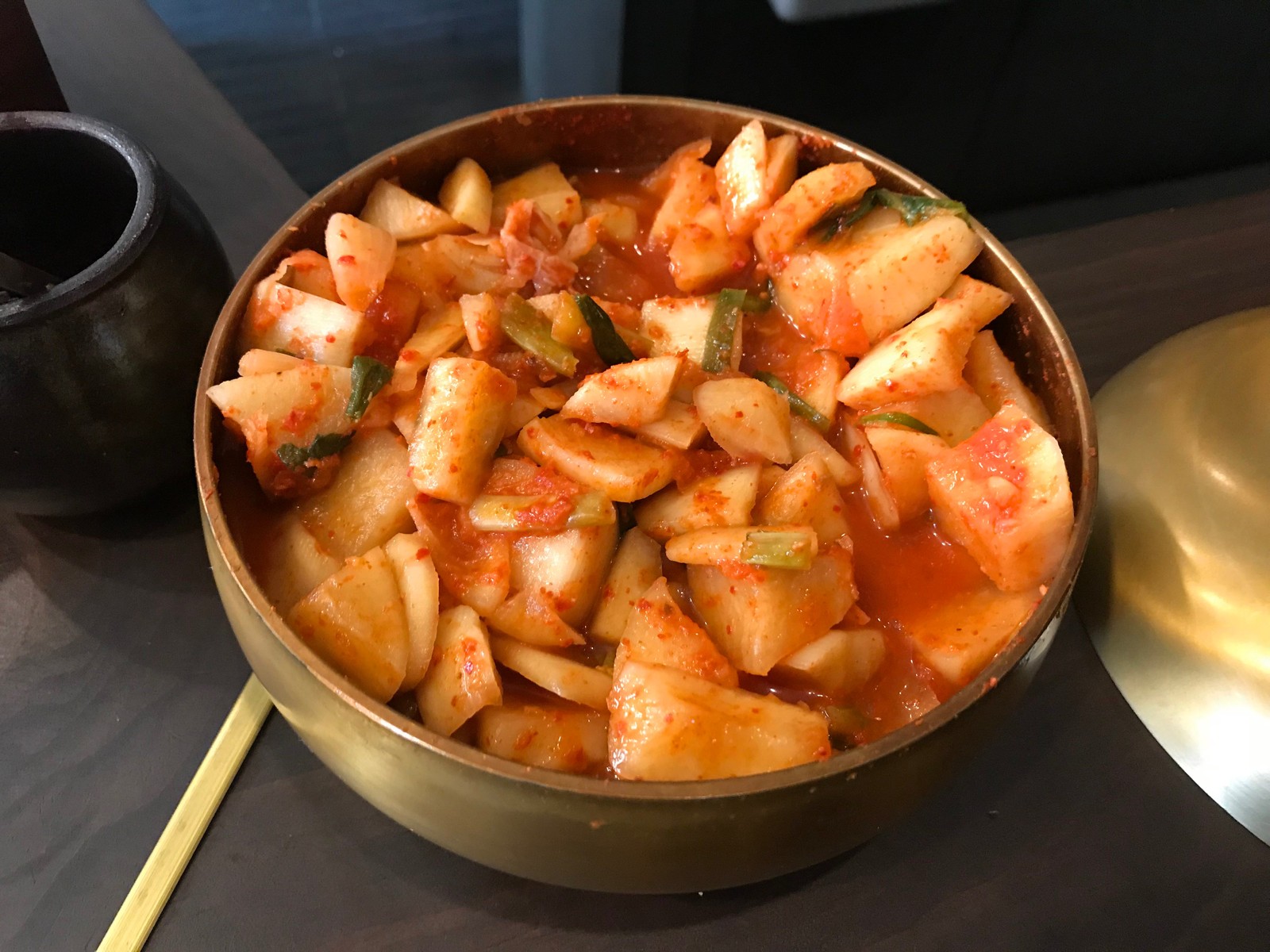
Kkakdugi with croaker
The Korean Food Promotion Institute describes modern kkakdugi as salted, diced radish mixed with chilli powder, salted shrimp, scallions and garlic. A 2015 study published by the East Asian Society of Dietary Life describes the book’s version as brined radish with chopped chilli, ginger and croaker. The fish is the main difference.
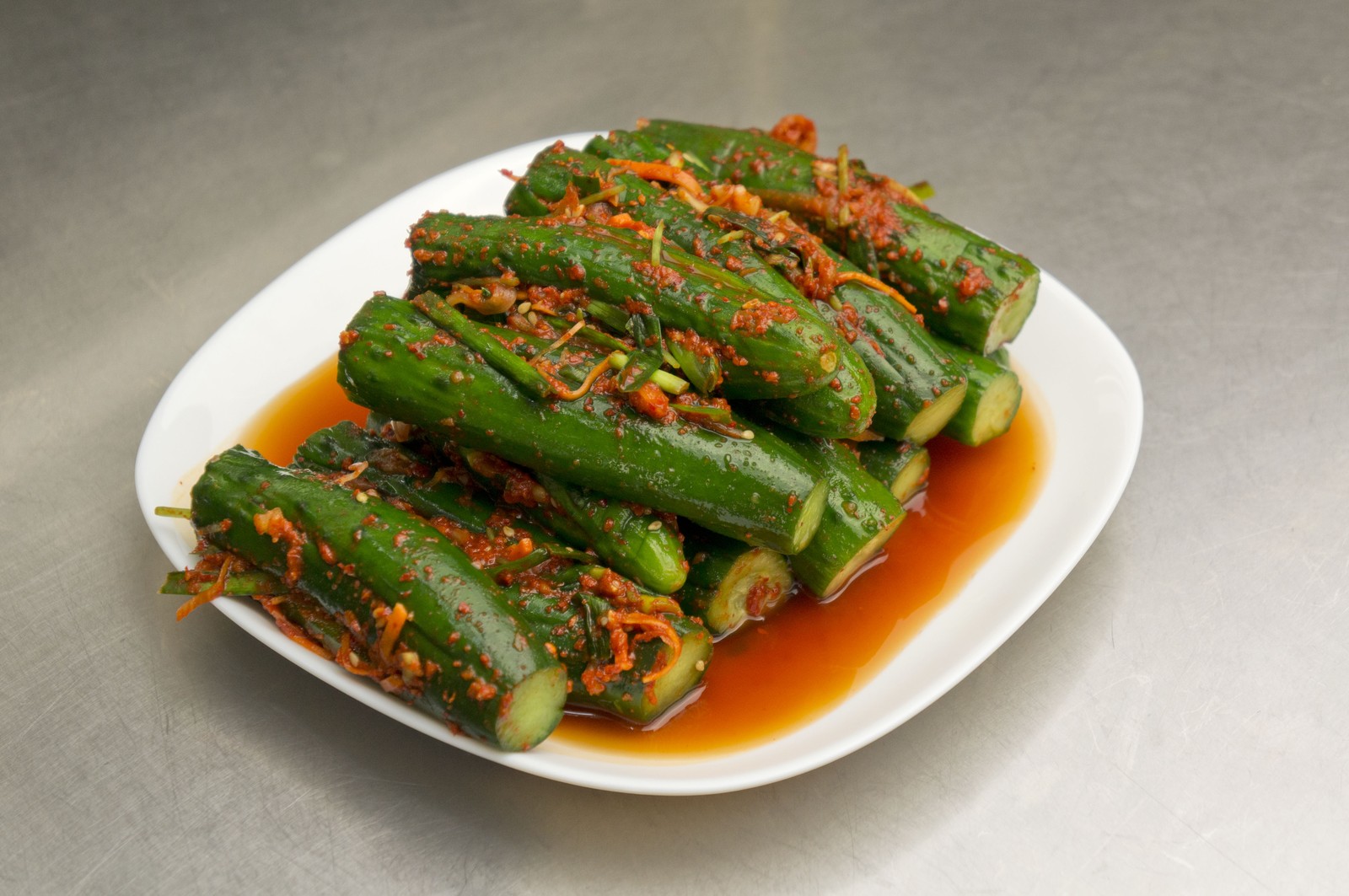
The same paper finds garlic, chilli and chopped croaker in the manuscript’s cucumber kimchi. Modern kimchi varies between households, so this compares particular documented examples. The accompanying kimchi photographs show modern dishes.
A rice cake with egg and chilli
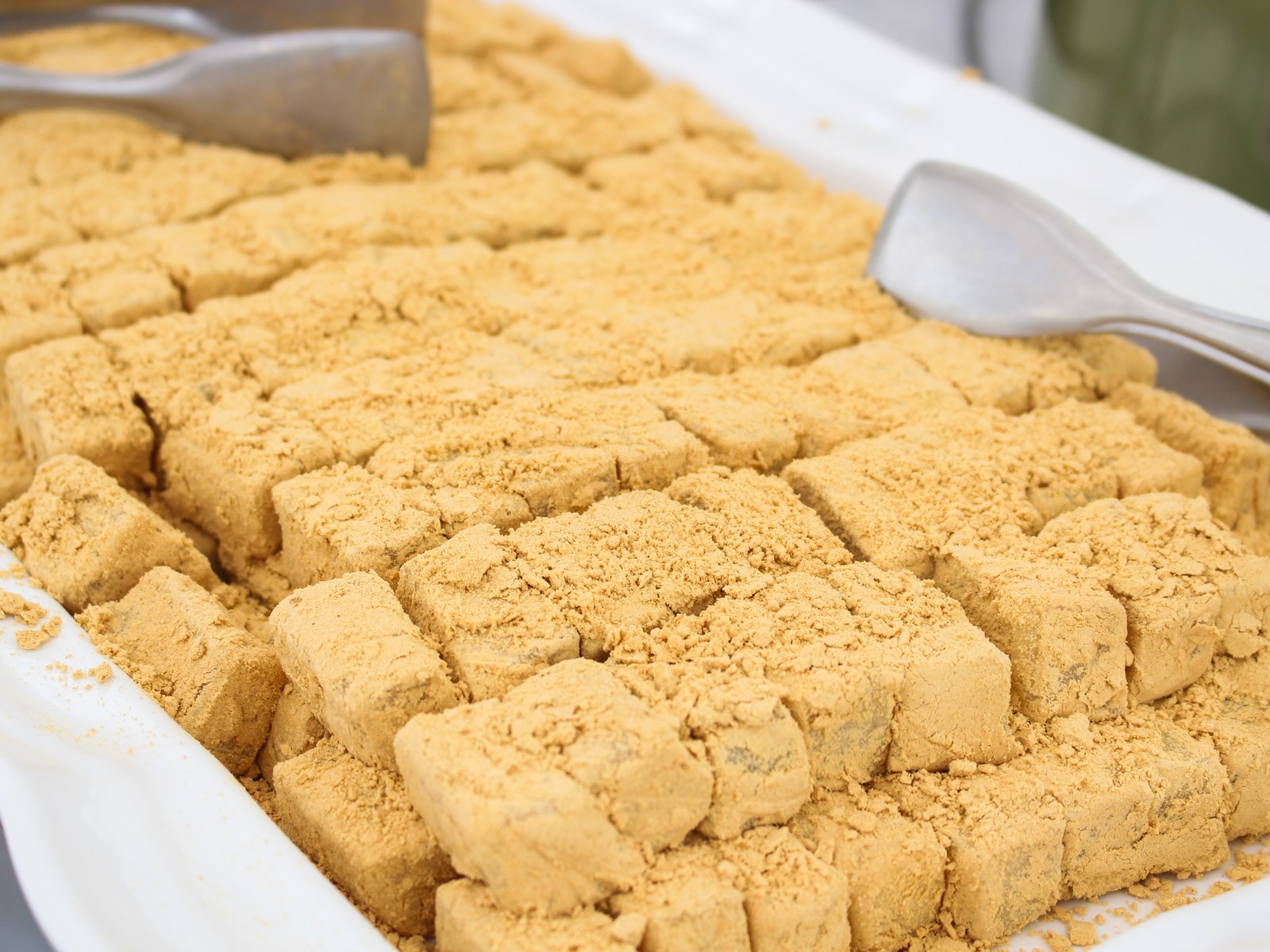
The National Folk Museum describes injeolmi as steamed glutinous rice, pounded and coated with soybean powder.
In a Korean Food Promotion Institute interview, reconstruction researcher Ji Myeong-sun describes the book’s hwabyeong as injeolmi topped with fine strips of cooked egg and chilli and green soybean powder, a more elaborate look than many would expect of an old rice cake. The photographed soybean-coated injeolmi is a comparison image, not a reconstruction of hwabyeong.
Sujeonggwa without cinnamon
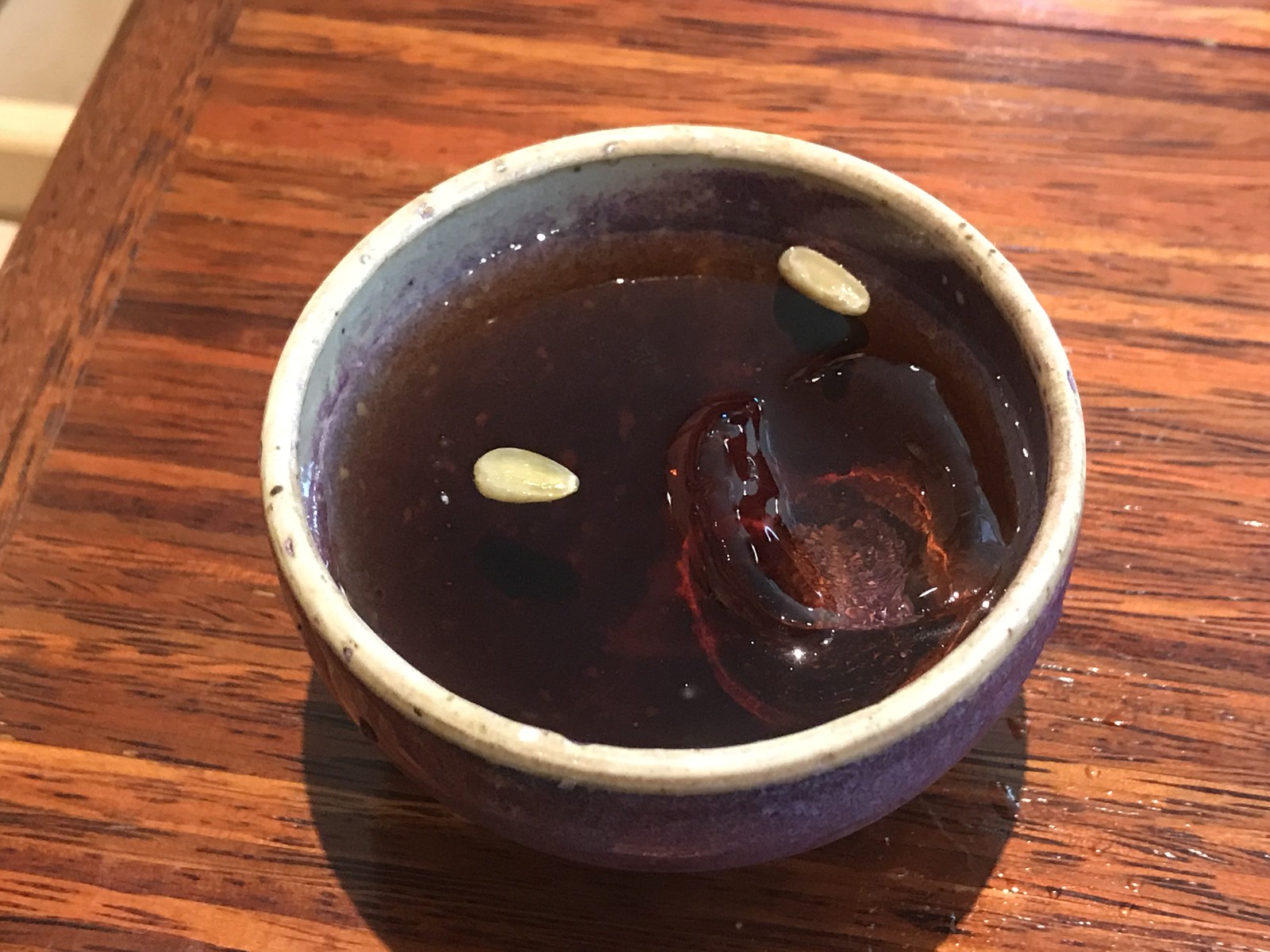
The National Folk Museum describes today’s sujeonggwa as a ginger-and-cinnamon infusion sweetened with honey or sugar and served with dried persimmons.
Ji’s account of the historical version describes dried persimmons steeped overnight in honey water instead. Boiling spices for aroma and steeping fruit are different methods under the same name. This is a historical description, not a home recipe with quantities and storage instructions. The photographed drink has not been identified as a reconstruction of the manuscript recipe.
Buckwheat dumpling wrappers
According to the Traditional Culture Portal, Banchandeungsok’s dumplings use buckwheat-flour wrappers filled with meat, cabbage and soybean pulp, then boiled. The National Folk Museum’s description of mandutguk, or dumpling soup, uses wheat-flour wrappers and tofu. Soybean pulp and tofu are distinct ingredients.
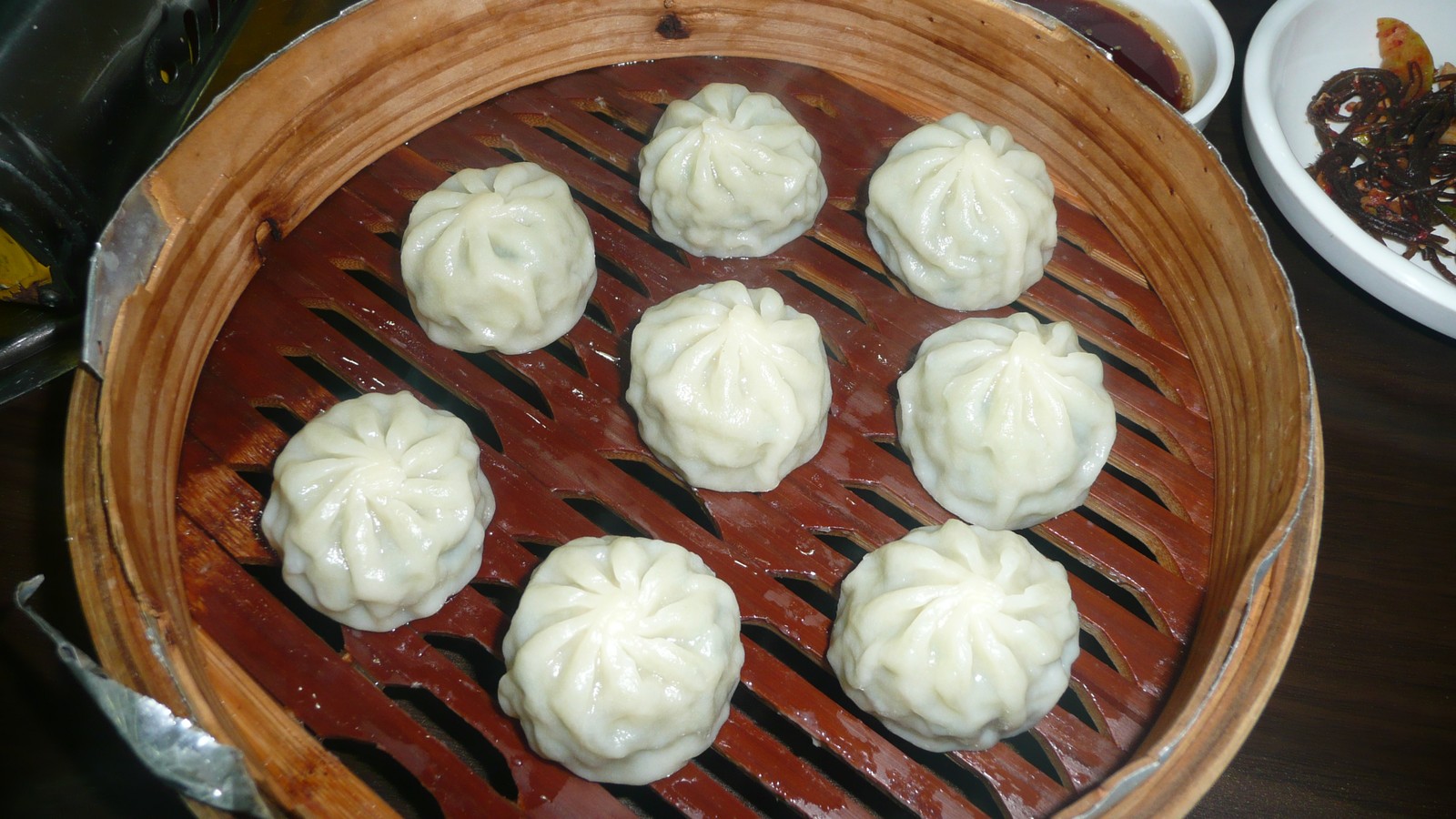
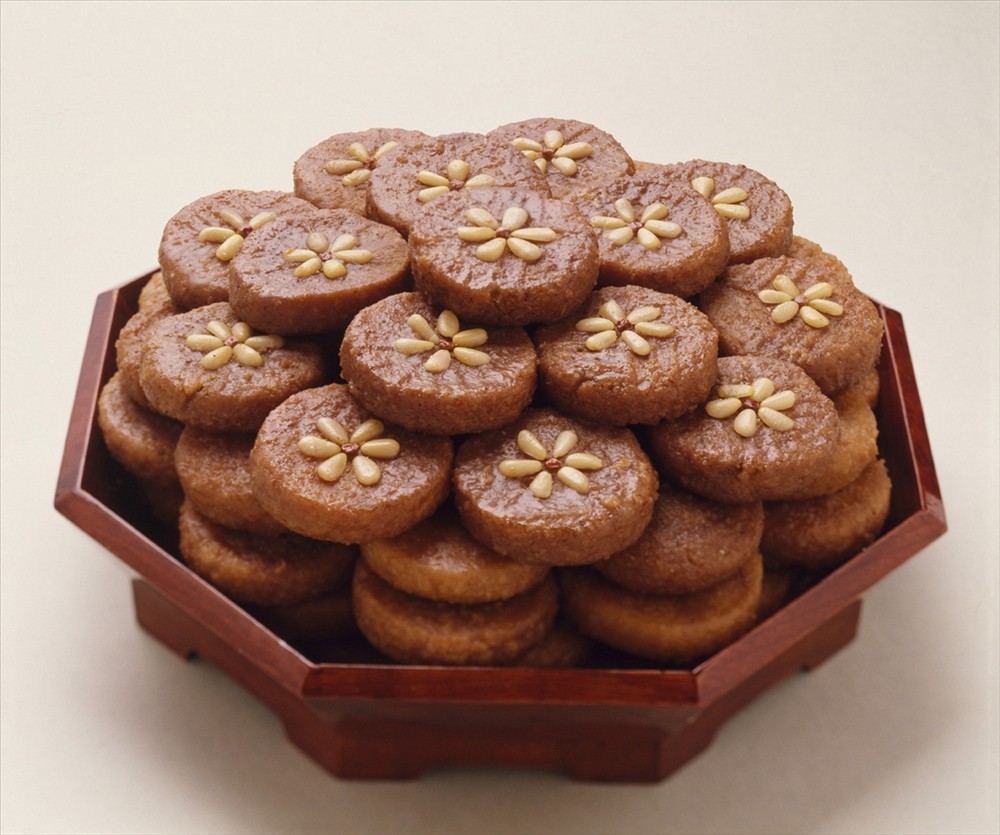
The photographs of steamed mandu and yakgwa illustrate Korean food culture generally. They do not show the book’s buckwheat dumplings or the festival’s refreshment table.
Festival details
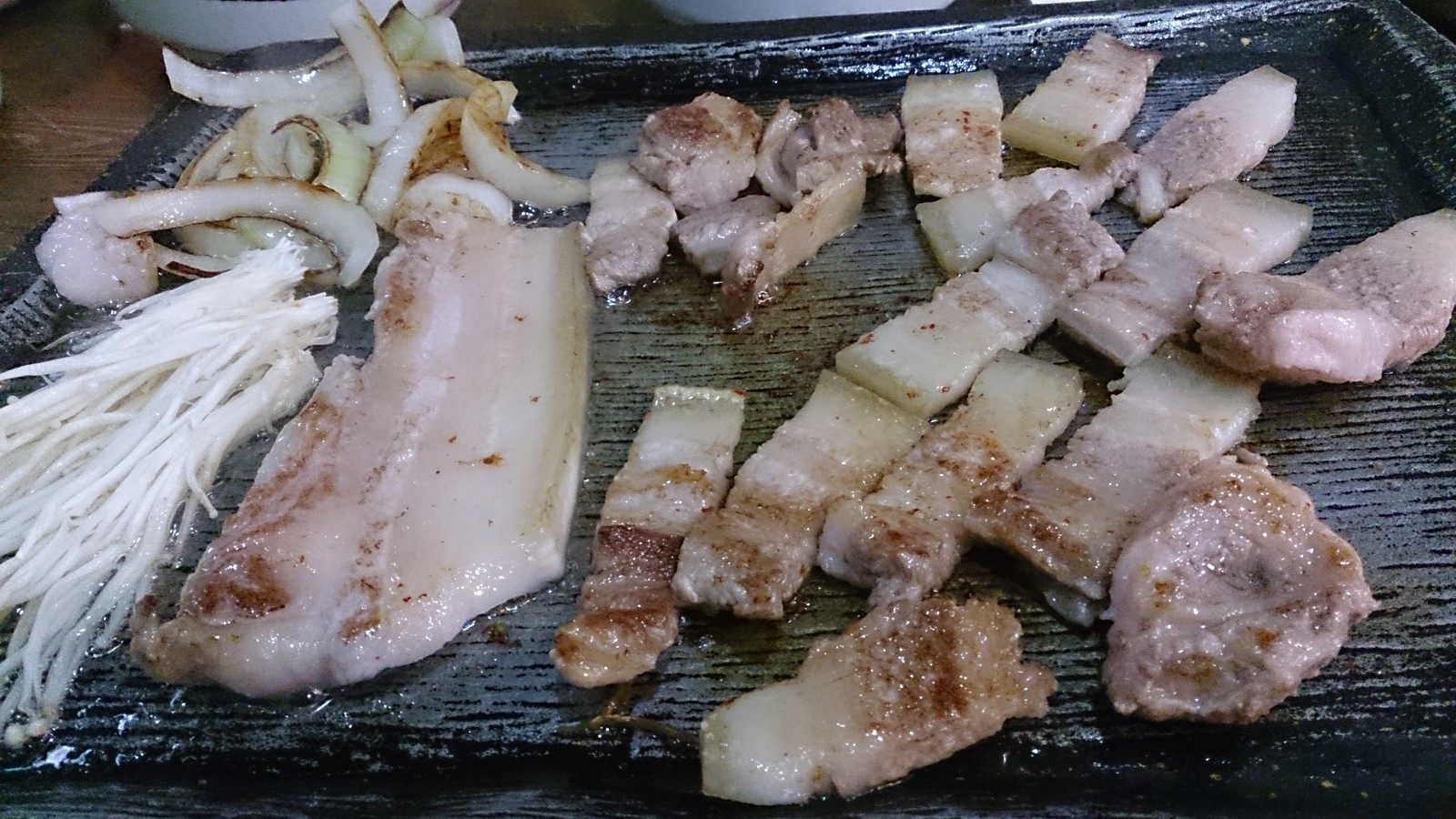
The festival’s theme celebrates food and drink made in Cheongju. The city lists Cheongju-style samgyeopsal pork belly, jjageuli stew, local restaurants, traditional alcohol and craft beer, along with tastings and an evaluation event for traditional drinks.
The dates are Saturday 31 October and Sunday 1 November 2026, at the Culture Factory lawn plaza, 314 Sangdang-ro, Cheongwon-gu, Cheongju. The 12 October announcement did not give each activity’s dishes, session times, booking method or charges; the city’s official updates will carry those details.
Sources & context
2026-10-13T10:32:58.466Z
Cheongju City ↗Cheongju City ↗Cheongju City ↗National Folk Museum of Korea ↗National Folk Museum of Korea ↗DOI 10.17495/easdl.2015.8.25.4.574 ↗hansik.or.kr ↗hansik.or.kr ↗National Folk Museum of Korea ↗National Folk Museum of Korea ↗National Folk Museum of Korea ↗kculture.or.kr ↗Newsis ↗lazy fri13th, “Kkakdugi.jpg”, Wikimedia Commons · individual photo license ↗Katsumi funami, “Cucumber kimchi on plate.jpg”, Wikimedia Commons · individual photo license ↗ally j, “Injeolmi.jpg”, Wikimedia Commons · individual photo license ↗lazy fri13th, “Sujeonggwa.jpg”, Wikimedia Commons · individual photo license ↗Brücke-Osteuropa, “Mandu.jpg”, Wikimedia Commons · individual photo license ↗Korea.net / Korean Culture and Information Service, “KOCIS yakgwa, honey cookies (4646996556).jpg”, Wikimedia Commons · individual photo license ↗ProjectManhattan, “Samgyeopsal.jpg”, Wikimedia Commons · individual photo license ↗Creative Commons · applicable photograph license ↗Creative Commons · applicable photograph license ↗Creative Commons · applicable photograph license ↗Creative Commons · applicable photograph license ↗Kkakdugi, 12 October 2018. A modern radish-kimchi illustration, not a reconstruction of the book’s croaker recipe or a confirmed festival dish. Photo: lazy fri13th, “Kkakdugi.jpg”, Wikimedia Commons / CC BY 2.0. Proportionally resized and JPEG-encoded. The card uses a centred crop; enlarge to see the full supplied image.
Cucumber kimchi identified as Yoshida Kimchi, photographed in Japan on 26 October 2012. A modern comparison, not the historical croaker recipe or food at the Cheongju event. Photo: Katsumi funami, “Cucumber kimchi on plate.jpg”, Wikimedia Commons / CC BY-SA 3.0. Proportionally resized and JPEG-encoded. The card uses a centred crop; enlarge to see the full supplied image.
Soybean-coated injeolmi, 18 March 2018. A modern rice-cake comparison, not hwabyeong reconstructed with egg and chilli strips. Photo: ally j, “Injeolmi.jpg”, Wikimedia Commons / CC0 1.0. Proportionally resized and JPEG-encoded. The card uses a centred crop; enlarge to see the full supplied image.
Sujeonggwa, 27 June 2019, described by its source as cinnamon punch. Not the book’s honey-water reconstruction or a confirmed festival drink. Photo: lazy fri13th, “Sujeonggwa.jpg”, Wikimedia Commons / CC BY 2.0. Proportionally resized and JPEG-encoded. The card uses a centred crop; enlarge to see the full supplied image.
Meat-filled mandu at a restaurant in Daejeon, 7 June 2011. A Korean-dumpling illustration, not the book’s buckwheat-and-soy-pulp reconstruction or a participating festival restaurant. Photo: Brücke-Osteuropa, “Mandu.jpg”, Wikimedia Commons / CC0 1.0. Proportionally resized and JPEG-encoded. The card uses a centred crop; enlarge to see the full supplied image.
A bowl of yakgwa; source dated 28 May 2010. An illustration of Korean tea sweets, not a reconstruction from the cookbook or the festival’s refreshment table. Photo: Korea.net / Korean Culture and Information Service, “KOCIS yakgwa, honey cookies (4646996556).jpg”, Wikimedia Commons / CC BY-SA 2.0. JPEG re-encoded at the original pixel dimensions. The card uses a centred crop; enlarge to see the full supplied image.
Samgyeopsal on a grill, 9 August 2014. A general Korean-food illustration, not verified Cheongju-style preparation, the 2026 festival or a participating vendor. Photo: ProjectManhattan, “Samgyeopsal.jpg”, Wikimedia Commons / CC BY-SA 3.0. Proportionally resized and JPEG-encoded. The card uses a centred crop; enlarge to see the full supplied image.
The seven photographs show real modern examples of Korean food. They do not document reconstructed 1913 recipes, the 2026 event or confirmed festival menus. Each caption identifies context and reuse conditions.