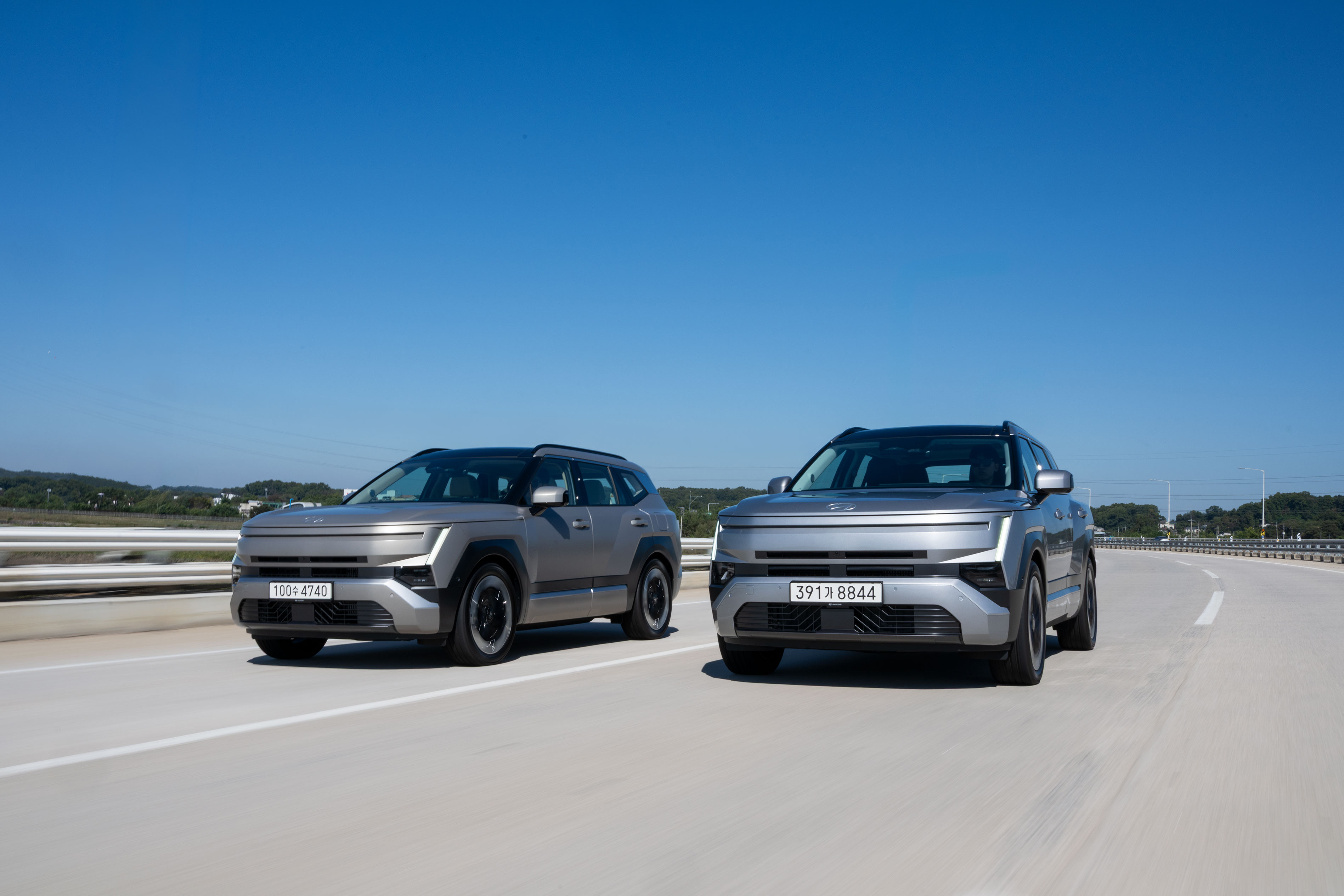
Hyundai released technical details on October 11 about how the steel body panels of the new Tucson are formed, including its long hood and deeply contoured side panels. The actual parts are on display at Hyundai Motorstudio Goyang through October 25.
Forming the hood
At an October 7–8 event in Goyang, Hyundai presented the development of the fifth-generation Tucson. The company says the long hood must form its central area and raised sides in a single panel, and that steel which will not remain in the finished part also helps shape the surface.
Forming a convex shape in surplus areas that are later cut away keeps neighbouring areas prone to waviness from touching the die too early. Hyundai says this reduces unwanted surface undulations as the hood takes shape.
Forming the side panels
The side outer panel must create a deep contour around the rear wheel without wrinkling or cracking the steel. Hyundai says it first forms an intermediate shape, then refines the complex contour in two further forming stages.
Rear doors open to 83 degrees
According to Hyundai’s October 11 release, the rear-door opening angle has widened from 73 degrees in the previous generation to 83 degrees. The company uses wide-opening hinges to make getting into and out of the back seats easier.
Goyang display
The hood and side outer panel display runs at Hyundai Motorstudio Goyang through October 25. The official venue page lists general hours of 9 a.m.–8 p.m., closed Mondays. Access conditions and hours for the special display are in the official Goyang information under Sources & context below.
Seoul has topped the Best Big Cities category in the U.S. edition of Condé Nast Traveler’s 2026 Readers’ Choice Awards, rising four places from fifth last year to win the category for the first time.
Seoul, Tokyo and Phnom Penh lead
Condé Nast Traveler released its 2026 results on October 6, U.S. time, and the Seoul Metropolitan Government announced the result on October 8. Tokyo and Phnom Penh placed second and third, followed by Shanghai and Sydney.
Decided by readers
The 39th Readers’ Choice Awards drew 798,867 votes across all categories, including cities, hotels and resorts. That figure is the overall total, not Seoul’s vote count. Seoul placed fifth last year.
Related interview
On October 8, YTN Radio interviewed the head of the Seoul Tourism Organization about the award and tourism in the city. The Korean-language interview is available at the official source link below.
South Korea has decided to recall its ambassador to Ukraine, the foreign ministry announced October 8, adding that it would continue talks with Kyiv on bilateral issues.
Ministry announcement
The Ministry of Foreign Affairs announced the decision in an October 8 statement issued by its Korean Peninsula Policy and European Affairs bureaus.
Talks to continue
The government said it hoped outstanding bilateral issues could be resolved amicably and that it would continue consultations with Ukraine. The statement did not say when the ambassador would return home or whether he would later resume the post.
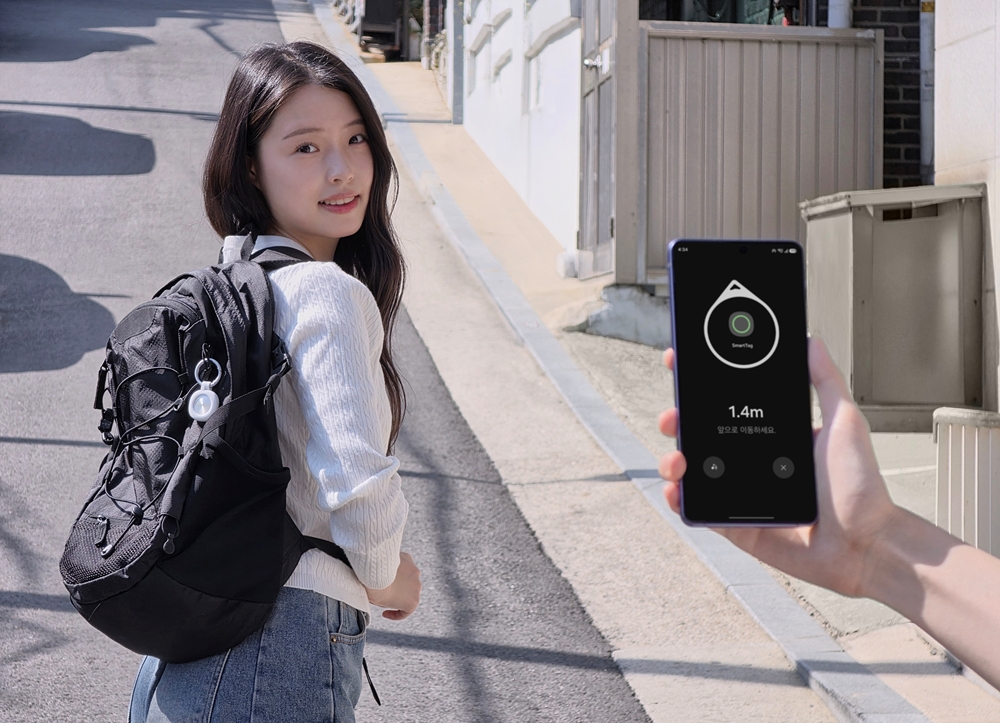
Samsung Electronics launched the Galaxy SmartTag3 item tracker in South Korea on October 7, with support for viewing and sharing a tag’s location on iOS devices.
Prices and colors
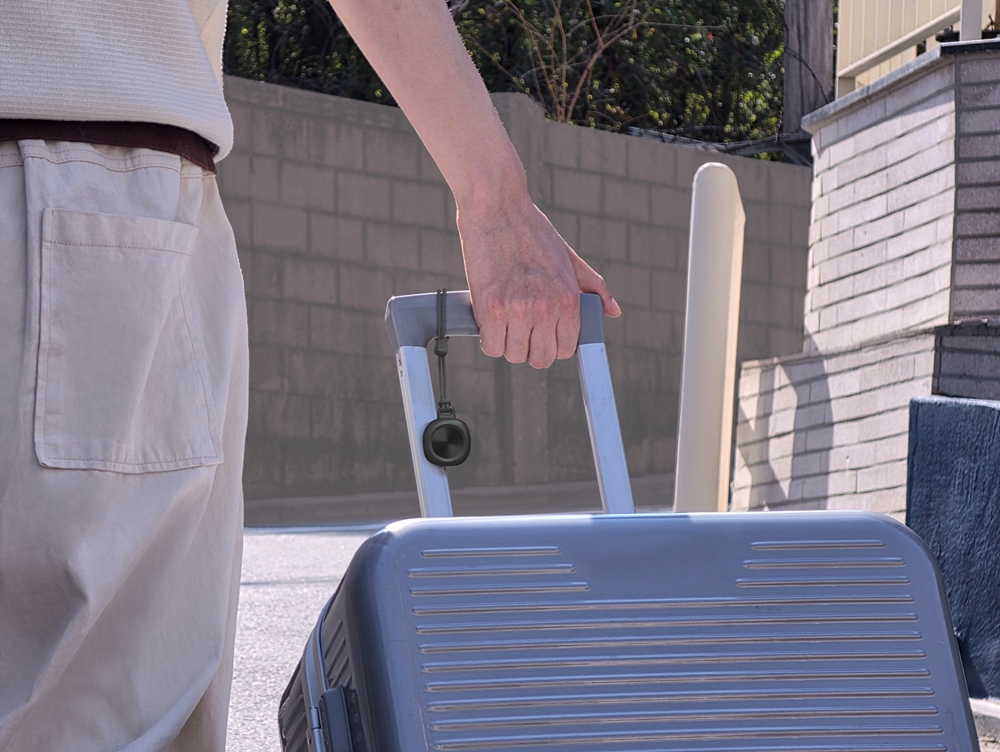
The SmartTag3 attaches to belongings such as keys or bags. Samsung says iOS users can also view and share a tag’s location.
Launch prices are KRW 44,000 for one tag or KRW 149,600 for a four-pack, in white or black.
Feature availability
Compass View shows direction and distance from up to 60m away, depending on surroundings. Samsung lists the Galaxy Z Fold8 Ultra, Z Fold8, S26 Ultra and S26+ as supported models. Not every finding feature works the same way on iPhone.
Apartment complexes subject to mandatory management in South Korea began a voluntary program in October to collect milk cartons, aseptic drink cartons and other beverage cartons separately, keeping them out of bins for newspapers and cardboard.
Who it covers
The program covers complexes with 300 or more households and other properties under mandatory management. It is not an obligation for every type of home.
The Korea Housing Managers Association has asked building managers to provide dedicated carton bags or bins and signs. Management offices set each complex’s collection point.
How to sort
The environment ministry’s October 7 guidance says ordinary milk cartons should be emptied, rinsed and flattened. Aseptic cartons used for drinks such as juice and soy milk should be cut open first, then emptied, rinsed and flattened.
Both types go into the designated carton bin or bag.
Planned requirement in 2027
The government says it plans to make carton separation mandatory at the targeted housing from January 1, 2027, after amending the relevant guideline. Public comments on the draft are due by October 14.
The current phase is voluntary; the requirement depends on the guideline revision.
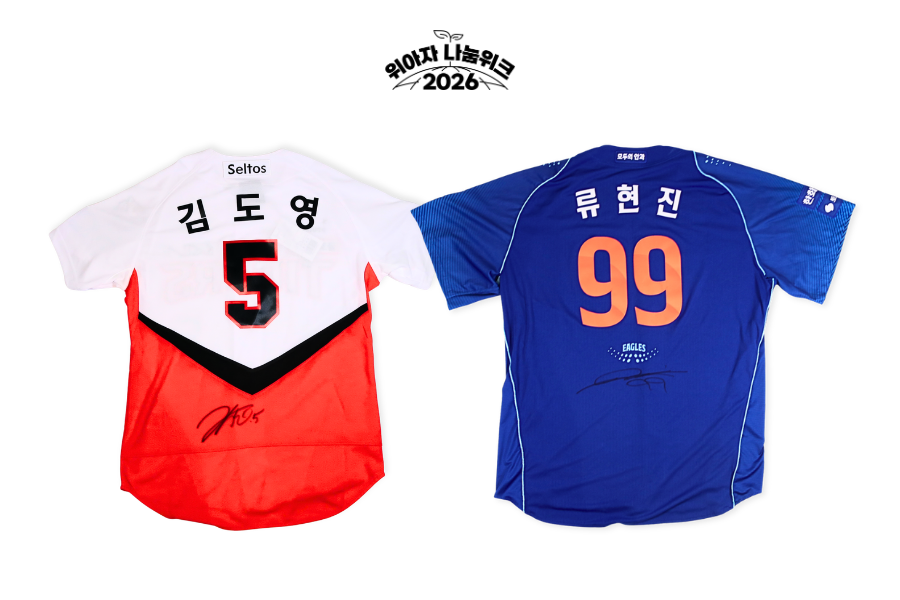
Signed uniforms from Kim Do-yeong and Ryu Hyun-jin will be offered at Wiaja’s charity shop, running online October 22–28. WeStart announced donated items from baseball, basketball and volleyball players and the raffle and auction schedule on October 8.
Raffle items
Ryu donated a Summer Blue uniform he wore while pitching at a Daejeon home game this summer. Signed uniforms from Kim, Heo Ung and Heo Hoon are also in the online raffle.
The release identifies only Ryu’s uniform as game-worn; it does not say whether the others were worn in games.
Auction items
The Seoul Auction online sale includes signed bats from Yang Eui-ji and Kim Hyun-soo, a three-ball set signed by Lee Sang-min, Heo Ung and Heo Hoon, and a championship T-shirt signed by the GS Caltex Seoul KIXX squad. Yang’s bat was used in a Jamsil home game.
Schedule and beneficiaries
Advance notification sign-ups close October 15, with item and participation details released in stages. The raffle is a drawing, so entry does not guarantee an item.
Organizers say all sales donations will fund emotional, living and meal support for low-income children and teenagers and young people leaving care.
Samsung Electronics on October 8 estimated its third-quarter 2026 consolidated sales at KRW 195 trillion and operating profit at KRW 107.4 trillion. The figures are preliminary.
Quarter-on-quarter and year-on-year
The company said sales rose 13.70% and operating profit 20.01% from the previous quarter. From a year earlier, they rose 126.59% and 782.50%, respectively.
The estimates follow Korean-adopted IFRS, and the accounts have not been finalized.
Earnings call Oct. 29
Samsung’s investor-relations calendar lists the third-quarter earnings call for October 29 at 10 a.m. KST. The preliminary release does not break results down by division.
The photo of Suwon Digital City is a file image provided by Samsung.
South Korea posted a current-account surplus of $46.11 billion in August 2026, according to preliminary Bank of Korea data released October 8. A large goods surplus outweighed a deficit in services.
Goods and services
On a balance-of-payments basis, goods exports were $104.80 billion and imports $57.99 billion, for a goods surplus of $46.81 billion. Exports rose 82.1% from a year earlier and imports 23.8%.
The services account showed a $1.68 billion deficit, driven mainly by other business services and travel.
Income accounts and methodology
The primary income account showed a $1.92 billion surplus, and secondary income a $0.94 billion deficit. The figures are preliminary data for August.
The BOK records goods trade by change of ownership, so its figures differ from customs-based trade statistics.
BOK’s historic former main building and Money Museum, photographed January 3, 2007; not the statistics briefing venue. Kaflan / Wikimedia Commons, public domain.
Seoul will close Jamsu Bridge to all vehicles from midnight KST on October 26 as work begins to turn it into a pedestrian-focused space. Under the plan announced October 8, the vehicle ban will remain after construction ends.
Pedestrians and cyclists
Pedestrians and cyclists can initially use a path separated from the work zone. During paving between May and August 2027, however, the bridge will also close to them for about a month and a half.
The city plans to direct them to Banpo Bridge during that period. Exact dates will be announced later.
Bus diversions and closed stops
Bus routes 740 and 405, which crossed Jamsu Bridge, will be rerouted over Banpo Bridge in both directions. The two Banpo Hangang Park–Sebitseom stops will close, and passengers are directed to the nearby Banpo Bridge South End–Hangang Citizens Park Entrance stops.
August 2027 completion target
The city plans to finish expanding and paving the pedestrian deck by August 2027 and to add 22 viewing areas. The photograph is an archival image of Jamsu and Banpo bridges taken in 2009.
Jamsu Bridge beneath Banpo Bridge at night, photographed on October 31, 2009. Archival view, not the 2026 construction site or completed project. Photo: Shiwon Cho, CC BY-SA 2.0.
Lotte beat LG 9–1 at Sajik on October 9. KIA and SSG won the day’s other KBO games.
Friday’s results
According to KBO’s official records, KIA beat NC 7–2 in Changwon and SSG beat Samsung 3–1 in Munhak.
Saturday’s schedule
On October 10, LG plays Lotte at Sajik at 2 p.m., and NC–Hanwha in Daejeon and SSG–KIA in Gwangju start at 5 p.m. All times are KST; any changes are posted on KBO’s official schedule.
The Seoul Race on October 11 will bring traffic restrictions around Namdaemun-ro, Eulji-ro and Cheonggyecheon-ro in central Seoul.
Restrictions 5:30–11:10 a.m.
The city announced controls from 5:30 a.m. to 11:10 a.m. Start and reopening times, and whether closures are full or partial, vary by segment; not every listed road is closed for the whole period.
Race and bus diversions
The half-marathon and 11 km races start at Seoul Plaza at 7:30 a.m. KST. Buses crossing the city center will be diverted, and the race organizer provides detailed route information.
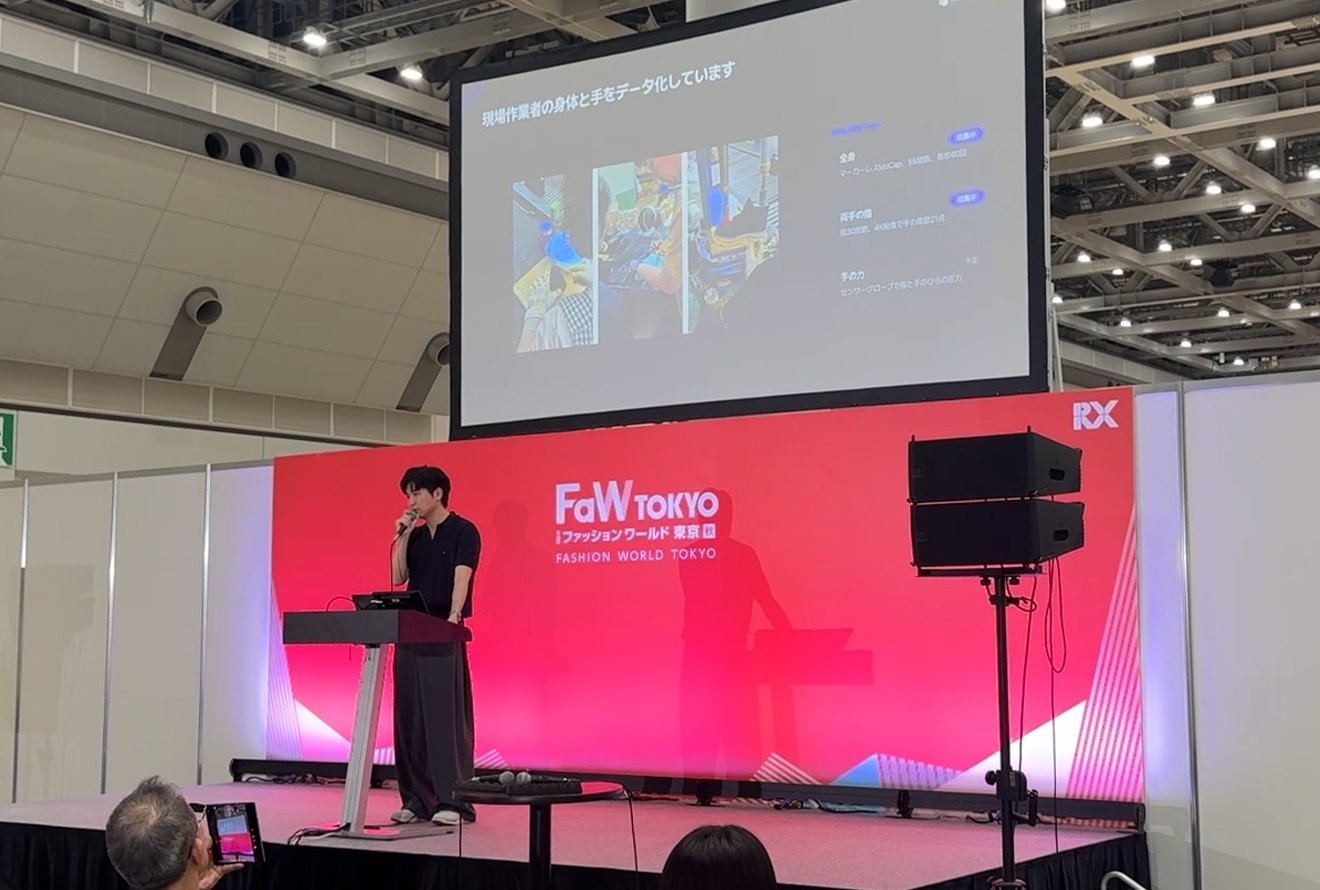
RebuilderAI presented its approach to turning AI-generated designs into manufactured products at Fashion World Tokyo (FaW TOKYO) at Tokyo Big Sight on October 7. In an October 8 announcement, the company described a session held with ASICS and its VRINGON solution.
From design to production data
The company used footwear as its example. After a design is drafted, production still requires lasts, the forms that shape a shoe, along with 3D design, patterns and manufacturing specifications.
RebuilderAI explained how it generates data suited to each use, such as CAD files for moulds and mesh data for 3D printing.
Capturing factory work
RebuilderAI says it is collecting workers’ body and finger movements in real factories and building a system that links them to product IDs, designs, materials and quality results. Recording the force applied by workers’ hands is a future plan. The company did not claim that fully autonomous manufacturing is already in operation.