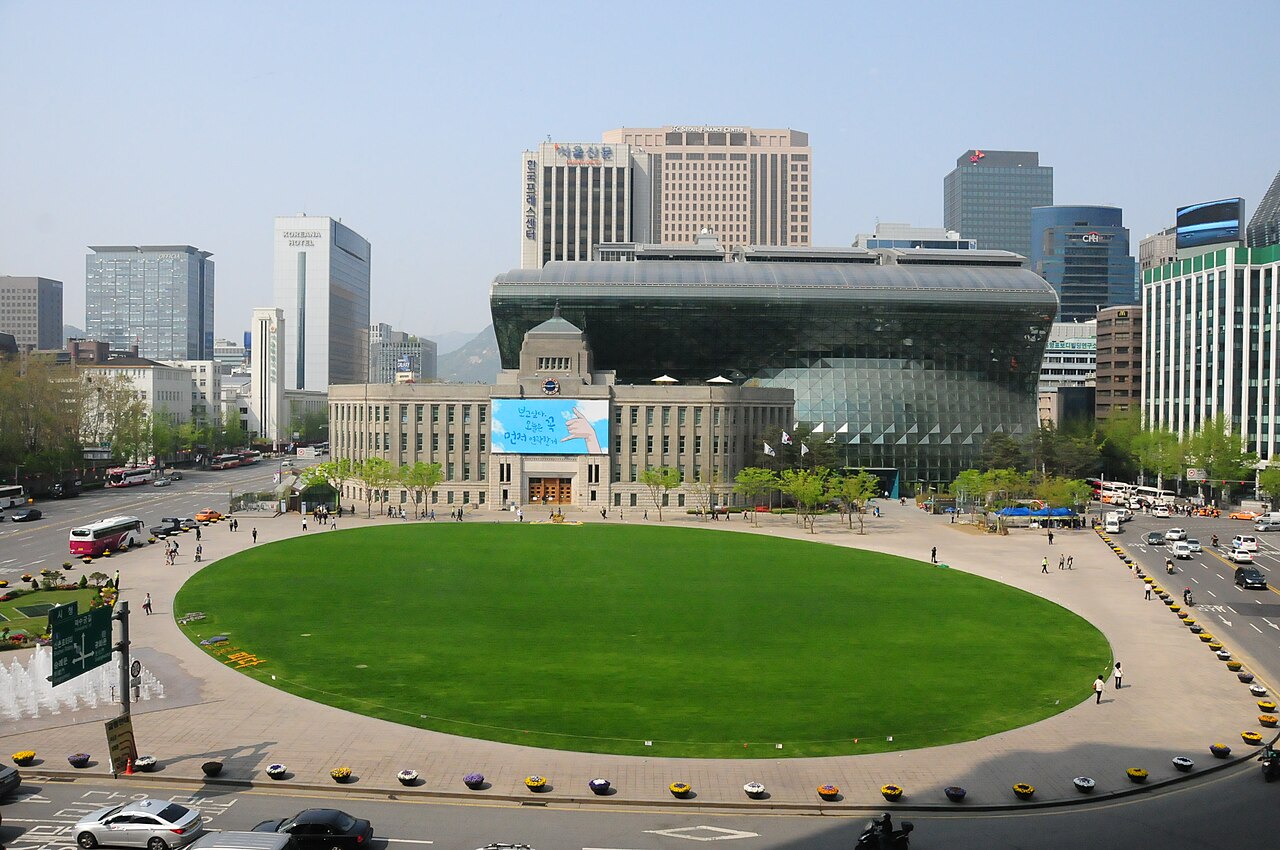
The Seoul city government is holding the Seoul Global Art Night with Receipt Concert at Seoul Plaza on Oct. 16 and 17. Both nights start at 6 p.m. and admission is free. Visitors with receipts from Seoul small businesses get seats near the stage.
Receipt seating
Receipts from small businesses in Seoul, dated this October, must total at least 30,000 won. Several receipts can be combined, and they are checked at an on-site booth on the day.
Verified visitors sit in the front “Sangsaeng Zone.” Those without receipts can still watch for free but are seated in a different area.
Friday, Oct. 16
The traditional music stage “Pungnyu Seoul” features Kim Su-in, Ko Young-yeol, Yoo Tae-pyeong-yang and Lee Bong-geun.
The pop stage “Soul Seoul” features Lee Mu-jin, Kassy, Gummy and Kim Kwang-jin.
Saturday, Oct. 17
The 2026 K-Pop Cover Dance Festival World Final takes place, with finalist teams from 13 countries.
A street dance show, “Seoul Street Wave,” follows. A booth showcasing small and medium-sized business products chosen by the Ministry of SMEs and Startups will also operate.
Purpose
Seoul officials say they want the event to bring customers to restaurants, cafes and shops around City Hall and to build night-time cultural tourism. Min Su-hong, head of the city’s Culture Headquarters, said the city aims to turn rich cultural experiences into a livelier night economy.
Reports did not describe a separate process for foreign visitors. The receipt check is the only seating rule announced.
The 2026 Nowon Moonlight Walk: New Moon opened on the 16th along Danghyeoncheon stream in Seoul’s Nowon District. It runs 24 days through Nov. 8, daily from 5:30 p.m. to 10 p.m., and the Seoul culture calendar lists it as free.
Dates and route
Nowon District is holding the seventh edition of the public-art light festival along a 1.3-kilometer stretch of Danghyeoncheon, from Danghyeon 1 Bridge near Junggye Station to Yangji Bridge.
It opened with a lighting ceremony at Danghyeon-maru on the 16th and continues until Nov. 8.
Artworks
Twenty-four Korean artist teams are showing more than 30 works under the theme “New Moon.”
Gadget Workshop’s “Pulse of the Earth” stands at the stream’s floor-fountain plaza, and “Moon Gate” is at Yangji Bridge. Works by Kim Chang-gyeom, Eom Hyeok-yong and Lee Gil-rae are also on show.
Programs
Weekend performances are scheduled, along with moonlight tours led by resident guides. Tailored guided programs are offered for groups and visitors with disabilities.
“Pulse of the Earth” becomes a pop-up playground on the 20th, 22nd and 29th.
Visitor notes
Nowon District says about 1.32 million people visited last year. The Seoul culture calendar lists this year’s admission as free.
Hours and some programs may change, so check the Seoul culture calendar and Nowon District notices.
The 25th Seoul Silver Grass Festival runs from Saturday, Oct. 17, to Oct. 23 at Haneul Park in Seoul. It is open daily from 10 a.m. to 9 p.m., and admission is free.
Dates and venue
The Seoul Metropolitan Government said the festival will take place around Haneul Park in World Cup Park from Oct. 17 to 23. This year’s theme is “Silver grass, nature’s comfort.”
Hours are 10 a.m. to 9 p.m. daily. FT Sports reported that an opening ceremony and celebration performance are scheduled for 6 p.m. on Oct. 17.
What is on
According to Fun Seoul, the opening ceremony includes a lighting show and a celebration performance. A busking zone at the central stage hosts acts from different genres.
There is also an activity zone with hands-on programs such as making silver grass bouquets, photo spots and a wish zone where visitors write and hang wishes. A “Re-born” market sells upcycled goods and silver grass products.
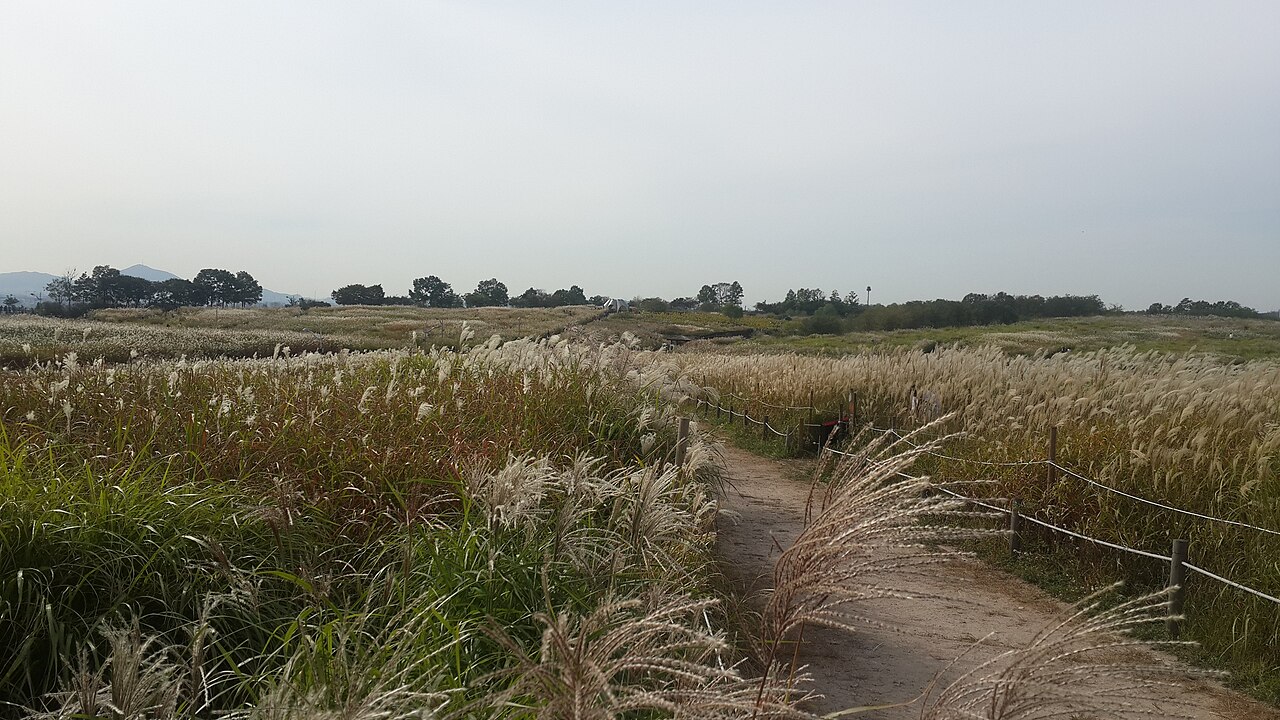
A dirt path crossing the silver grass beside a rope fence
Getting there
Seoul advises taking Line 6 to World Cup Stadium Station or Mapo-gu Office Station and walking up, about 40 minutes.
The Maenggongi electric car leaves from the Nanjicheon Park parking lot. FT Sports reported a round-trip fare of 3,000 won for adults and 2,200 won for children. The city urged visitors to use public transport because of congestion.
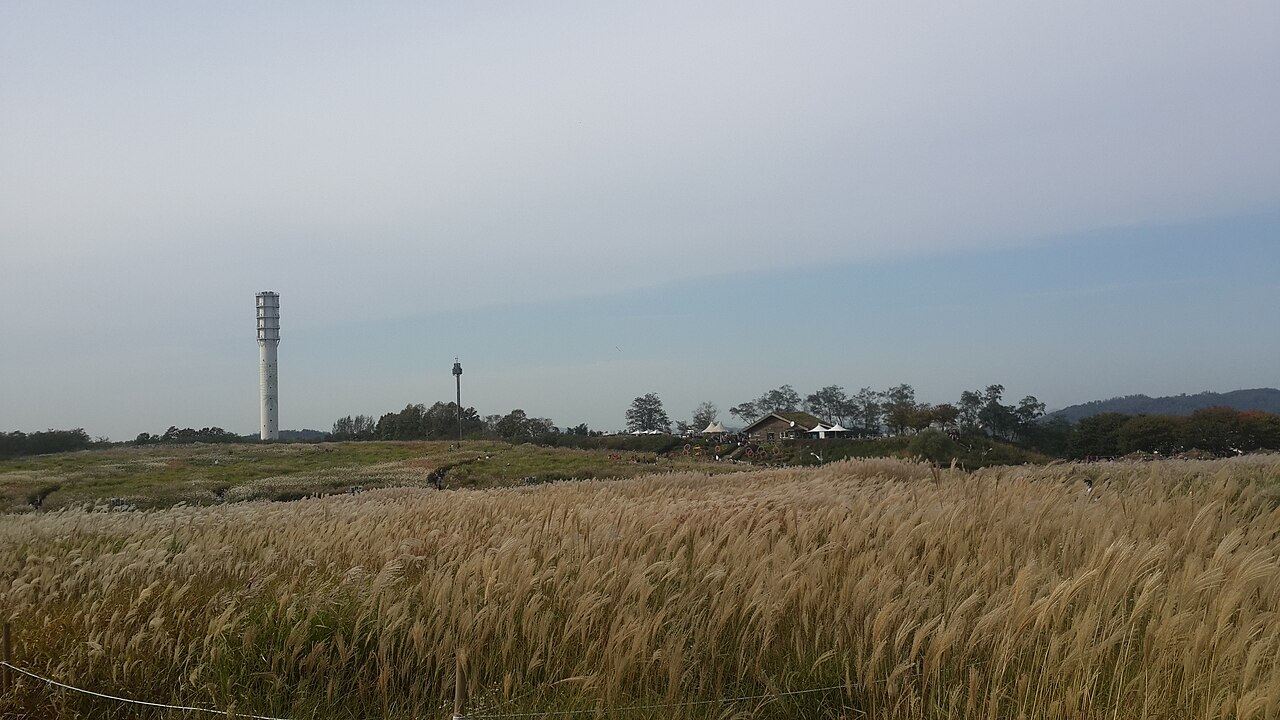
Stands of silver grass with silvery plumes against distant hills
Driving and inquiries
FT Sports reported that Nanjicheon Park Parking Lot 1 is closest to the electric car ticket booth. Parking fees differ between sources, so follow on-site notices.
Inquiries go to the Seobu Park Leisure Center (02-300-5574).
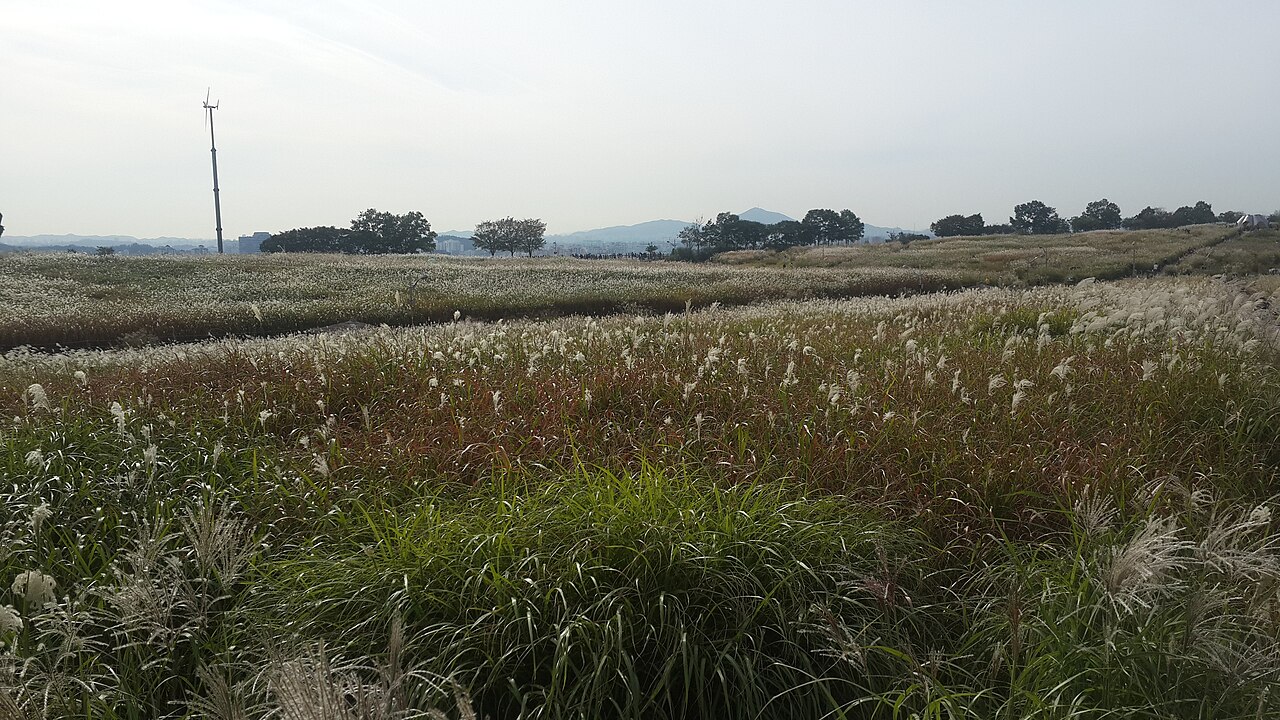
Silver grass stands at Haneul Park with ridgelines in the distance, October 2015. Archive photo, not from this year’s festival. Photo: Ji-soo Seo · CC BY-SA 4.0
The 10th Jeonpo Coffee Festival runs October 17–18 around Jeonpo Café Street in Busan’s Busanjin district, a former tool and hardware district where cafés began opening after 2010. Local cafés, booths with baristas from Japan, Taiwan and elsewhere, brewing classes and live music are on the program. Entry is free.
From tool shops to cafés
The Korea Tourism Organization describes Bujeon-dong and Jeonpo-dong as an area once known for shops selling tools, hardware and industrial supplies. Small cafés began arriving after 2010, and the area became known as Café Street.
Visit Busan notes that tool shops still operate alongside cafés and restaurants.
Dates and hours
This year’s festival, themed ‘커피로 잇는 전포의 10년’ (“ten years of Jeonpo connected by coffee”), runs October 17 and 18 around Jeonpo Café Street.
According to Busanjin-gu’s official notice, hours are noon to 8 p.m. on Saturday and noon to 6 p.m. on Sunday. The opening ceremony is at 4 p.m. on October 17 on a temporary stage beside Norimaru’s main gate. Sunday closes two hours earlier than Saturday.
The poster attached to the district notice gives the venue as Jeonpo Café Street around Jeonpo Norimaru, with the merchants’ associations of Jeonpo Café Street, Jeonpo Gongu-gil (tool street) and Jeonpo Saitgil cooperating. Busanjin-gu posted a 26-second promotional video on its official YouTube channel on October 7.
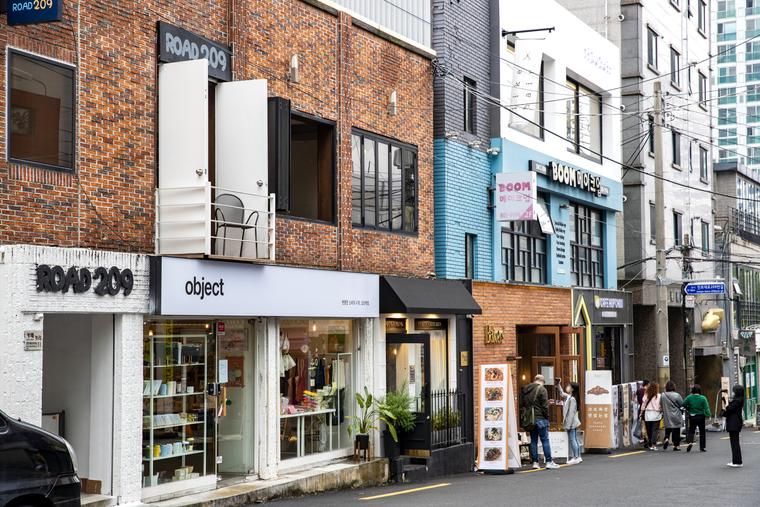
A two-storey red-brick building with a ROAD 209 sign and a homeware shop below, with people walking along the street.Busanjin-gu’s official promotional video for the 10th Jeonpo Coffee Festival (26 seconds, posted 7 October 2026). YouTube · 부산진구 ↗
Overseas and market booths
Coffee and dessert vendors from Jeonpo and the wider Busan area will be joined by booths for invited baristas from Japan, Taiwan and elsewhere. Kookje Shinmun and other outlets reported that the overseas booths will feature coffee from Japan, Taiwan, Costa Rica and Ethiopia. The district notice also lists market booths.
Origins and roasts vary by booth, and no single origin or flavor is offered everywhere; each booth’s menu lists what it serves.
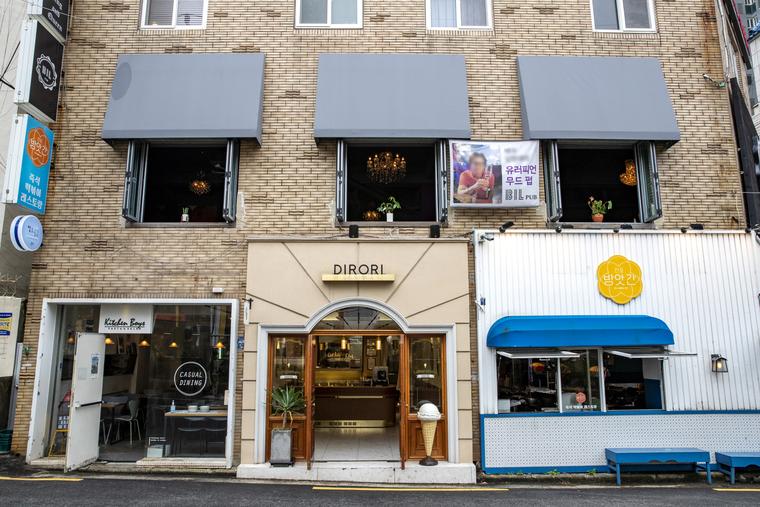
An arched shop entrance and an ice-cream model sit beneath a beige brick building, beside a storefront with a blue awning and bench.
Classes and seminars
The Korea Tourism Organization lists hand-drip sessions, master brewing classes and barista seminars in this year’s program. Its festival page, updated September 30, also lists a coffee seminar, a ‘Coffee Golden Bell’ quiz, and hands-on booths for caricatures and hand-drip brewing classes.
As of the evening of October 15, session times, fees and sign-up methods had not been posted on official channels. The festival office can confirm times, capacity and fees.
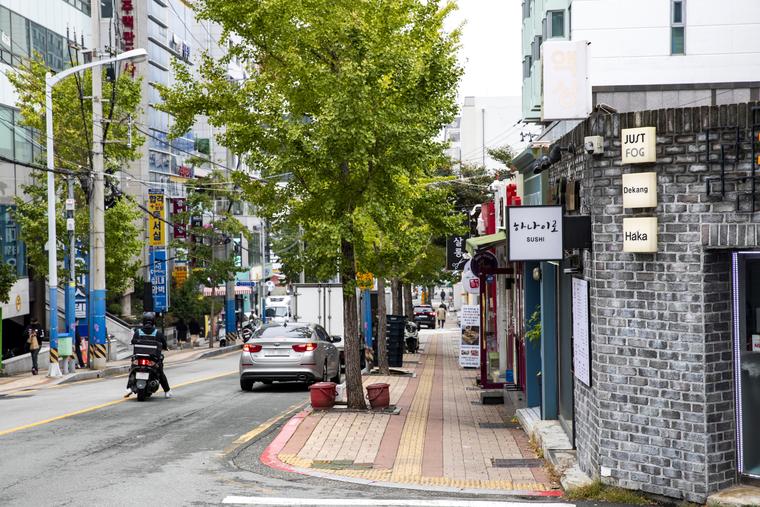
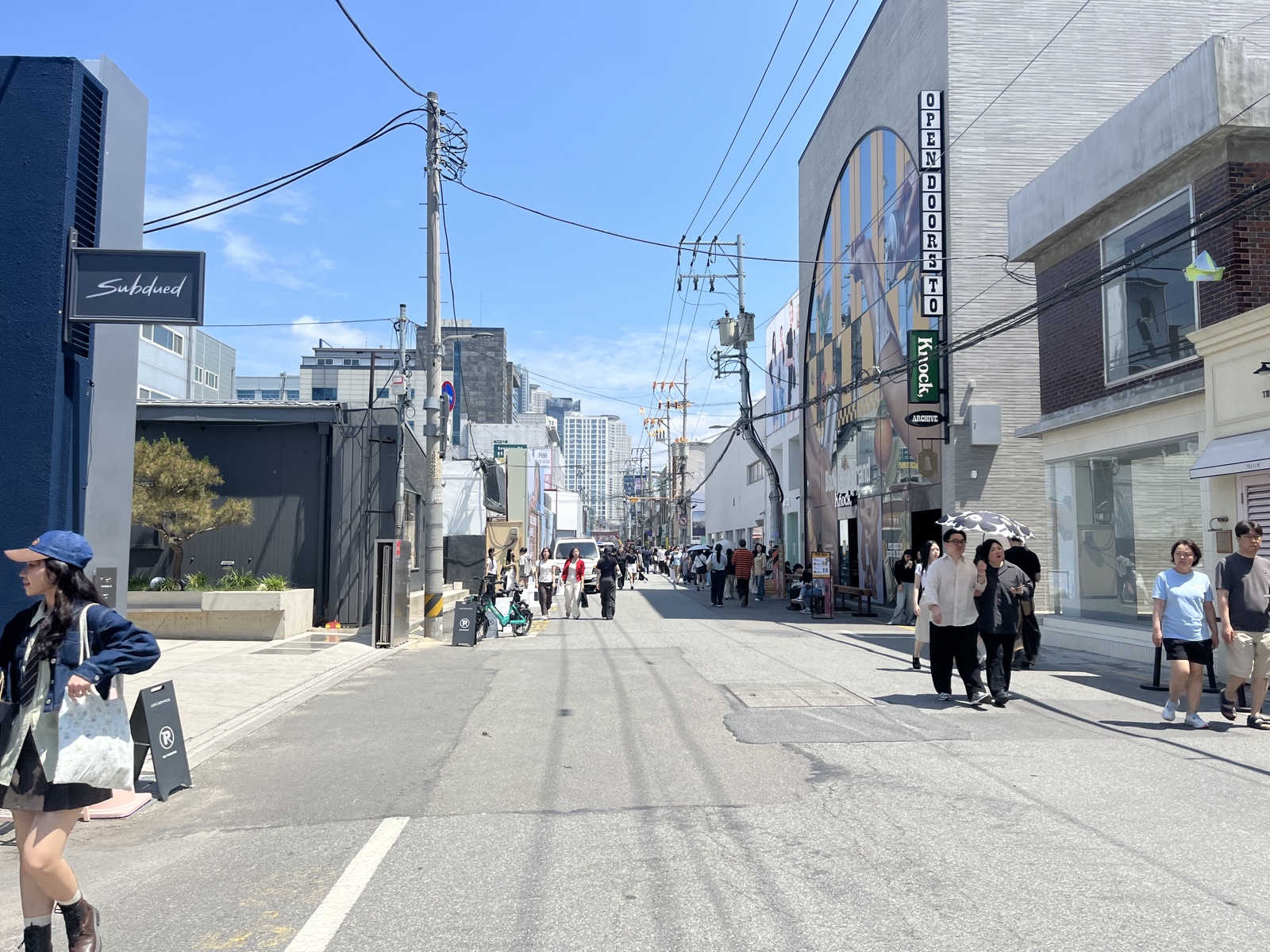
Cars pass a pavement with a ginkgo tree, beside a grey-brick shop on the right.
Music and events
Busanjin-gu has announced Jeonpo Brewing Radio, Jeonpo Live Festa and a stamp tour. Kookje Shinmun also reported a Jeonpo Music Lounge and an event using receipts from local businesses.
The district notice lists a stamp tour, a ‘Black and White Barista’ event and a roulette game, and the Korea Tourism Organization page adds an auction. Participating shops and conditions for the stamp and receipt events will be posted on site.
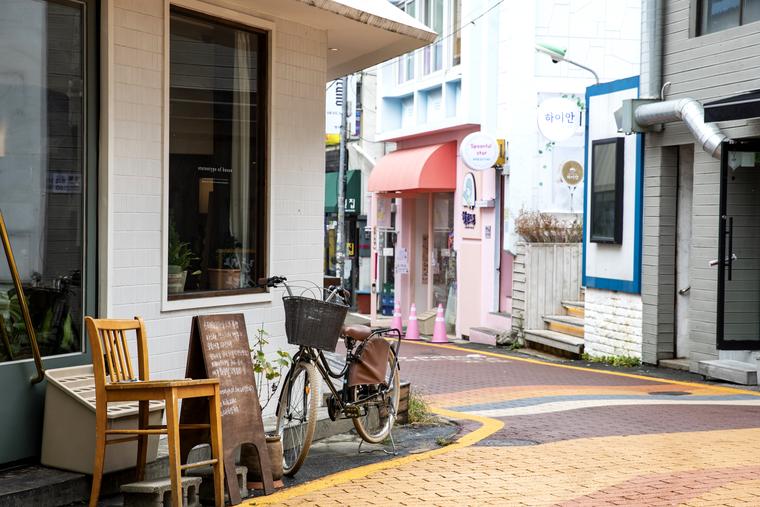
A wooden chair and a basket-equipped bicycle stand beside a shop window, opposite a pink entrance and awning.
Places nearby
Bao Haus (62-9 Seojeon-ro 38beon-gil), a MICHELIN Bib Gourmand, serves Taiwanese bao and lu rou fan and does not take reservations. Cor Pasta Bar (2F, 13 Dongseong-ro 25beon-gil), also a Bib Gourmand, serves house-made pasta at an open-kitchen counter and requires one drink per person.
Cafés featured by Visit Busan include Fruto Fruta (28 Jeonpo-daero 224beon-gil) for peach smoothies and melon shakes; Cafe Haian (62-4 Seojeon-ro 46beon-gil), known for a ‘brick cake’ cracked open with a small mallet; and Sa, Yeobaek, Chatjan (20 Seojeon-ro 67beon-gil), a café styled like an old stationery shop that serves old-fashioned patbingsu. Expect crowds and possible changes to opening hours during the festival.
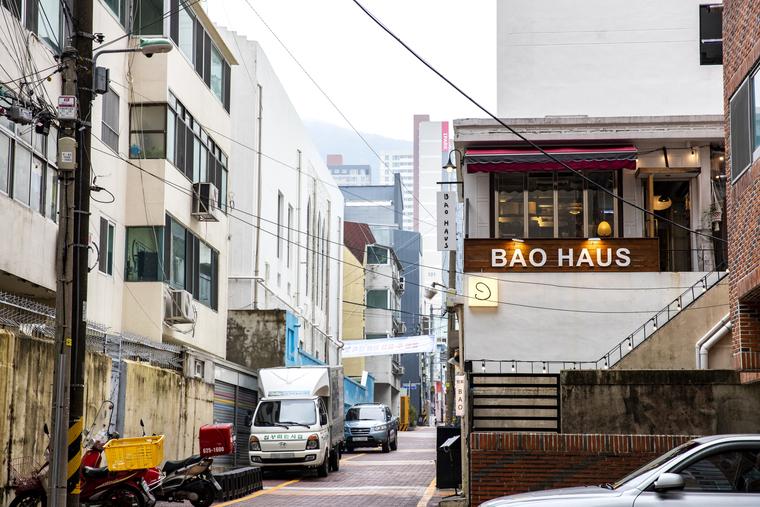
A BAO HAUS sign on the upper floor of a building on the right of a narrow lane, with a small truck parked in the lane.
Getting there and contacts
The festival covers the area around Jeonpo-daero 209beon-gil in Busanjin-gu. Visit Busan gives 26 Jeonpo-daero 209beon-gil (부산 부산진구 전포대로209번길 26) as the Café Street address, a six-minute walk from Exit 7 of Jeonpo Station on Metro Line 2.
Entry is free; drinks and desserts at booths are paid separately. The organiser, at 051-605-4522, can answer questions about class fees and booking, overseas phone numbers and cards, English or Japanese assistance, and accessibility.
As of the evening of October 15, Busanjin-gu, the Korea Tourism Organization and Visit Busan had not announced road closures, shuttle buses or a wet-weather plan. Public transport is the simplest option.
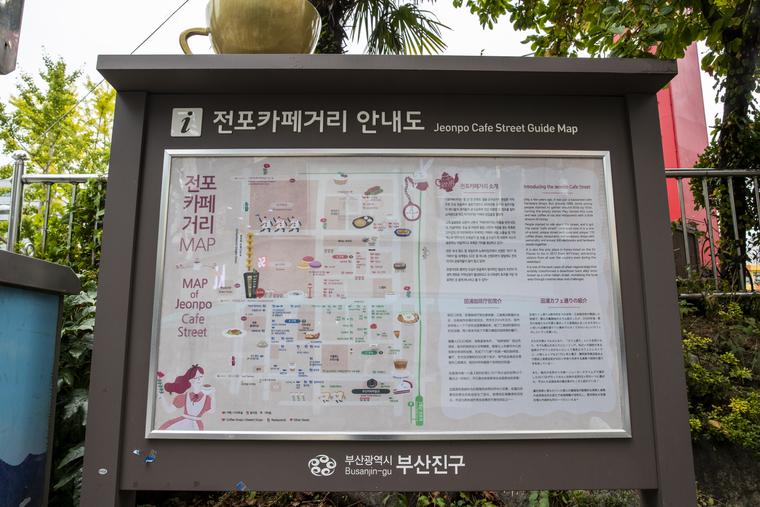
A wooden-framed signboard showing a map of Jeonpo Café Street with descriptions.Sources & context
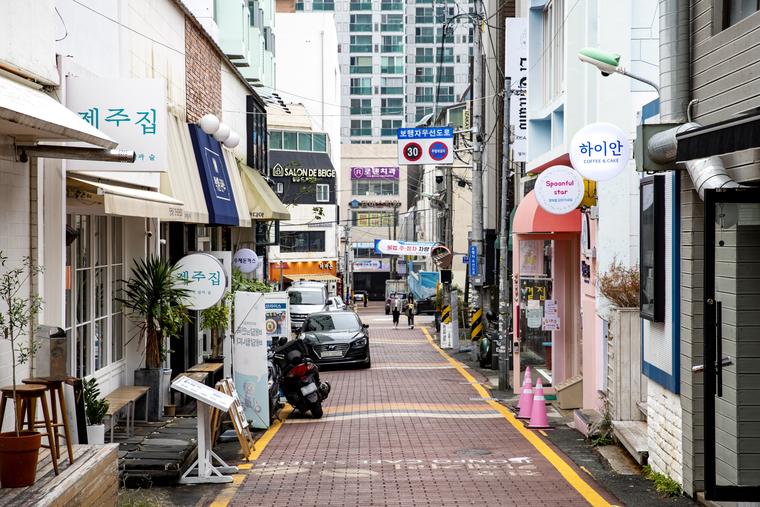
Shops and signs line an alley in Jeonpo Café Street. Archival photograph provided by the Korea Tourism Organization. Photo: Korea Tourism Organization, KOGL Type 1. The collection gives 2020 as the photo year; the exact date is unknown. This is not a 2026 festival scene or evidence of this year’s participating shops. Public preview file used unchanged; the card displays a centred 4:3 crop.
A red-brick building signed ‘ROAD 209’ and neighbouring shops around Jeonpo-daero 209beon-gil, this year’s festival area. Archival photograph provided by the Korea Tourism Organization. Photo: Korea Tourism Organization, KOGL Type 1. The collection gives 2020 as the photo year; the exact date is unknown. This is not a 2026 festival scene or evidence of this year’s participating shops. Public preview file used unchanged.
Contrasting shopfronts along Jeonpo Café Street. Archival photograph provided by the Korea Tourism Organization. Photo: Korea Tourism Organization, KOGL Type 1. The collection gives 2020 as the photo year; the exact date is unknown. This is not a 2026 festival scene or evidence of this year’s participating shops. Public preview file used unchanged; the card displays a centred 4:3 crop.
A wider street in Jeonpo Café Street with a ginkgo tree and pavement. Archival photograph provided by the Korea Tourism Organization. Photo: Korea Tourism Organization, KOGL Type 1. The collection gives 2020 as the photo year; the exact date is unknown. This is not a 2026 festival scene or evidence of this year’s participating shops. Public preview file used unchanged.
A bicycle and wooden chair beside a shop, with a pink storefront across the alley in Jeonpo Café Street. Archival photograph provided by the Korea Tourism Organization. Photo: Korea Tourism Organization, KOGL Type 1. The collection gives 2020 as the photo year; the exact date is unknown. This is not a 2026 festival scene or evidence of this year’s participating shops. Public preview file used unchanged; the card displays a centred 4:3 crop.
A Jeonpo lane with a ‘BAO HAUS’ sign on an upper floor. Taken in 2020; it is not confirmed that the current restaurant’s location or frontage matches. Archival photograph provided by the Korea Tourism Organization. Photo: Korea Tourism Organization, KOGL Type 1. The collection gives 2020 as the photo year; the exact date is unknown. This is not a 2026 festival scene or evidence of this year’s participating shops. Public preview file used unchanged.
The ‘Jeonpo Cafe Street Guide Map’ sign installed by Busanjin-gu. Archival photograph provided by the Korea Tourism Organization. Photo: Korea Tourism Organization, KOGL Type 1. The collection gives 2020 as the photo year; the exact date is unknown. This is not a 2026 festival scene or evidence of this year’s participating shops. Public preview file used unchanged.
The 31st Gangdong Seonsa (Prehistoric) Culture Festival runs from Friday, October 16, to October 18 at the Amsa-dong Prehistoric Site in Seoul, a Neolithic settlement about 6,000 years old. The program includes an opening drone show, a nightly light festival, and a talk by Go master Lee Se-dol and fireworks on the final day. Admission is free.
Opening night and light show
The festival fills the Seoul Amsa-dong Prehistoric Site (875 Olympic-ro) and Amsa Historical Park under the theme 'The Beginning of Seoul, Amsa'. After sunset on all three nights, light, music and video are projected along the site trail and onto the museum’s outer wall.
The opening ceremony is on the afternoon of October 16 at the main stage, followed by a drone show and performances by Space A, Wax and Seol Un-do. Gangdong-gu said it is the only Seoul festival selected as a Ministry of Culture, Sports and Tourism preliminary festival for 2026–2027.
Lee Se-dol talk, closing fireworks
On October 17, the Gangdong-gu arts troupe performs and Baewijeol Village’s Hosangnori, a Seoul intangible heritage, is re-enacted.
On October 18, Lee Se-dol gives a talk concert titled 'A Divine Move' at the forest stage. The main stage hosts the 'Seonsa Rock Festival' and closing performances by Shin Hyo-beom, So Chan-whee and Nam Jin, followed by fireworks.
Activities and hours
At the entrance, the Time Slip Handcrafted Market features work by emerging artists on themes from the Paleolithic and Neolithic to the future. Inside the site, 'Land of Clay' offers a Neolithic archaeology experience school, and there is a prehistoric barbecue.
Hours are 10 a.m. to 9 p.m. (from 3 p.m. on October 16), according to the Ministry of Culture, Sports and Tourism. Admission is free; some activities charge a fee. Inquiries: 02-3425-5247; website gdsunsa.com. The announcements did not include transit directions or foreign-language support.
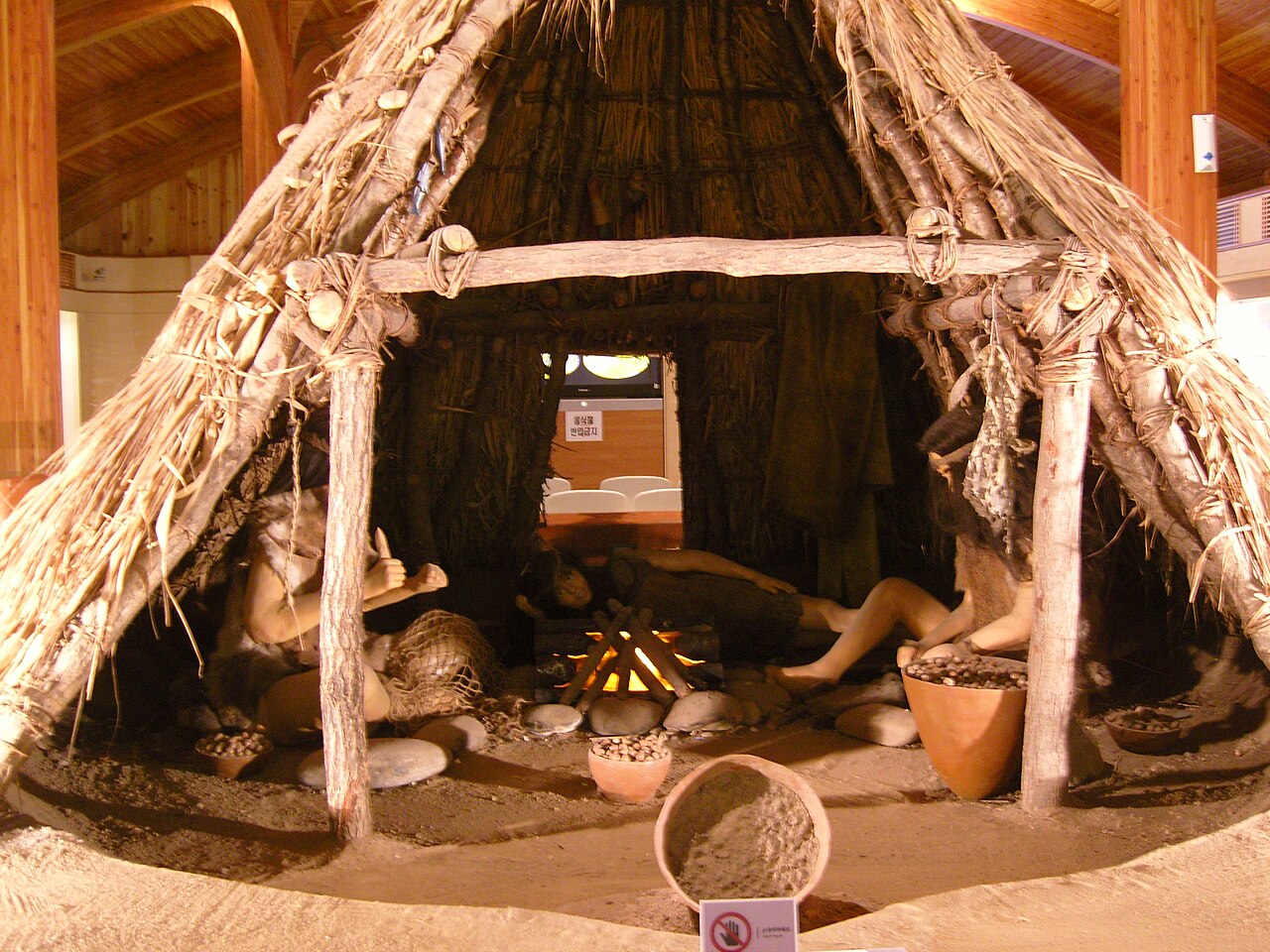
A reconstructed Neolithic pit dwelling at the Amsa-dong site, photographed in 2008. Archive photo, not from this festival. Photo: Kang Byeong Kee · CC BY 3.0
The 19th Mapo Naru Saeujeot Festival, Seoul’s salted-shrimp fair, runs October 16–18 at Pyeonghwa Plaza in World Cup Park. Mapo-gu says saeujeot will sell for 10–15% below market prices. The program includes a magistrate’s procession, a re-enacted sailboat arrival, a 19-metre shrimp gimbap and closing fireworks.
Opening-day procession
The festival opens at 10:30 a.m. on October 16, when the Sato (magistrate) procession sets out from the Mapo-gu Office plaza for Pyeonghwa Plaza. A re-enactment recreates the yellow-sailed boats that once carried salted shrimp into Mapo Naru.
About 20 foreign participants join residents to make kimchi, and Jung Dong-ha, the Hong Kyung-min Band, Ali and Maya perform.
Shrimp sales and activities
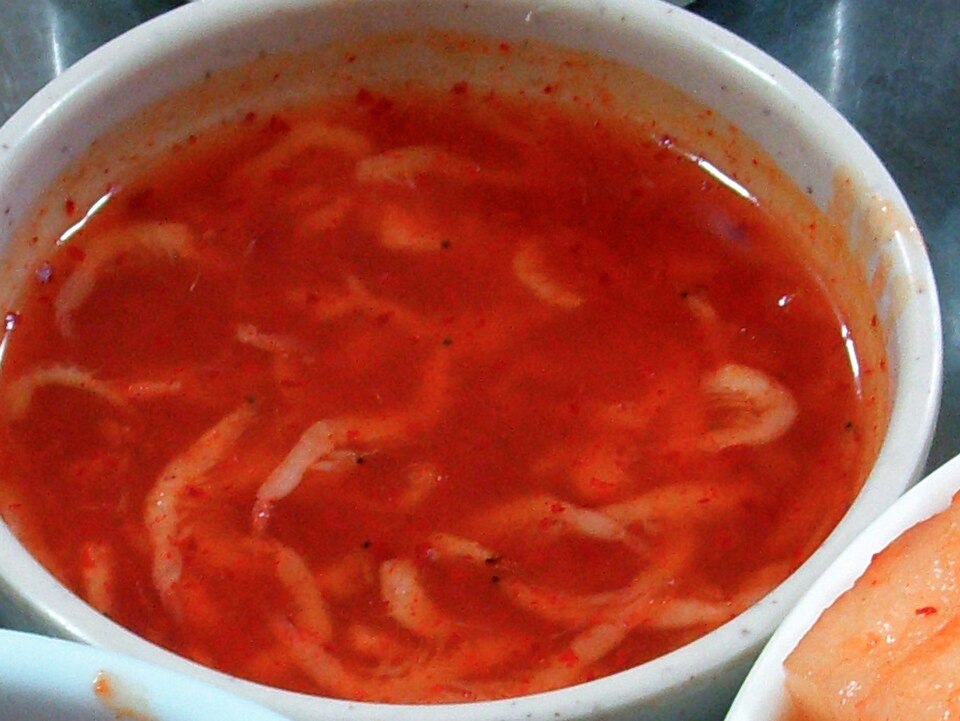
Sales booths rise from 8 last year to 12, selling yukjeot, ojeot and chujeot (shrimp salted in different seasons) from Ganggyeong, Gwangcheon, Sinan, Buan and Sokcho. Mapo-gu said prices are set 10–15% below market. Shrimp catching, saeujeot making and a saeujeot auction run throughout the festival.
On October 17, 38 children help roll a 19 m shrimp gimbap to mark the 19th edition. The food market adds a shrimp booth serving shrimp pasta and shrimp fried rice, and sister cities and local co-ops run 14 specialty booths.
Bossam feast and fireworks
October 18 brings a bossam feast for about 200 people and a closing stage, ending with fireworks and a laser show. The Seoul Silver Grass Festival runs at the same time in nearby Haneul Park.
Reports did not give admission fees, opening hours or public transport details; Mapo-gu posts notices. Leaflets with an English-guide QR code will be handed out, and English leaflets will be placed at local tourist information centres. There is no separate foreign-language program this year; interpretation is under consideration from next year’s 20th festival.
Kakao Pay’s Oraeorae Hamkke Gage on Yeonmujang-gil in Seoul’s Seongsu-dong has been open for two months, on a street where pop-ups usually turn over in a week or two. The shop carries 100 small-business brands, and a 1,000-won fee covers a tasting plate and a lucky draw. It runs until October 31.
Inside the shop
The entrance traces Kakao Pay’s work with small businesses. The central Atelier displays raw ingredients instead of finished products: small, muddy carrots for a carrot-leaf tea brand and a wooden paddle heaped with sesame seeds for a sesame and perilla oil maker.
QR codes on brand cards link to online stores. The 100 brands are grouped into five themes: tradition, taste, everyday lifestyle, eco-friendly and regional makers.
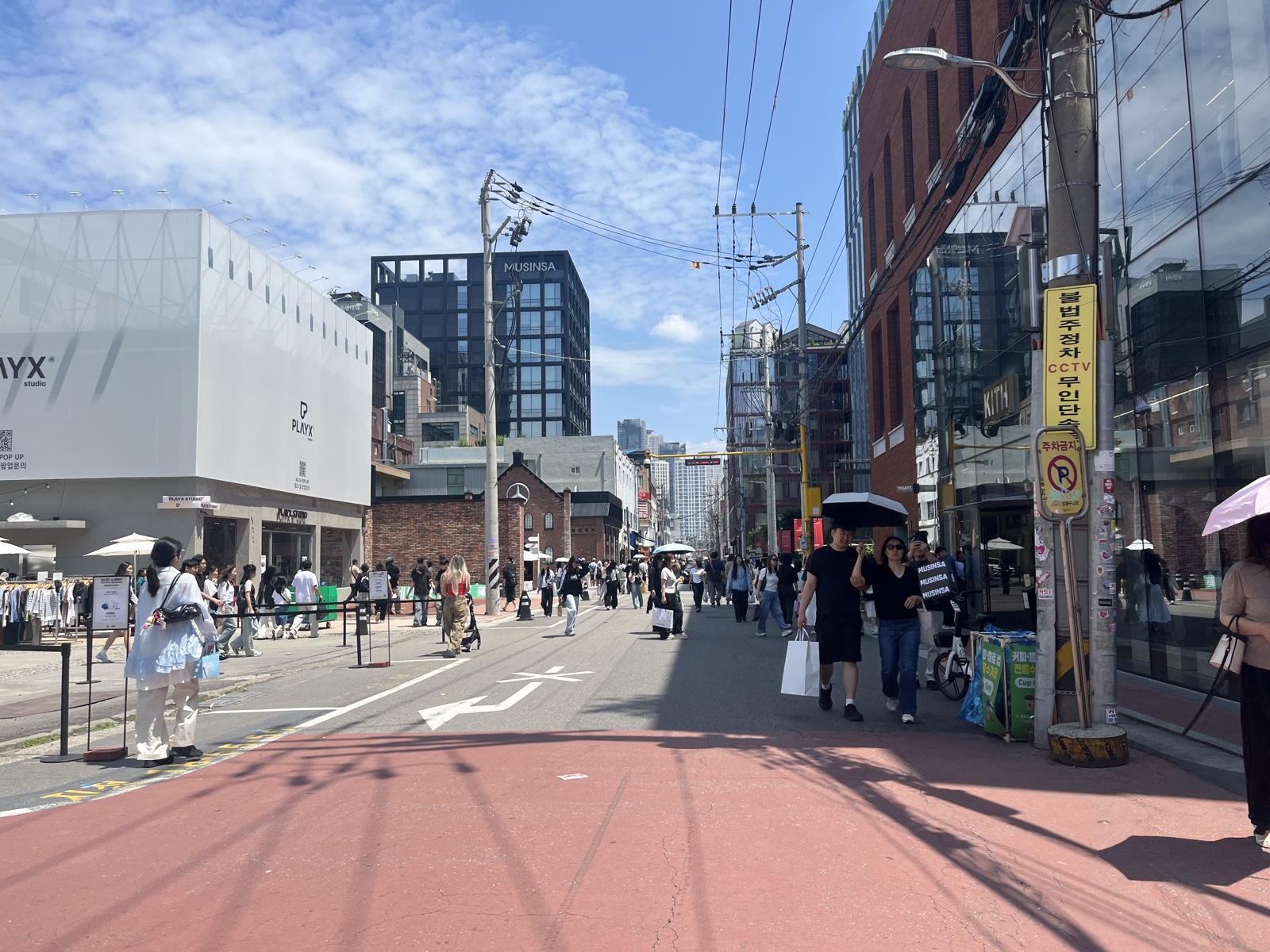
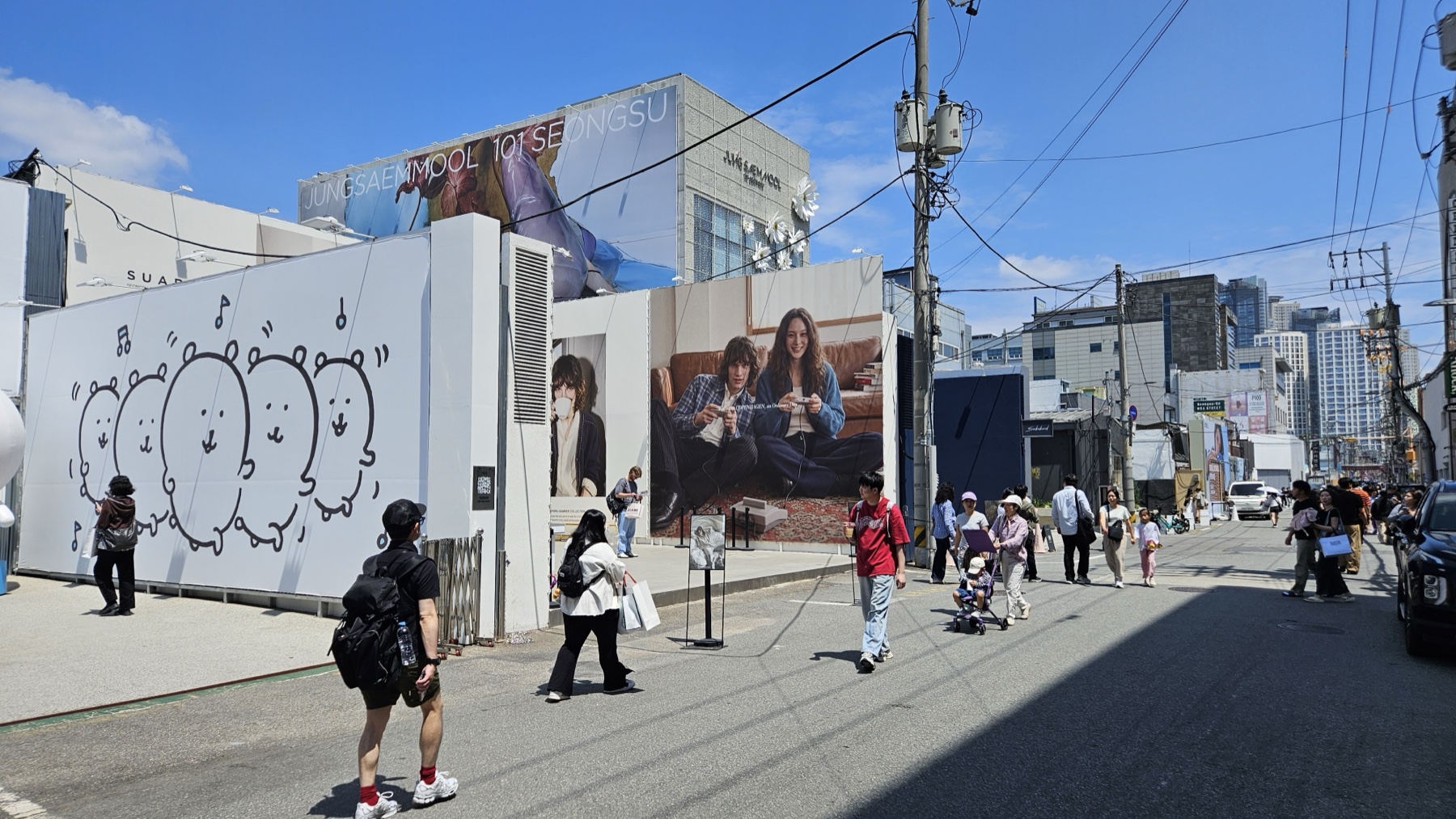
People walking on the red-paved Yeonmujang-gil past white and brick buildings
The 1,000-won experience
The 1,000-won fee buys two coins. One goes into a lucky draw for discount coupons worth at least 1,000 won; the other buys Orae Hansang, a small spread of tea or coffee and snacks from the shop’s food brands, served on the outdoor Orae Square.
Proceeds from the fee and from paid shopping bags go to a fund for small businesses.
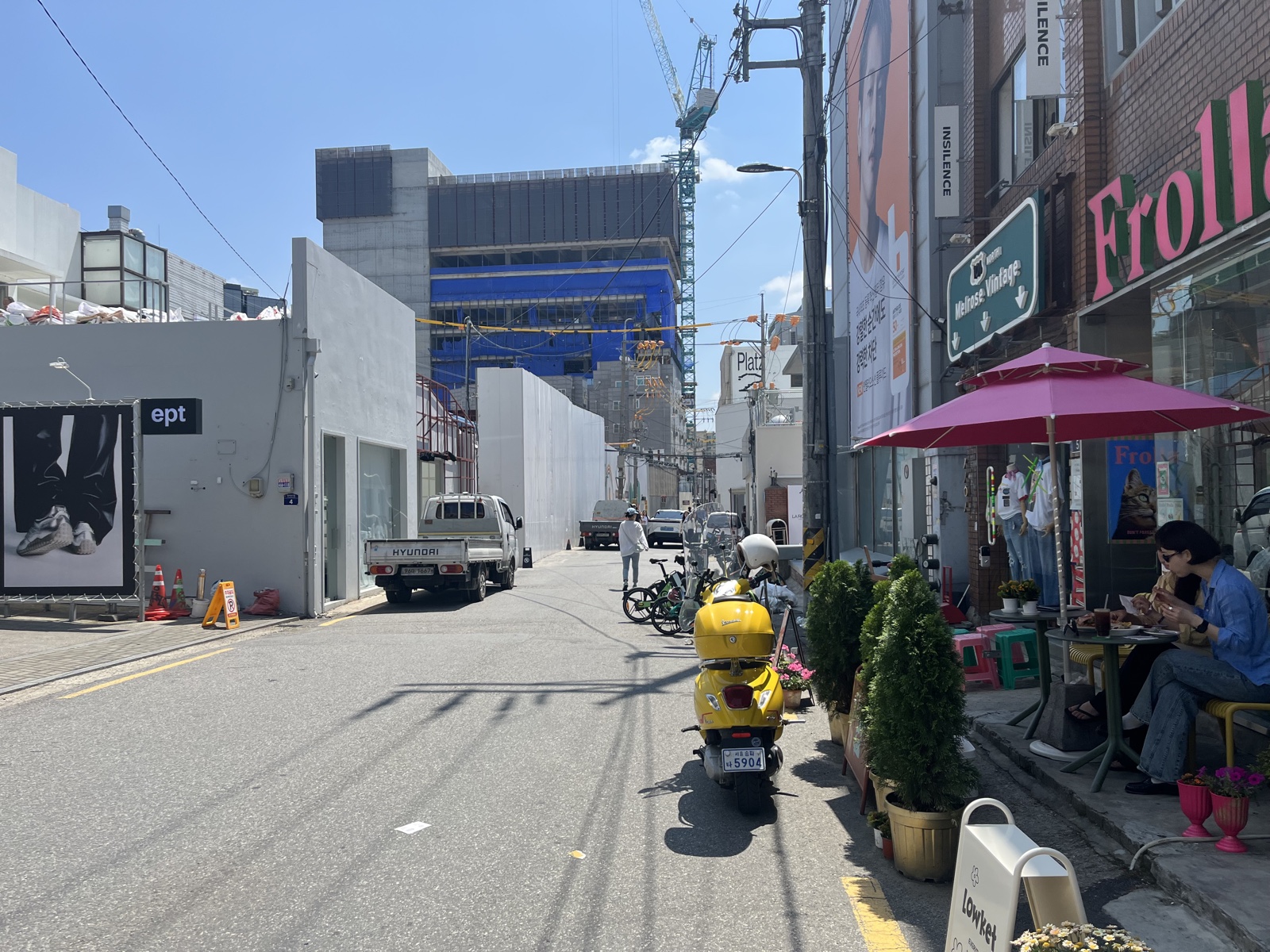
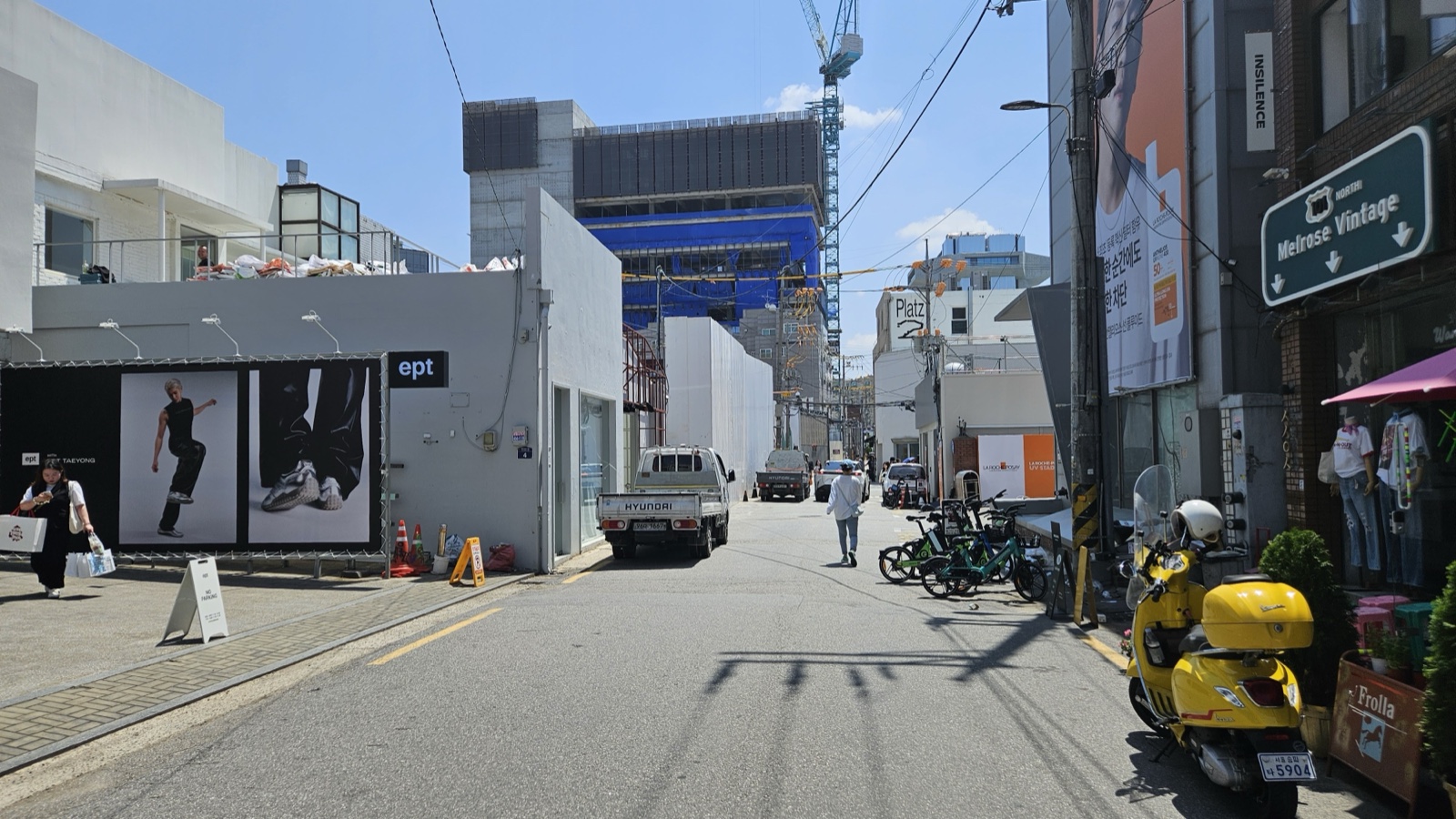
People seated on a terrace under pink parasols beside a parked yellow scooter
Visitor information
The shop is at 8-27 Yeonmujang 3-gil, Seongdong-gu, and is open until October 31. Pop-up guide Popga lists hours of 11 a.m. to 8 p.m. daily.
Brands pay no commission. Kakao Pay said the campaign, launched in June 2023, has connected 264 brands with more than 400,000 customers. Small-batch items can sell out. Foreign card payment and English support have not been confirmed.
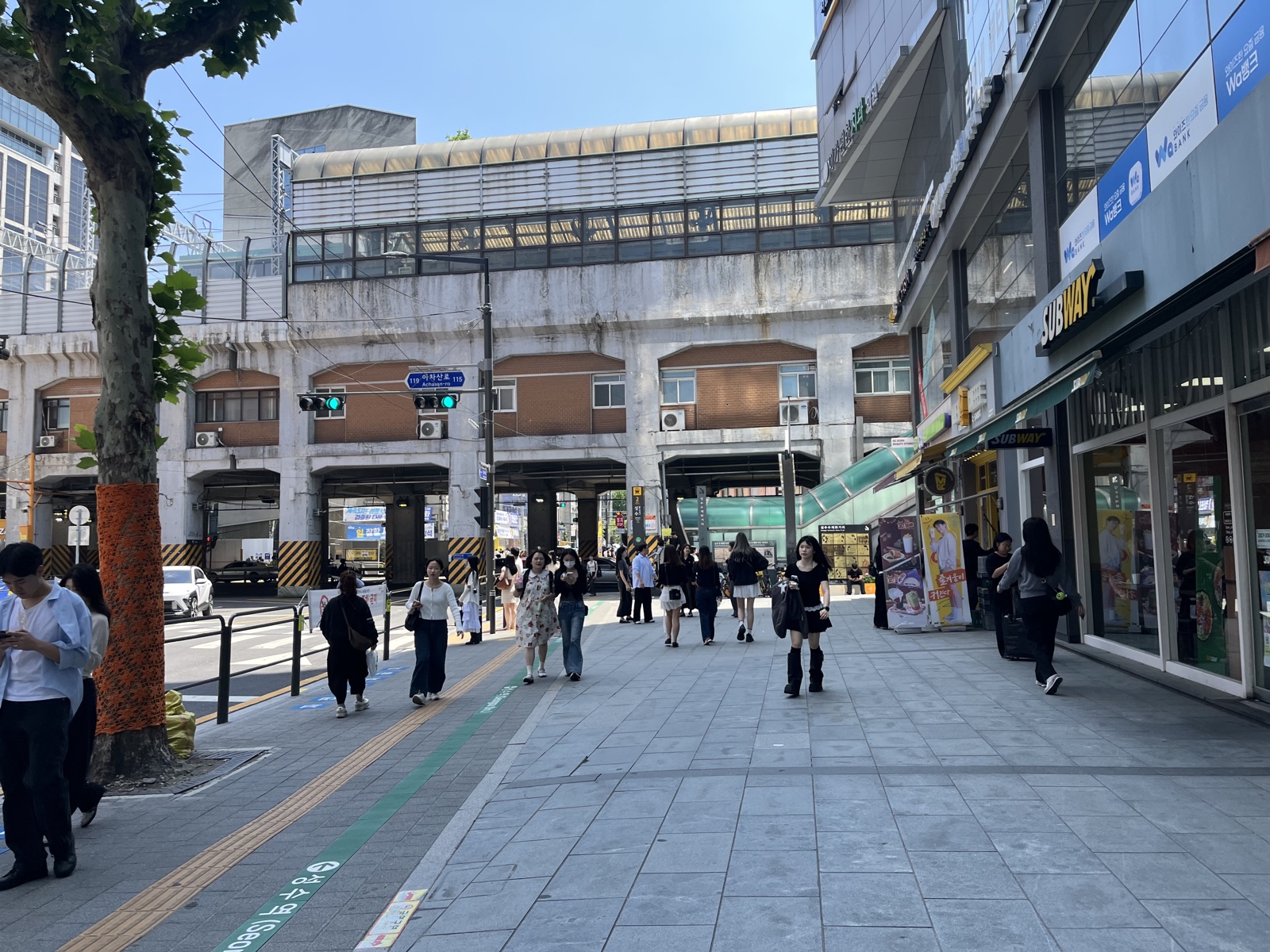
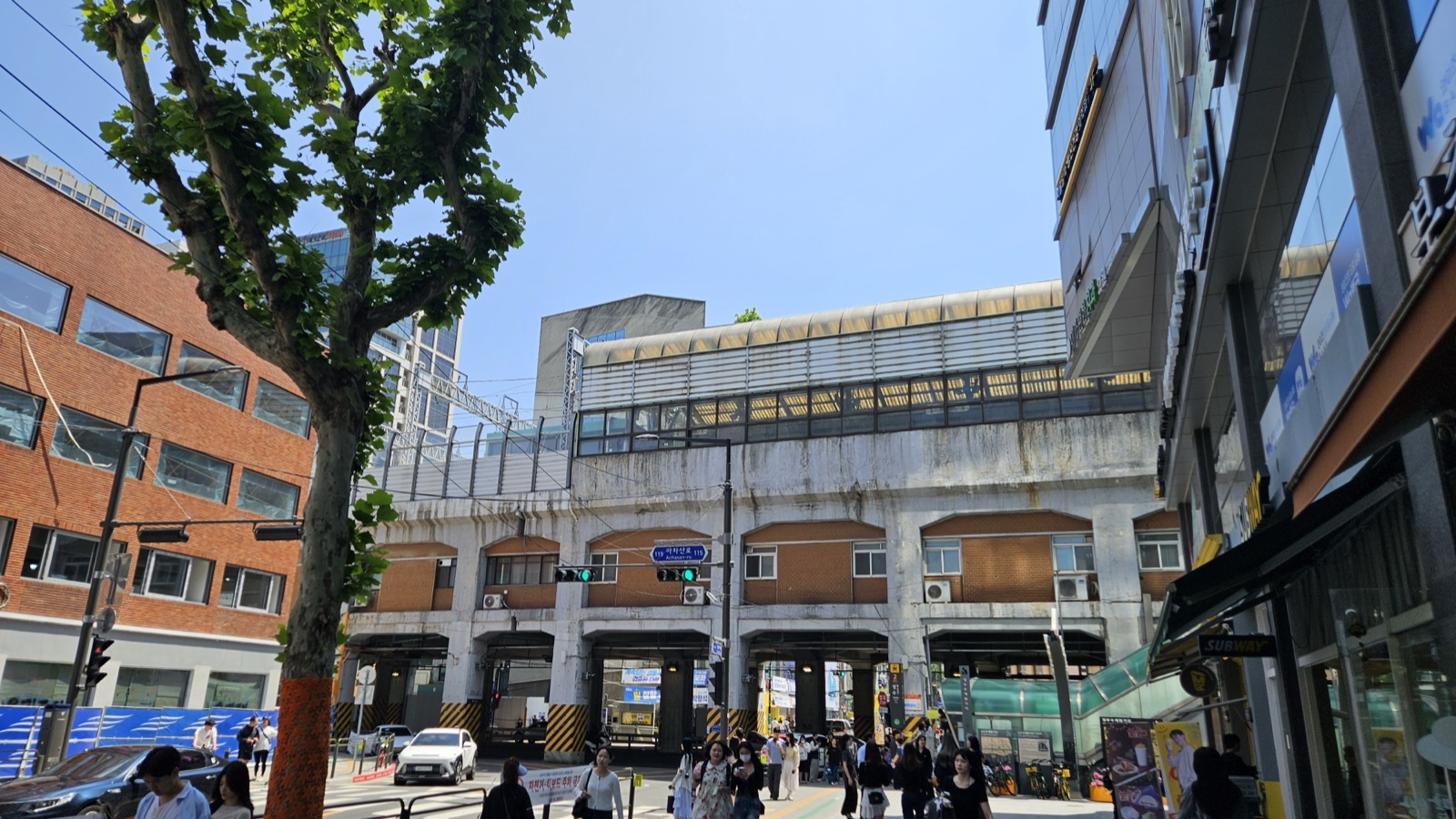
Tree-lined sidewalk with shops leading to the elevated Seongsu Station building
The sidewalk leading to the elevated Seongsu Station, May 2026 archive photo. Visitors usually walk to the Yeonmujang-gil pop-ups from here. Photo: Tjwlgns · CC BY 4.0
Zigzag Express, a pop-up where shoppers can try on and buy clothes from 50 shops on the Zigzag fashion app, runs October 16–18 at Anderson C Seongsu in Seoul’s Seongsu-dong. Advance reservations have sold out, but walk-ins are accepted.
Shops and layout
It is the third offline pop-up from Zigzag, the platform run by Kakao Style. The first floor groups products from 39 shops into six themes: daily casual, feminine, vintage casual, street casual, modern chic and all-size.
The second floor shows autumn pieces from 11 Zigzag-exclusive shops, including Realcoco, Laroom and Edmore. There are 10 fitting rooms.
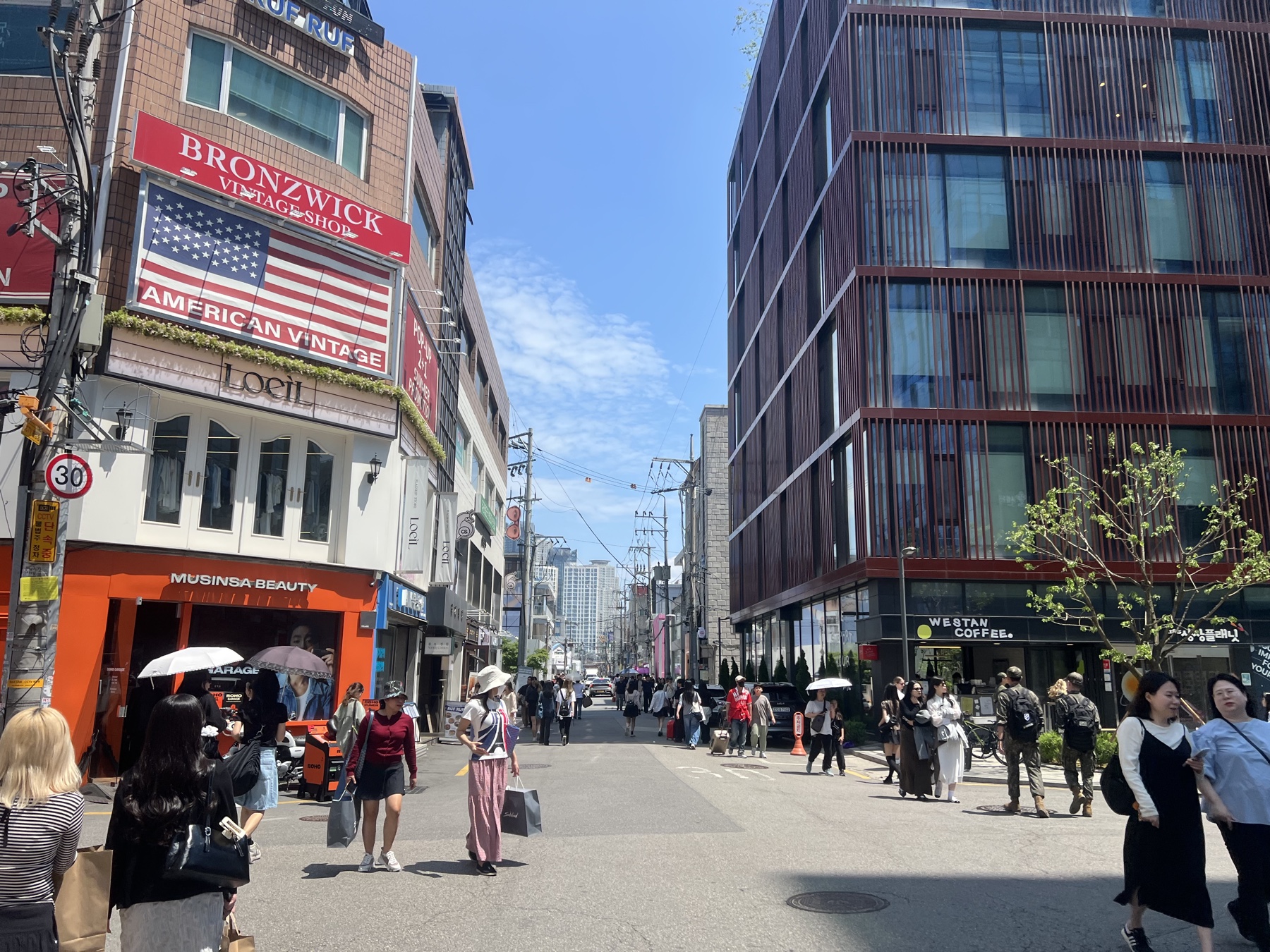
Seongsu lane with a vintage-shop sign and yellow scooter on the right and white pop-up buildings on the left
Buying and delivery
Shoppers can pay on site or scan the QR code on a tag to order through the Zigzag app. Every item at the pop-up qualifies for Jikjin Baesong, Zigzag’s next-day delivery.
The venue has a poster zone and a mirror photo spot, and a lucky-box draw uses photos taken there.
A person carrying shopping bags walks along Yeonmujang-gil between shop buildings
Visitor information
Kakao Style said advance reservations were sold out and that walk-ins would be admitted. Opening hours and on-site queuing were not in the announcement; the Zigzag app posts notices.
Anderson C Seongsu is a vintage furniture store at 36 Seongsuil-ro 6-gil, Seongdong-gu. Related discounts in the Zigzag app run until October 25. Foreign card payment and English support have not been confirmed.
Street with shops and pedestrians beneath the elevated rail line at Seongsu Station
LOCATION
Anderson C Seongsu, 36 Seongsuil-ro 6-gil, Seongdong-gu, Seoul (address as listed by GQ Korea, 2024).
The elevated tracks at Seongsu Station (Line 2) and the street below, May 2026 archive photo. Most Seongsu pop-up trips start here. Photo: Aspere · CC0 1.0
Bongeunsa Temple in Seoul’s Gangnam district will open to the public the closing rites of its 49-day Saengjeon Yesujae observance on October 18–19. Saengjeon Yesujae is a Buddhist ritual in which the living pray for rebirth in the Pure Land after death. Viewing is free.
What the ritual is
Saengjeon means “during one’s lifetime.” The Korea Heritage Agency describes Saengjeon Yesujae as a Buddhist ritual in which living people pray for rebirth in the Pure Land after death.
This year’s public program is the hoeyang, the conclusion of a 49-day period of prayer. The two days open to the public are the final part of that observance.
Order of the two days
The first day includes the opening Sinjung Jakbeop rites, the procession of a large hanging Buddhist painting and a ritual tablet, preparation of the ritual space, a Buddhist ceremony and a joint recitation of the Diamond Sutra.
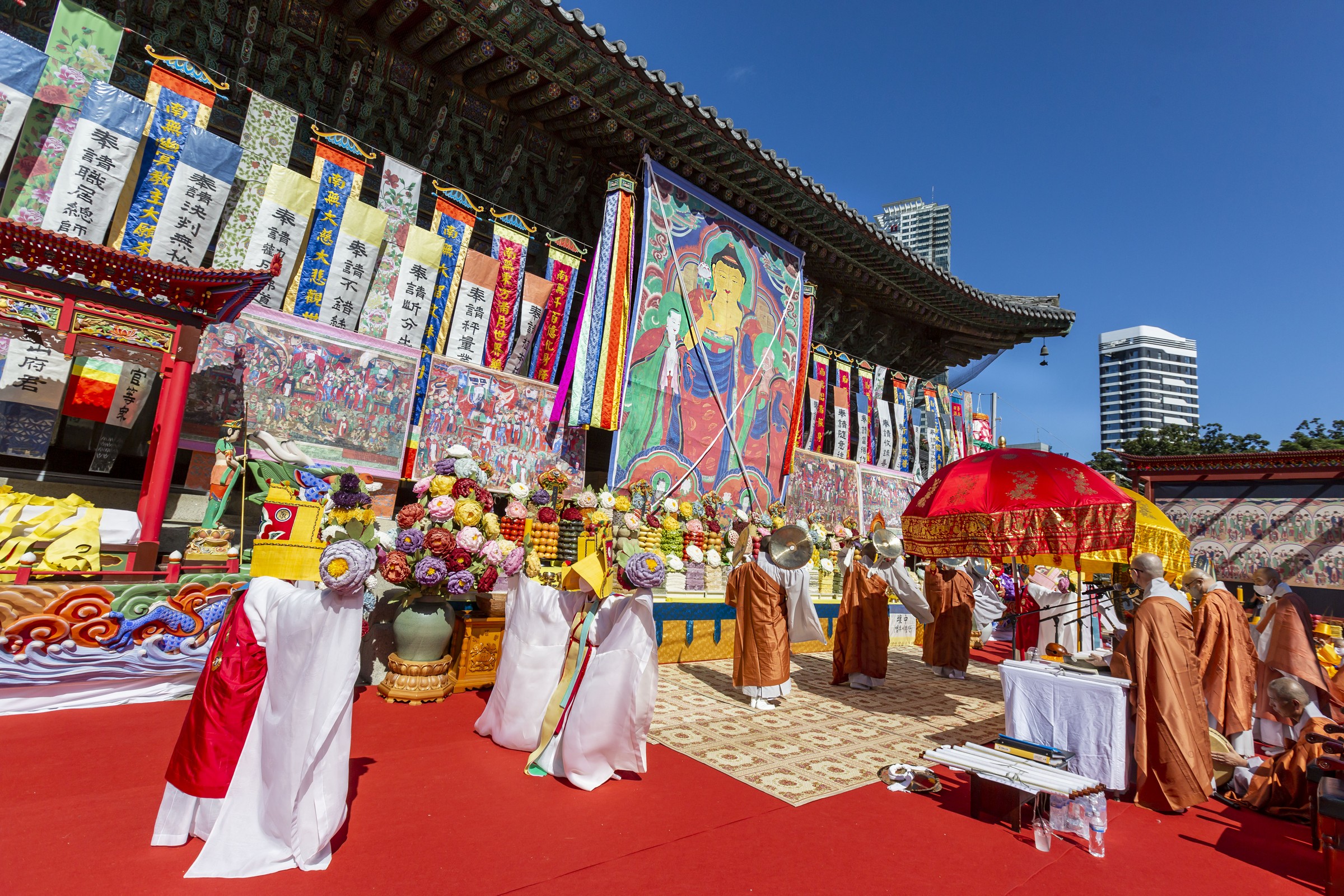
The second day moves through rites at the middle, lower and spirit altars and ends with the closing send-off. The two days follow different sequences rather than repeating one program. The photograph is an archival image from a past ceremony supplied by the Korea Heritage Agency, not from this year’s event.
Visitor information
The public ceremony runs from 9:30 a.m. to 4:30 p.m. on October 18 and 19, 2026, on the temple grounds. The official listing says on-site viewing is free. The address is 531 Bongeunsa-ro, Gangnam-gu, Seoul; inquiries: 02-3218-4975.
The listing covers viewing only; it does not include participation in the rites, seating or foreign-language interpretation. Visitors should keep clear of the ceremony and worshippers.
Archival photograph of Bongeunsa Saengjeon Yesujae, not the October 2026 event. Korea Heritage Agency, October 1, 2026 release (Kim Yu-jeong), KOGL Type 1. Proportionally downscaled from the original.
Hair-accessory brand heyep and cosmetics brand Celvoke released a limited makeup collection in a heart-shaped case in Japan on October 15. No Korean release has been announced.
The collaboration
Heyep is an accessory brand created by Korean and Japanese designers. The collaboration carries its decorative style over to cosmetics packaging.
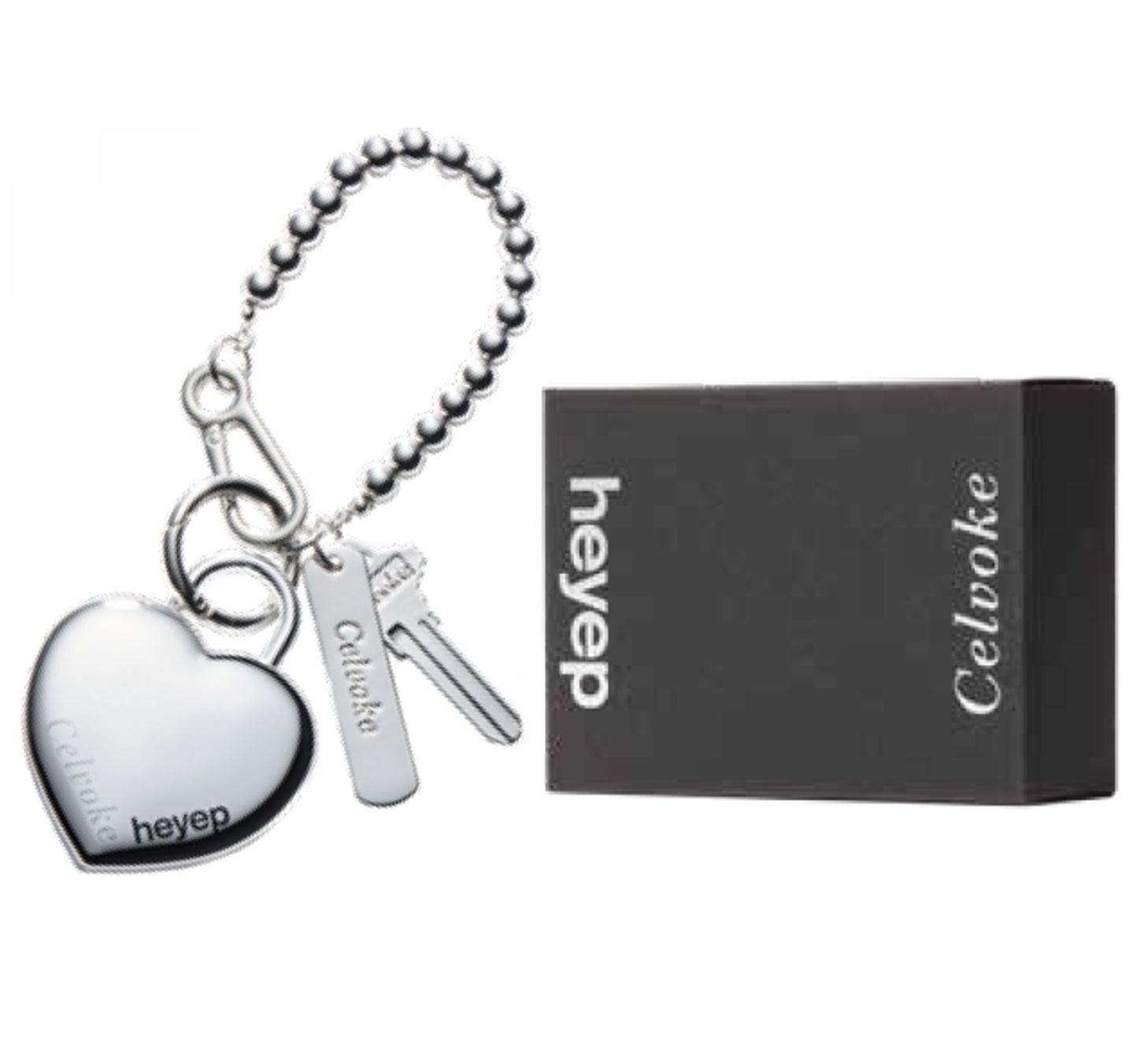
The silver heart case comes with a key-shaped charm, so the makeup container can be carried like an accessory.
The products
Padlock Multi Color Balm is for the eyes, cheeks and lips. The kit includes a ball chain and charms for attaching the case to a bag or pouch. The official product image shows the heart case, the key-shaped charm and a black box.
Also in the collection, Expressive Eyes EX08 is an eye palette of nine brown-toned shades in matte, glitter and shiny finishes.
Where to buy
According to the announcement, the collection is sold at Celvoke stores and selected Cosme Kitchen stores in Japan. Celvoke’s Japanese online store began sales at 10 a.m. Japan time on October 15. The announcement did not include a Korean release.
The design turns a container normally kept inside a pouch into an ornament hung outside it.
Official product image of the Celvoke × heyep Multi Color Balm Kit, showing the heart-shaped case with a ball chain and charms. MASH Beauty Lab / Celvoke × heyep, via PR TIMES.
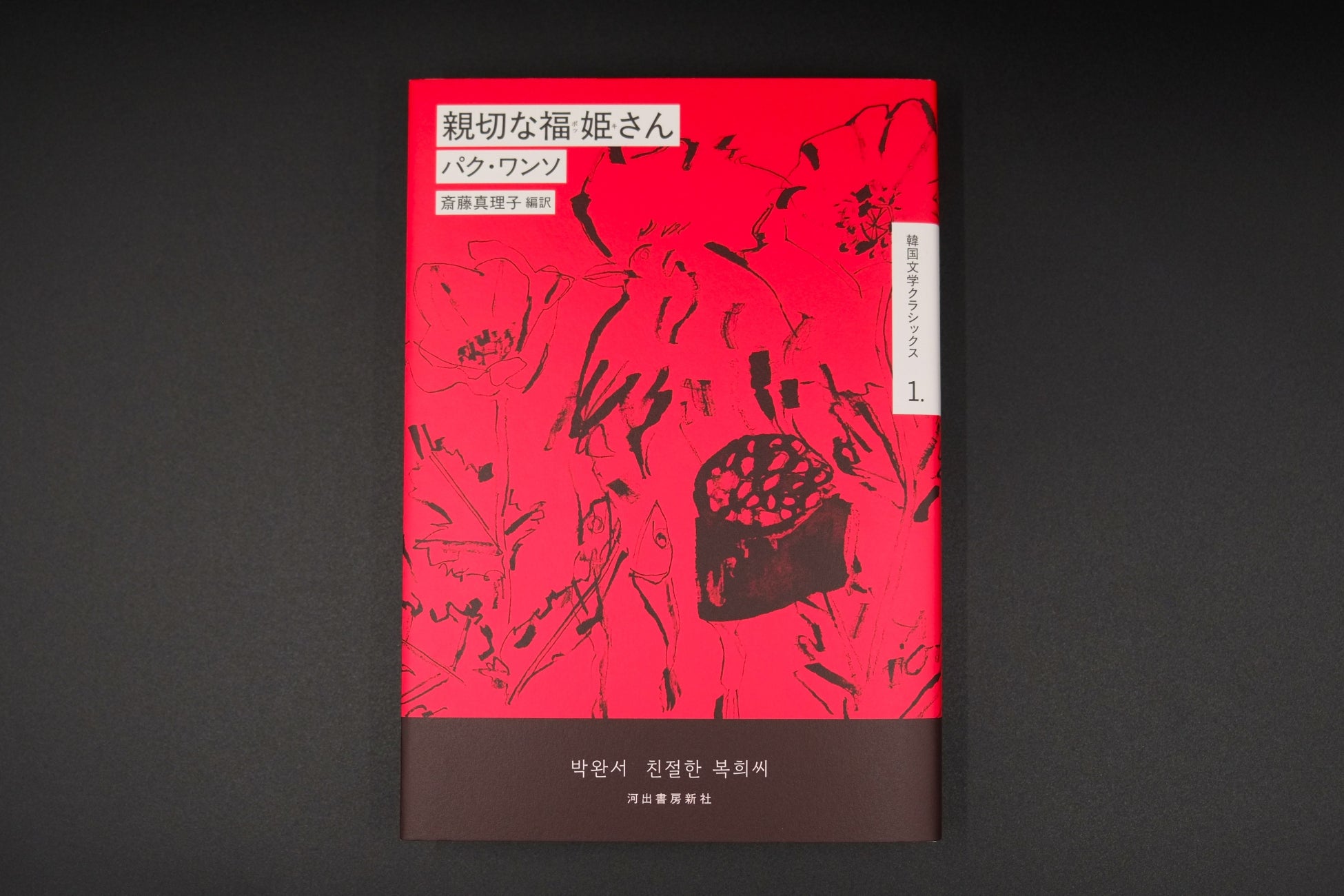
『親切な福姫さん』, a new Japanese selection of 11 stories by Park Wan-seo chosen and translated by Mariko Saito, is published in Japan on October 15. It is the first volume of a Korean Literature Classics series introducing postwar Korean writers.
The stories
The book collects 11 stories, from Park’s early work to her final story, with a translator’s commentary. Because it is a newly assembled Japanese selection, its contents may differ from a Korean collection with the same title.
Series and edition
The series, with Saito selecting and translating, is planned at five volumes. The ISBN is 9784309619118, and the publisher’s page lists the edition and retailers. International shipping and individual-store stock have not been confirmed.
Publisher photograph of the Japanese Park Wan-seo selection 『親切な福姫さん』. Photo: Kawade Shobo Shinsha via PR TIMES. Cover illustration: Ryo Shibata; design: Jun Kawana.
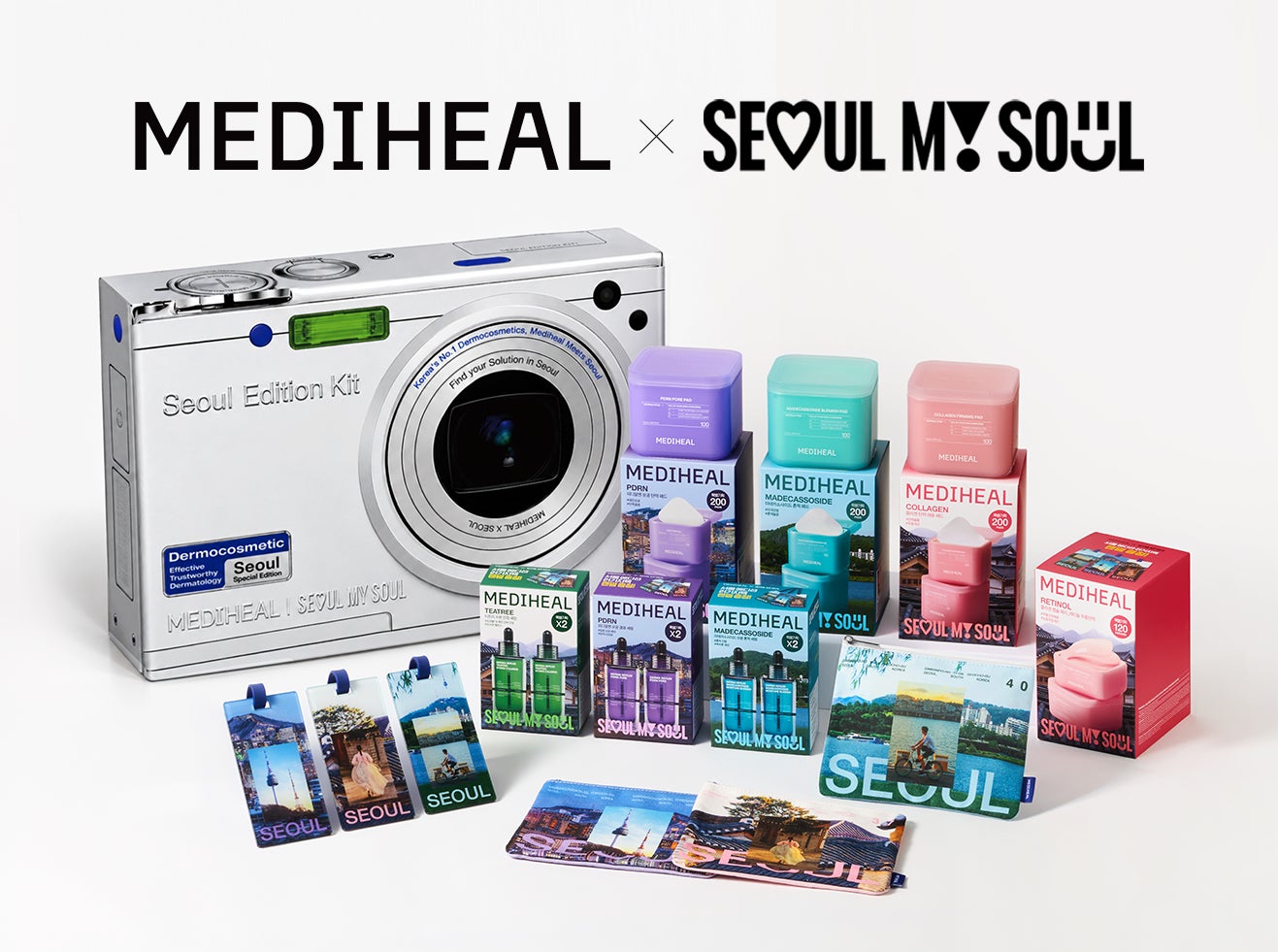
Mediheal launched a seven-product Seoul Edition themed on Hangang, Namsan and Bukchon on October 1. The pads, serums and eye patches carry Seoul scenes on their packaging, and special sets come with Seoul-designed pouches or luggage tags.
The range
Hangang is paired with the Madecassoside line, Namsan with PDRN, and Bukchon with the Collagen and Tea Tree lines. The edition includes three pads, three Derma Serums and Collagen Capsule Patch Retinol, for seven products.
Manufacturer L&P Cosmetic announced the same edition in Japan on October 14. It went on sale in Korea on October 1.
Gifts with special sets
According to the Seoul city government, special Derma Pad sets come with a pouch and special Derma Serum and eye-patch sets with a luggage tag, each in one of three randomly assigned designs. The back of the pouch carries a list of things to do in Seoul.
The product photo shows the full range, not the contents of a single set.
Where to buy
The city lists Olive Young stores nationwide, Seoul My Soul Shop, DDP Design Store and the DDP online store. Current prices, store stock, overseas card acceptance and shipping terms have not been confirmed.
Supplier photograph of Mediheal Seoul Edition products and merchandise, not the contents of a single retail set. Photo: L&P Cosmetic / MEDIHEAL, via PR TIMES for editorial reporting.