
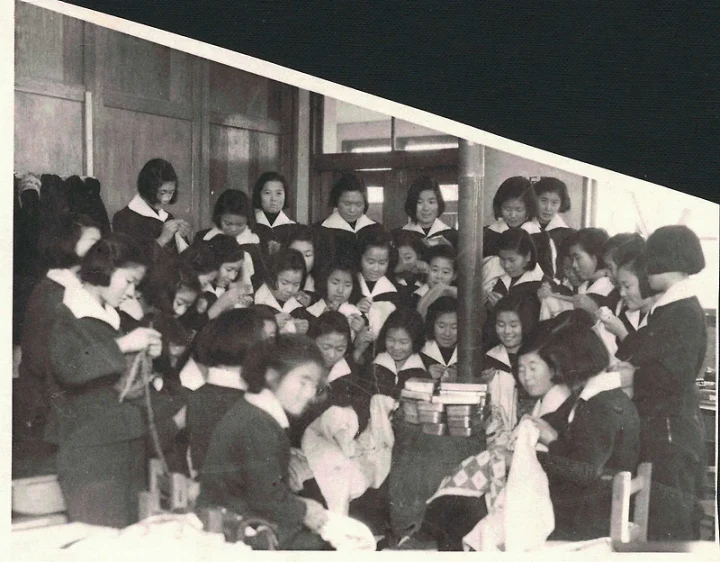
Before school lunches became common, students brought metal lunchboxes from home and warmed them on the classroom stove. Boxes at the bottom got much hotter, so the stack had to be rotated.
Korean Culture Explained: Life, History, Music & Language | NowHitz · 14
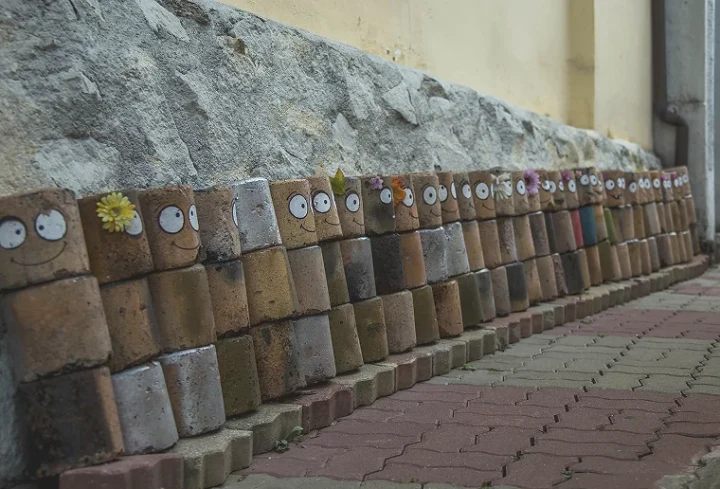
Coal briquettes have nearly vanished from ordinary urban winters, but they were once Korea’s dominant household fuel. A Seoul city article citing industry history puts household use at 77.8% in 1988.
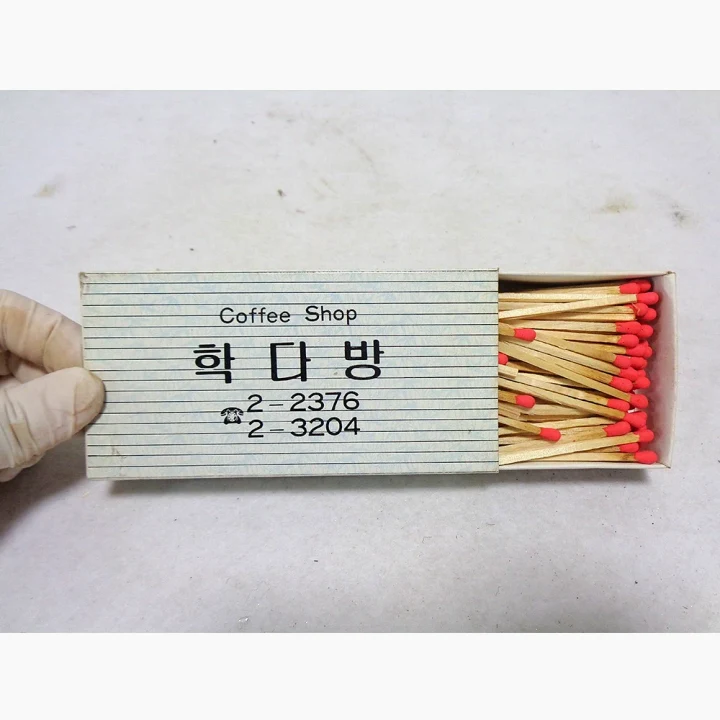
The Seoul Metropolitan Archives describes dabang as everyday urban spaces where culture, art, politics, youth and social life overlapped. Branded matchboxes with phone numbers also worked like pocket-sized advertisements.

In Sino-Korean, four and the character for death are both pronounced sa. Because of that association, some buildings label the fourth floor F instead of 4.

The bottles look similar, but Dong-A Pharmaceutical says Bacchus D and F have different formulas, sizes and sales channels. D contains 100 mL; F contains 120 mL.
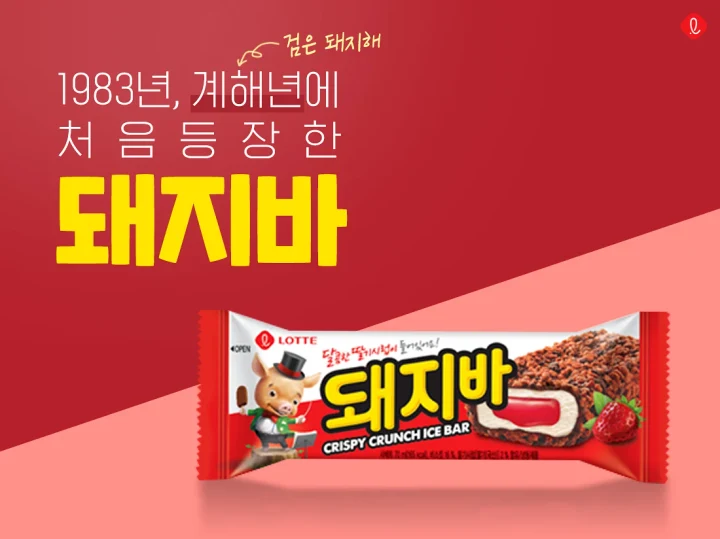
Dwaeji Bar launched in 1983, the Year of the Pig in Korea. Lotte says its name draws on the pig’s associations with abundance and good fortune, rather than the ice cream’s shape.
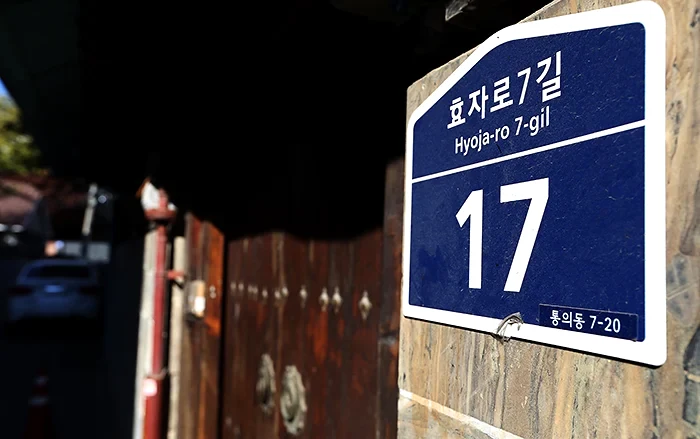
Building numbers in Korea’s road-name address system are not simply assigned at random. They can help you work out roughly how far along a road a building is and which side it is on.

Lotte traces the word hadeu, borrowed from English “hard,” to Samgang Hard, a popular ice cream launched in 1962. The product name became familiar enough to be used more broadly for ice cream bars.

Old Love
Rather than trying to erase a past love, the song lets memory remain as memory — a restrained, adult kind of longing.

Gwanghwamun Love Song
It moves through real Seoul landmarks — Deoksugung’s stone wall, Jeong-dong and Gwanghwamun — layering love over the passage of time.

Girl
It is a quiet song about simply looking toward someone. The melody never overwhelms the feeling, which lets it linger like a memory of first love.
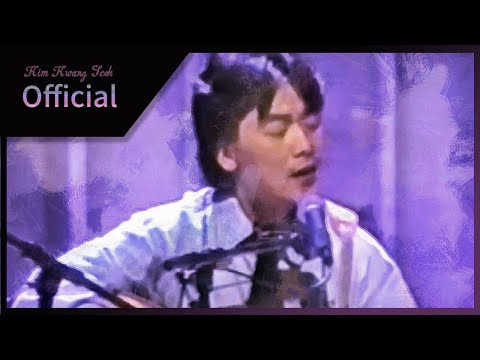
Around Thirty
Thirty is not framed as an ending or achievement, but as the moment one first notices time continuing to move away.
Stories for this topic are being prepared.