
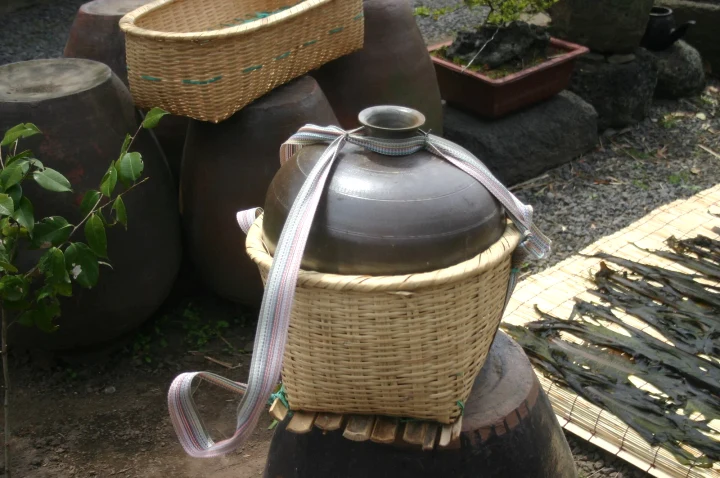
Onggi is Korean earthenware traditionally used for storage and fermentation. Tiny pores in the fired clay allow gases to move through the vessel wall, which is why people have long described it as a vessel that ‘breathes.’
Korean Culture Explained: Life, History, Music & Language | NowHitz · 13
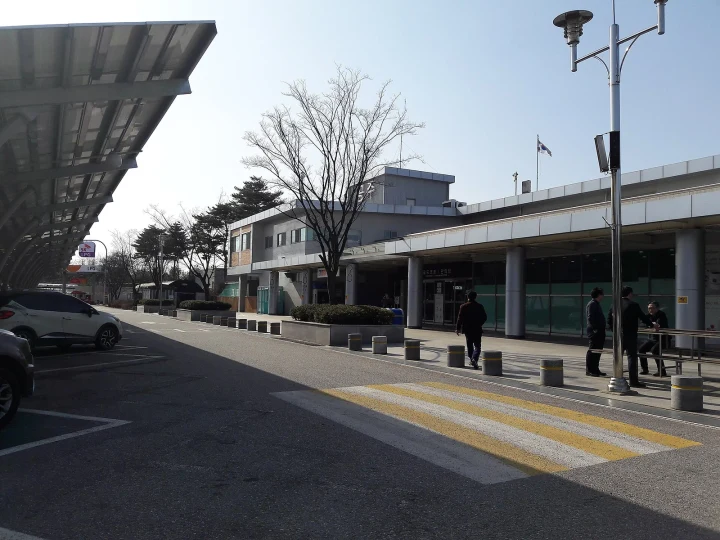
A Korean expressway rest area is often closer to a miniature travel stop than a simple restroom break. Major sites combine food courts, snacks, regional specialties, restrooms and fuel in one place.
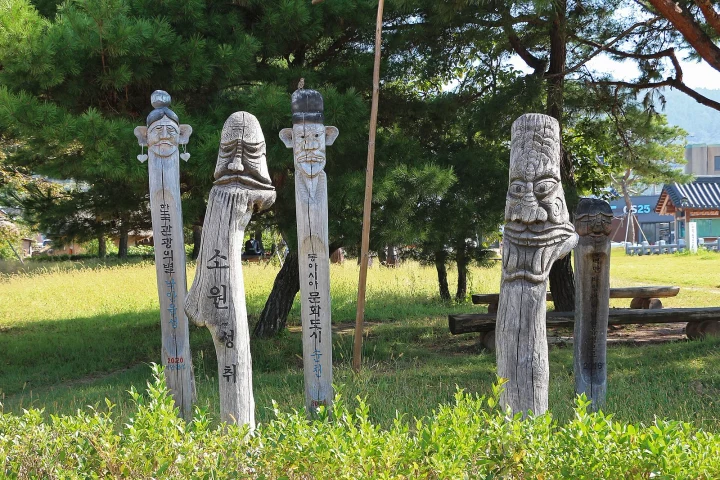
Jangseung are wooden or stone human-faced poles traditionally placed at village entrances and roadsides. They were not merely sculptures: they marked boundaries and routes while serving as protective village guardians.
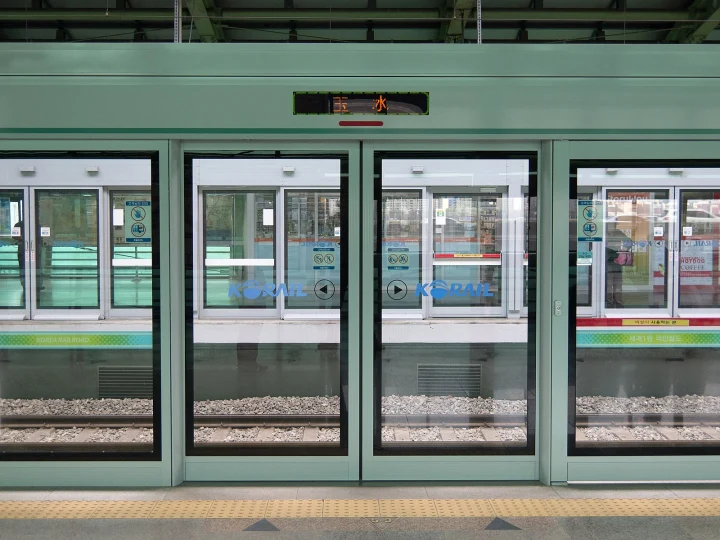
Seoul’s platform screen doors began as a safety barrier against track accidents, but they also changed the station environment by reducing dust and noise and improving cooling efficiency.
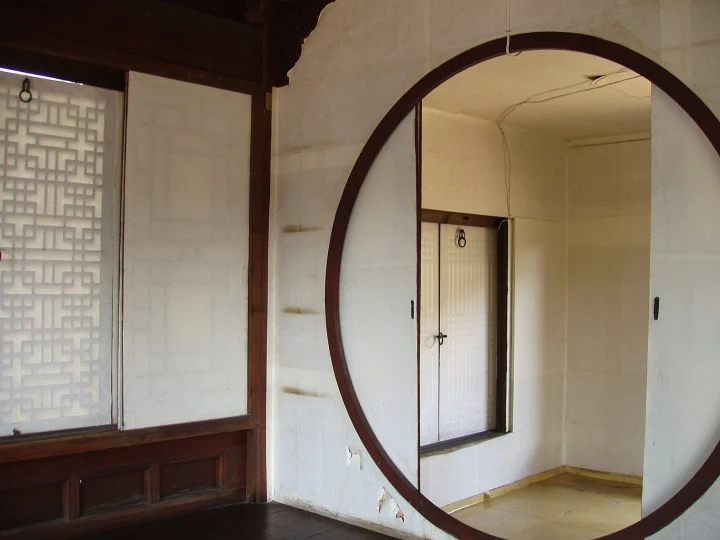
Traditional hanok used hanji window paper over wooden lattice to soften incoming light and help manage the indoor environment. It was not merely a pre-glass substitute; the paper’s material properties became part of the building system.
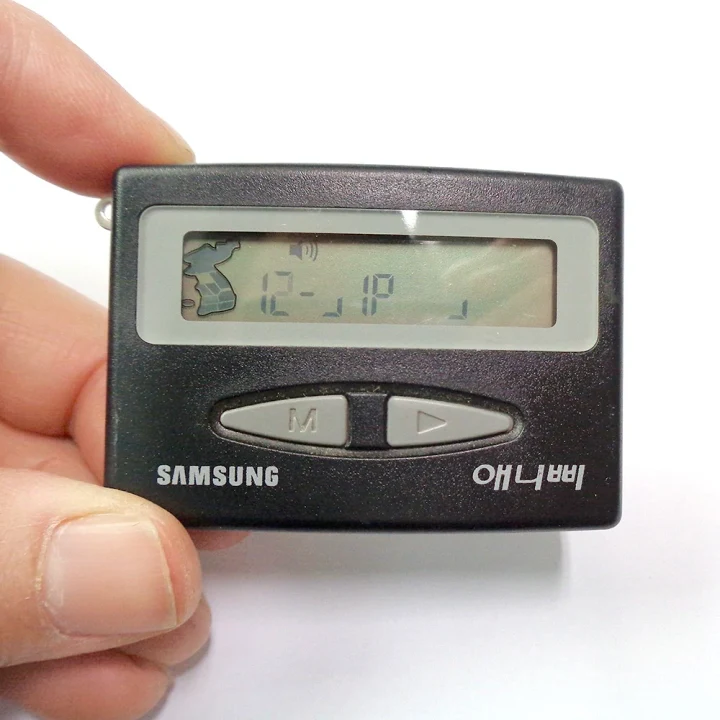
Most Korean pagers of the 1990s displayed numbers rather than normal chat. Users turned pronunciation, visual tricks and puns into a shared codebook for love, friendship, urgency and even invitations to drink.
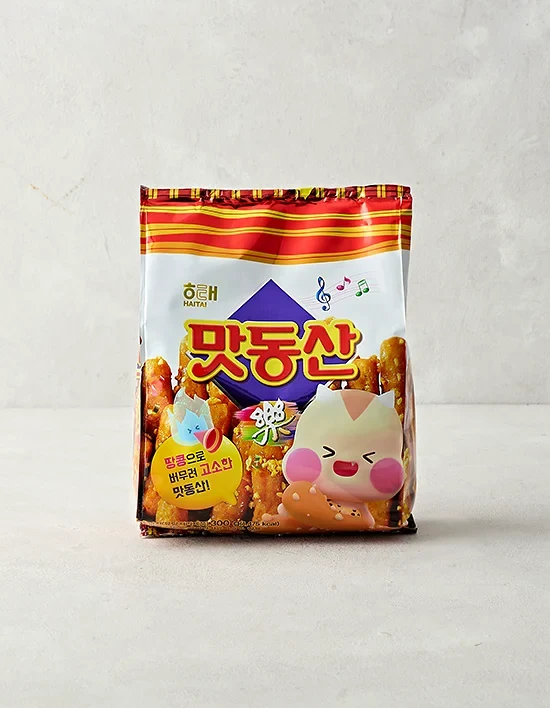
The dough for Matdongsan literally listens to Korean traditional music
It sounds like an ad joke, but it is part of the manufacturing story. Matdongsan is a fermented snack, and Haitai says it has used Korean traditional music during fermentation since 2010.
ABOUT 22 HOURS, IN TWO FERMENTATIONS
The dough goes through a long two-stage fermentation, unusual for a snack of this kind.
A PLAYLIST FOR THE DOUGH
Haitai has described a set of traditional-music tracks, including pieces such as Baennori and Frontier, used during fermentation.
WHY MUSIC?
The company says vibration can encourage yeast activity and help create the air pockets behind Matdongsan's texture.
View original artwork
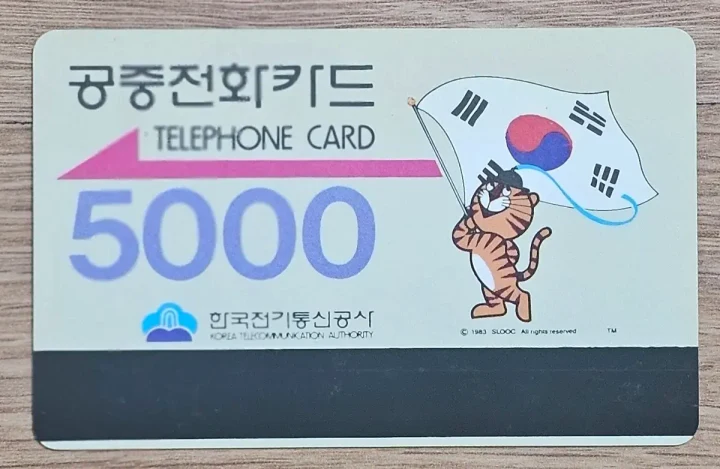
Before smartphones, some Korean couples ordered customized payphone cards with their names or wedding message and handed them to guests as a practical keepsake.
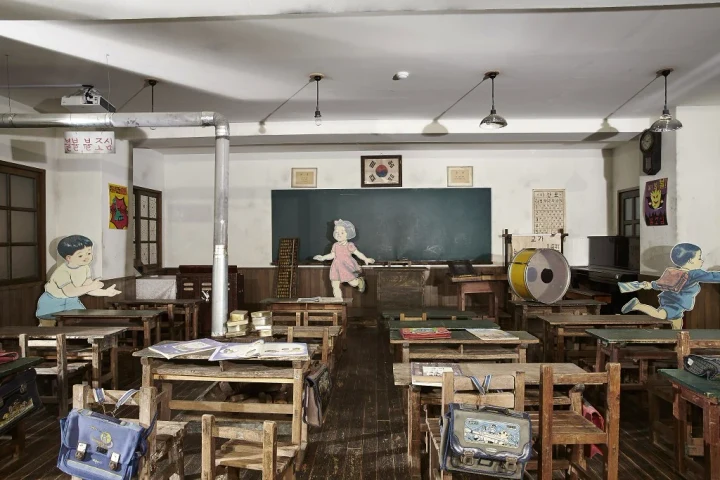
Cleaning time did not stop at sweeping. In many 1980s elementary schools, children pushed desks aside, crouched on wooden floors and polished them by hand with dry rags and solid wax.
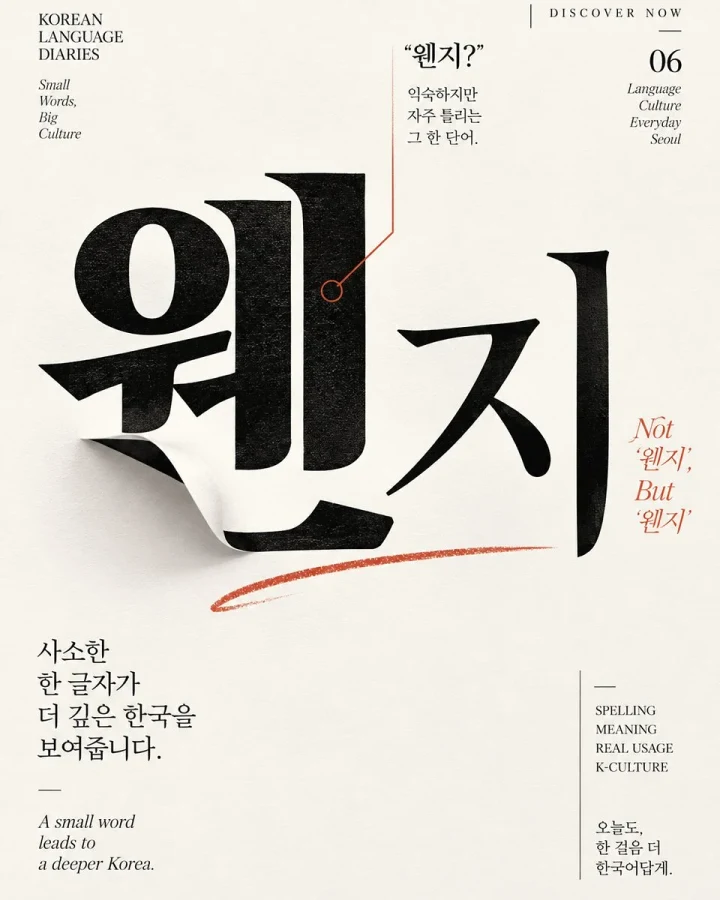
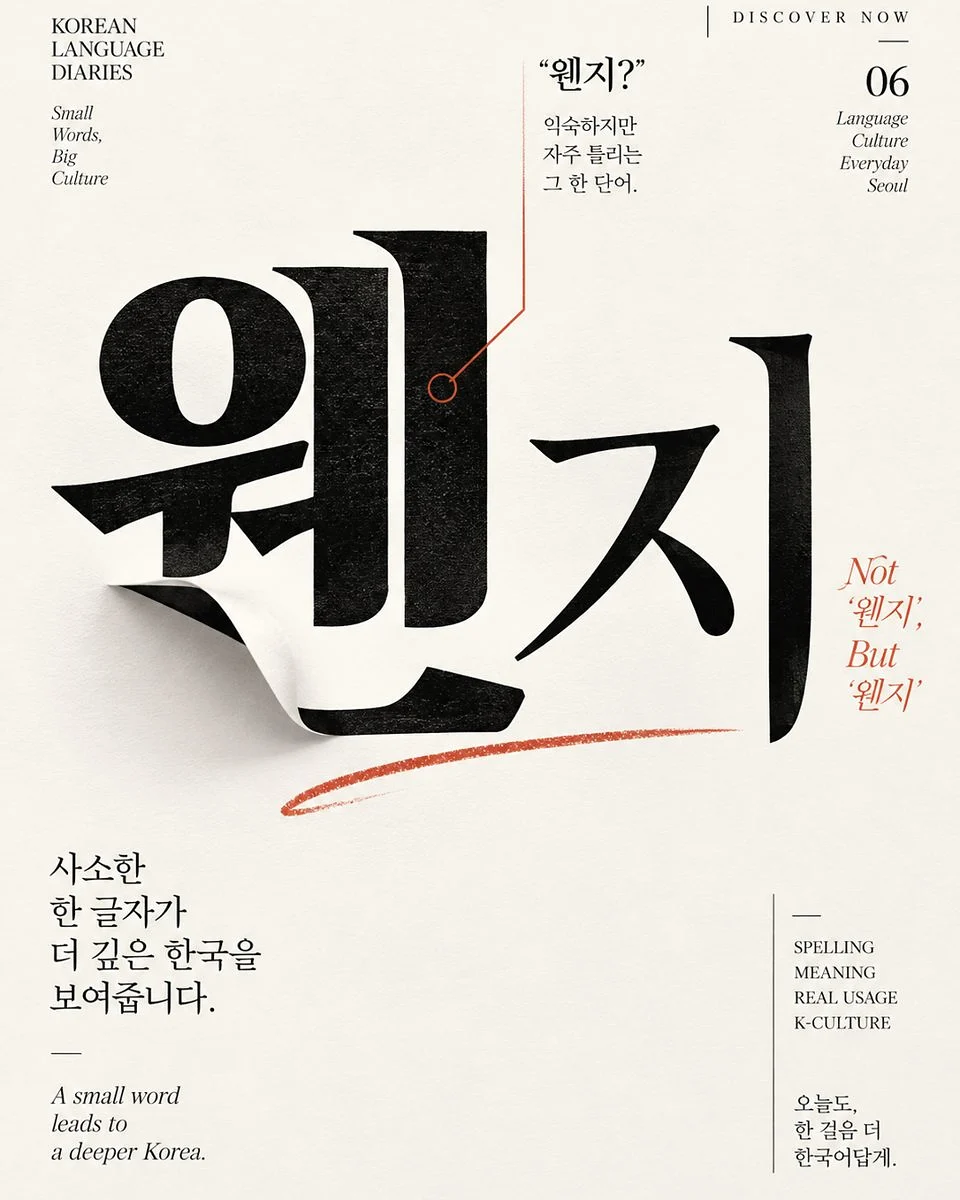
‘웬지’ may look tempting, but the standard spelling is ‘왠지’
Even native speakers hesitate over this one. The spelling becomes much easier once you know where the word came from.
THE CLUE IS 왜인지
왠지 is a contraction of 왜인지, meaning ‘for some reason.’
SO WHEN DO YOU USE 웬?
웬 modifies a noun with the sense of ‘what sort of / how come,’ as in 이게 웬일이야?
View original artwork
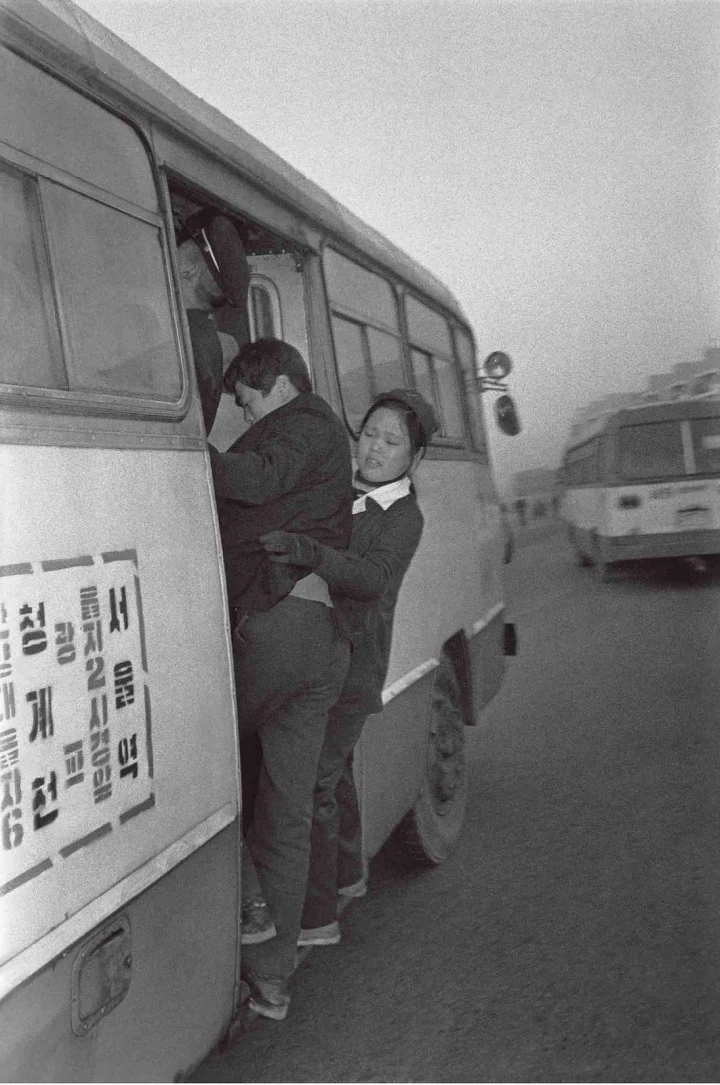
Why did Seoul bus conductors shout “Orai!” before departure?
In the 1970s and 1980s, bus conductors collected fares and managed boarding. After checking that passengers were aboard, they tapped the bus and called “Orai!” as the signal to leave.
WHERE THE WORD CAME FROM
Seoul’s city magazine traces orai to a Japanese-style rendering of the English phrase “all right.”
WHY IT DISAPPEARED
From 1982, automated stop announcements, bells, doors and self-service fare collection gradually replaced the conductor’s role.
View original artwork
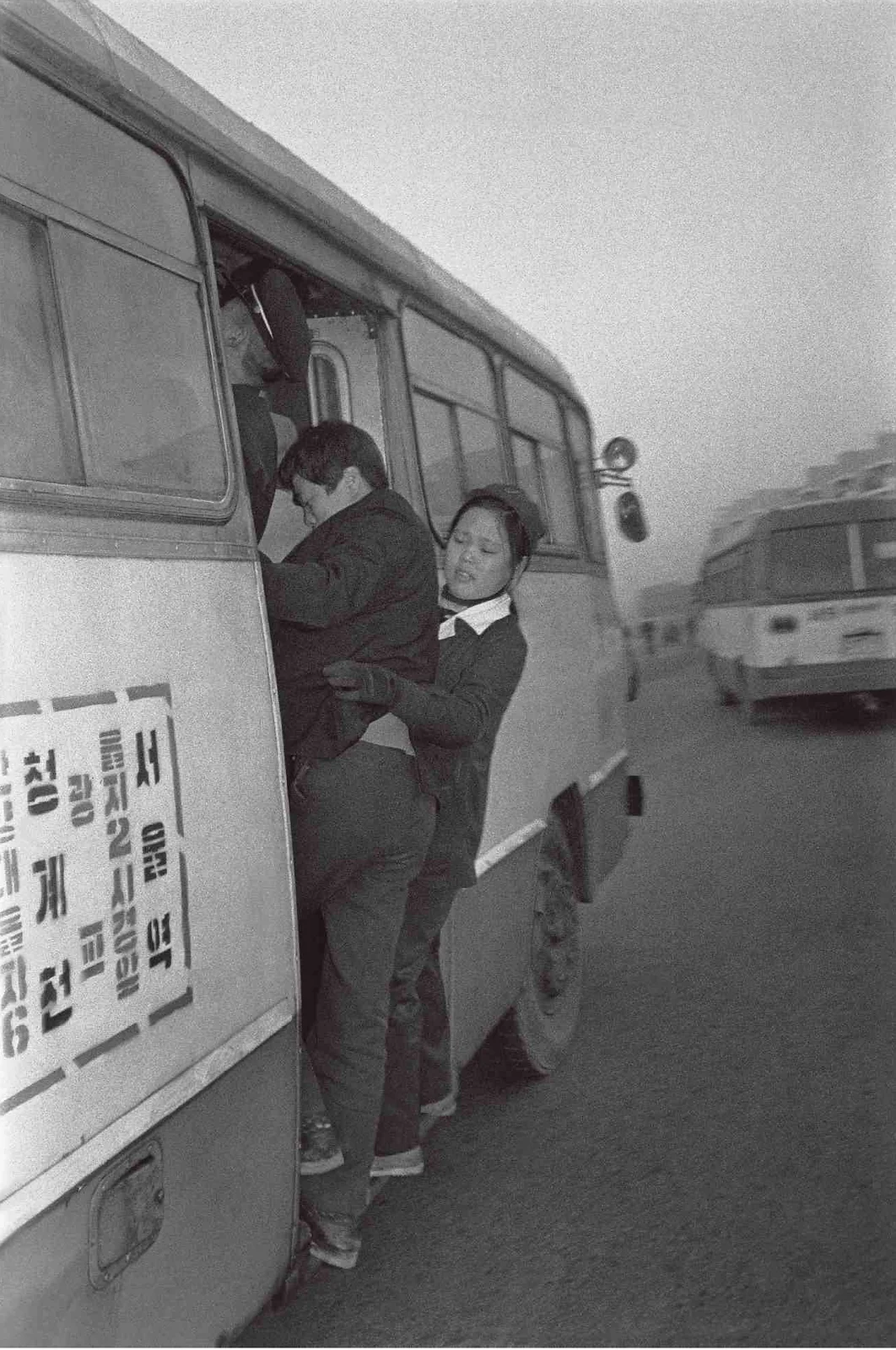
Starting in February 1969, Seoul operated 20 municipal buses specifically for students struggling with school commutes. They were part of the city’s public-transport system, not private school shuttles.
Stories for this topic are being prepared.