
From sticker sheets to four-cut photos: Korea’s shared picture ritual
Sticker photos once divided among friends and pasted into diaries have given way to four-cut prints that come with QR downloads. Newspaper reports from 1997, a 1999 diary and real photographs from Seoul in 2001 and Busan in 2024 trace how Korea’s self-photo culture has changed.
Seoul 2001, Busan 2024
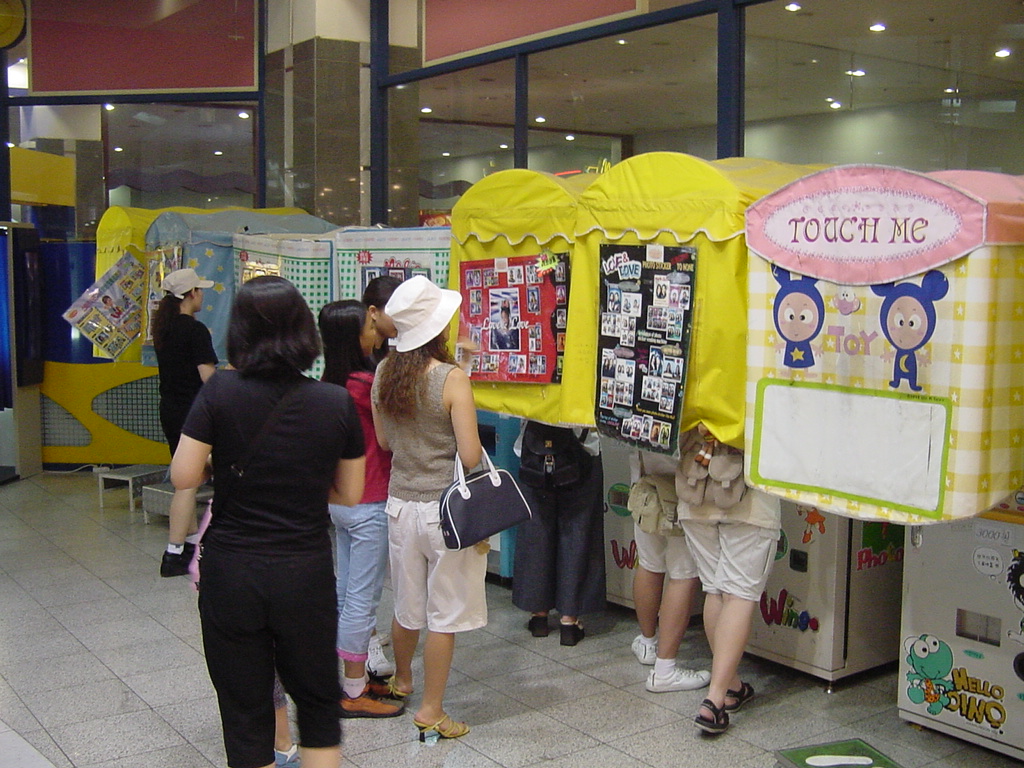
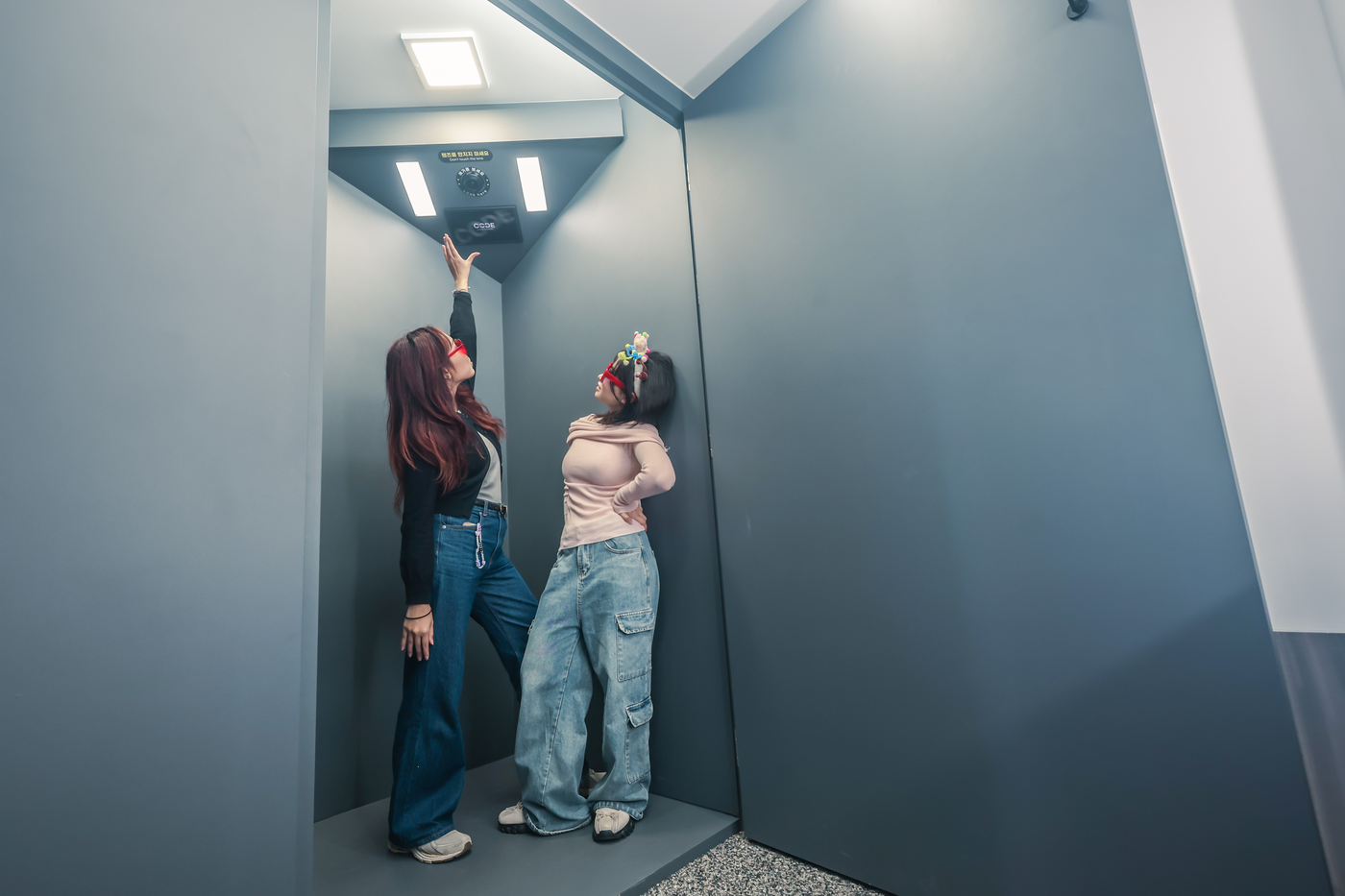
A photograph taken in Seoul in 2001 shows a row of booths with bright yellow curtains. People wait or look over their pictures outside, and sample layouts cover the machines. A Busan archive photograph produced in 2024 shows people standing beneath a high-mounted camera, posing around the room.
The older picture, taken on 19 July 2001, is an actual photograph, not a reconstruction of the 1990s. The Busan archive lists its material as produced in October 2024; it does not show the shop as it is in 2026. The two images come from different locations.
2,000 won in 1997
Electronic Times reported in 1997 that imported Japanese sticker-photo machines arrived in Korea in 1995. Its 22 November article described paying 2,000 won, choosing a celebrity or character background and receiving a sticker in about 30 seconds. Those figures reflect the report at the time.
Friends stepped into a chosen setting together and walked away with something they could hold. Looking at the screen together and waiting for the print were part of the fun.
Pictures in diaries
Seoul’s Museum of Everyday Life holds a 1999 diary, object 001075, donated by Kim Hye-rim. The museum’s description records friends sharing sticker photographs and decorating their diaries with them.
Koreana’s Autumn 2023 issue also recalls cutting adhesive photo sheets into individual pictures, keeping them in wallets and diaries, and scanning some for Cyworld. Paper photos and online sharing overlapped early on.
Stickers and four-cut layouts
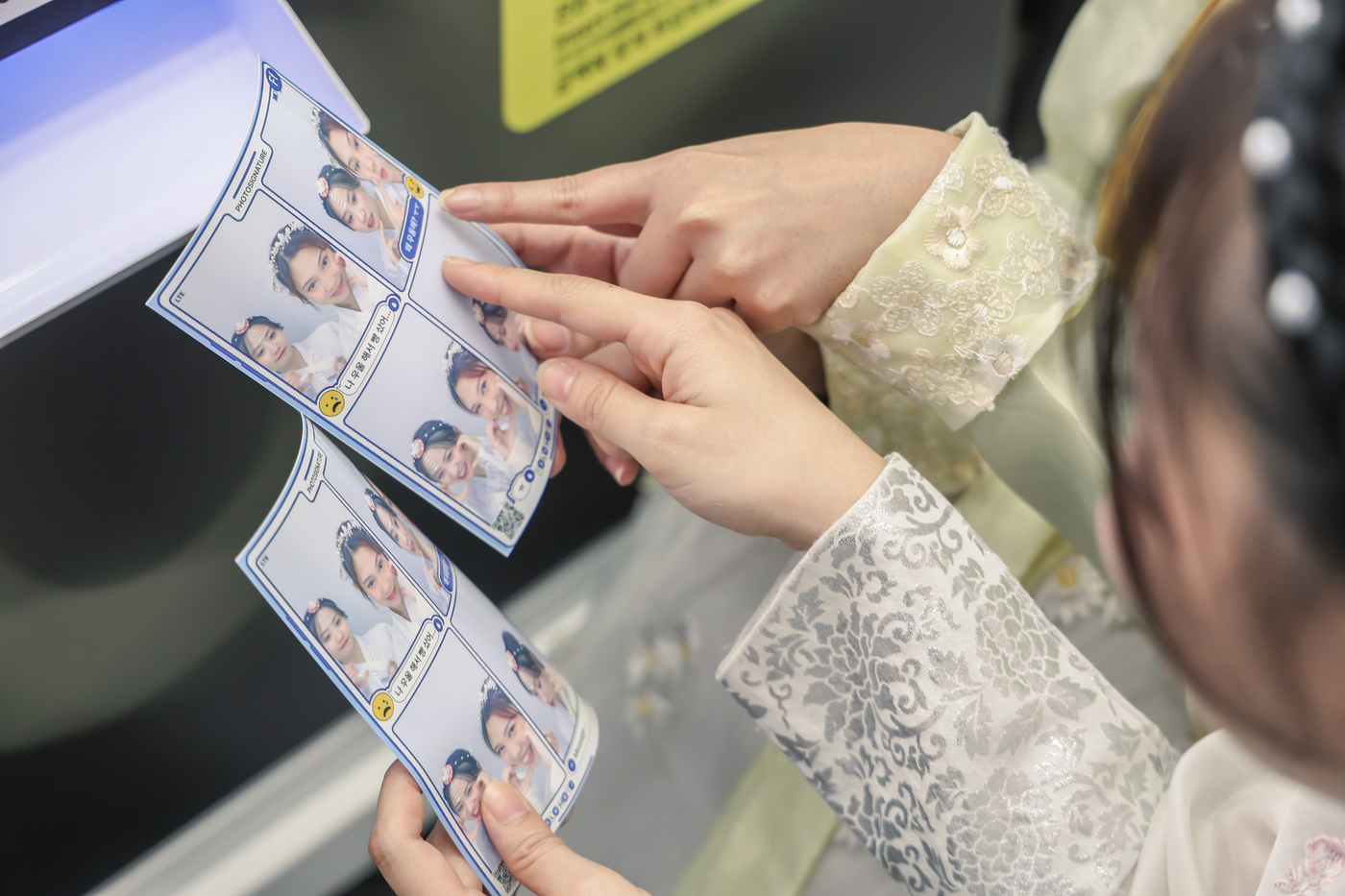
The samples on the 2001 booths gather small pictures in several layouts. A close-up of the modern Cheongsapo print shows two matching sheets, each arranging four pictures in a two-by-two grid. A four-cut photo is not always a narrow vertical strip.
Frame size, the gaps between pictures, border colour and the position of text all shape how the expressions read as a sequence. The modern photograph does not show whether the paper has an adhesive backing. “Sticker” describes a material and “four-cut” a layout, so the terms are not interchangeable.
From backgrounds to props and poses
Elaborate backgrounds were a feature of early sticker photos. A Donga report dated 8 February 1999 described movie-poster and magazine-cover backgrounds and machines for upper-body and full-body shots. Varied poses and framing are not new.
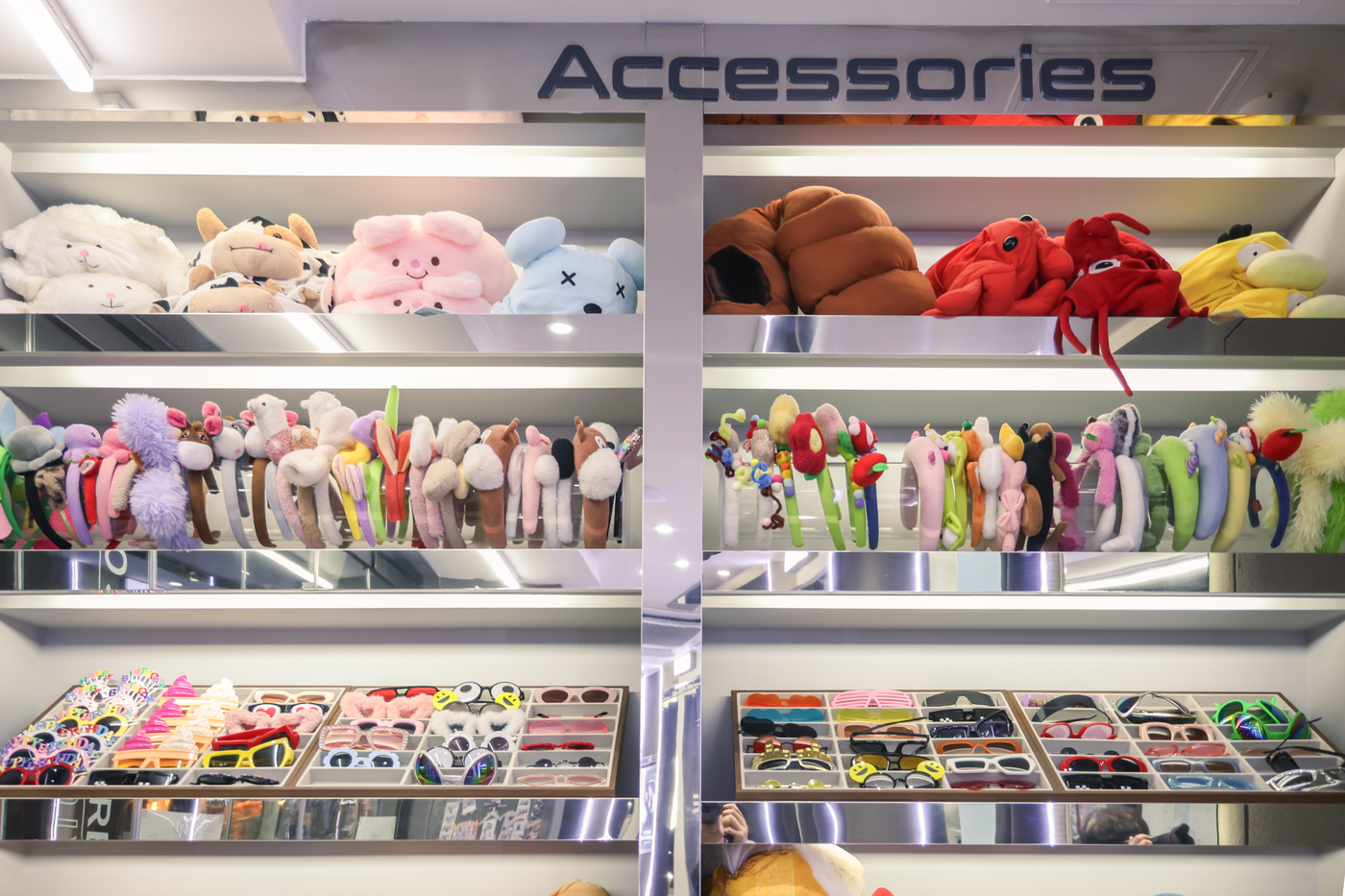
In the Cheongsapo archive, shelves hold headbands, hats and glasses, and another image shows people turning their arms and bodies beneath a high camera. The machine carries CODE lettering and the print PHOTO SIGNATURE branding. The archive’s generic “인생네컷체험” title does not identify either as a Life4Cuts outlet.
QR downloads
Life4Cuts’ official site includes app, frame, pose and QR guides. According to its QR instructions, customers select the option when shooting, then scan the printed code to download the image and a video of the session. The posted download window is three days including the shooting date; other operators may set different terms.
A print keeps the chosen expressions; a video keeps the movement in between. Anyone posting faces or video of others should ask those pictured first.
Before the shoot
Planning a simple sequence — an everyday expression first, a glance at each other second, the same hand gesture third and a free choice last — makes the differences between frames easier to see. Props work best when they leave faces visible.
Frames, camera angles, number of copies, prices, QR options and extra prints vary by shop and machine, so the screen in front of you is the reliable guide. Props go back on the shelf afterwards, and nearby customers should be kept out of the frame.
A picture to keep
What links the 2001 booths and the 2024 prints is not a machine or a design but the short time spent looking at a screen together, choosing expressions and dividing the results. A sticker in a diary and a four-cut sheet with its digital file are two ways of returning to that moment.
Every photograph here is real and dated. The sample layouts are part of the original booth scene, not newly scanned personal sticker prints from the 1990s. The 1999 diary is described through the museum’s text because reuse permission for its image could not be established.
Sources & context
2026-10-13T13:30:36.391Z
etnews.com ↗etnews.com ↗kids.donga.com ↗Seoul Museum of Urban Life ↗Korea Foundation ↗lifefourcuts.com ↗lifefourcuts.com ↗Alex C / Wikimedia Commons ↗archive.visitbusan.net ↗archive.visitbusan.net ↗archive.visitbusan.net ↗Creative Commons ↗KOGL ↗Sticker-photo booths and mounted sample layouts in Seoul, 19 July 2001. This was not photographed in the 1990s. Photo: Alex C, “Photo booth in South Korea, 2001.jpg”. CC BY 2.0. Source/terms: https://commons.wikimedia.org/wiki/File:Photo_booth_in_South_Korea,_2001.jpg · https://creativecommons.org/licenses/by/2.0/. Supplied file copied unchanged. The card uses centred cropping; enlarge to see the full photograph.
Posing beneath a high-mounted camera in Cheongsapo, Busan. Archive production date: 1 October 2024; exact capture date unconfirmed. CODE lettering appears on the machine. Photo: 하이픈그룹 / 부산관광공사 글로벌마케팅팀 / 부산관광아카이브, “인생네컷체험 · METADATA013266”. KOGL Type 1. Source/terms: https://archive.visitbusan.net/dataSearch/view.nm?dataSid=METADATA013266 · https://www.kogl.or.kr/info/licenseType1.do. Supplied file copied unchanged. The card uses centred cropping; enlarge to see the full photograph.
Actual PHOTO SIGNATURE-branded prints in Cheongsapo. Two matching sheets each arrange four pictures in a two-by-two grid. Archive production date: 1 October 2024; exact capture date and adhesive backing unconfirmed. Photo: 하이픈그룹 / 부산관광공사 글로벌마케팅팀 / 부산관광아카이브, “인생네컷체험 · METADATA013257”. KOGL Type 1. Source/terms: https://archive.visitbusan.net/dataSearch/view.nm?dataSid=METADATA013257 · https://www.kogl.or.kr/info/licenseType1.do. Supplied file copied unchanged. The card uses centred cropping; enlarge to see the full photograph.
Headbands, hats and glasses for a Cheongsapo self-photo experience. Archive production date: 1 October 2024; exact capture date unconfirmed. Photo: 하이픈그룹 / 부산관광공사 글로벌마케팅팀 / 부산관광아카이브, “인생네컷체험 · METADATA013261”. KOGL Type 1. Source/terms: https://archive.visitbusan.net/dataSearch/view.nm?dataSid=METADATA013261 · https://www.kogl.or.kr/info/licenseType1.do. Supplied file copied unchanged. The card uses centred cropping; enlarge to see the full photograph.
Four real source photographs and two clearly labelled side-by-side editorial layouts. Seoul was photographed in 2001; Busan material was produced in 2024. These are neither 1990s reconstructions nor 2026 site photographs or AI-generated images.