
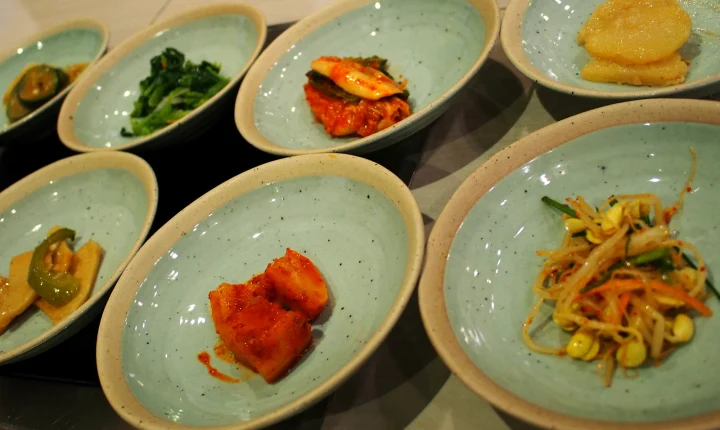
Order a meal at many Korean restaurants and small dishes of kimchi, seasoned vegetables and pickles arrive alongside it. These are banchan. Refills are common, but the selection and refill policy vary by restaurant.
Korean Culture Explained: Life, History, Music & Language | NowHitz · 10
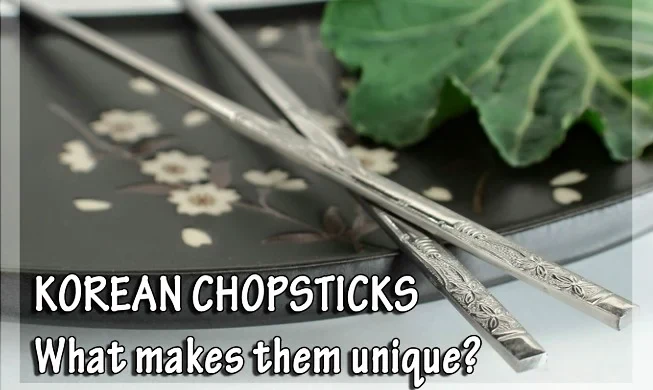
At a Korean meal, metal chopsticks usually sit beside a long-handled spoon. The spoon is commonly used for rice and soup, while chopsticks are used for side dishes.
Spread out a picnic mat at a Hangang park and order fried chicken or tteokbokki. Collect your food at a designated delivery pickup area, then settle in by the river.
Tmoney Co. was established in 2003 as part of Seoul’s public-transport reform. Its work began with collecting fares and settling payments between transport operators, rather than creating a card specifically for visitors.
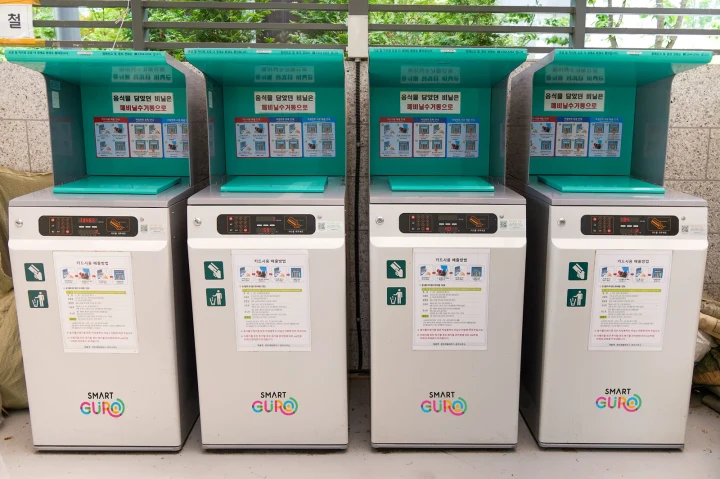
At apartment complexes with RFID food-waste bins, residents tap a household card before disposing of food waste. The machine weighs it, and the resulting fee can be included in the household’s management bill.
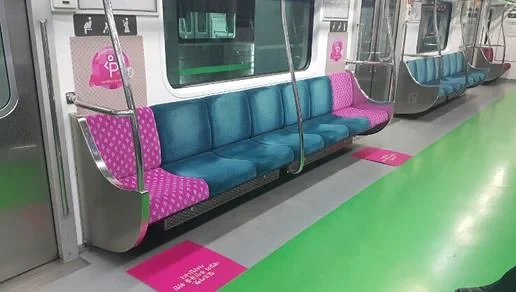
In 2015, Seoul introduced a more visible pink design for pregnancy-priority seats on the subway. Earlier signs could be hidden by a seated passenger, so the new design helped keep the seat’s purpose clear even when it was occupied.
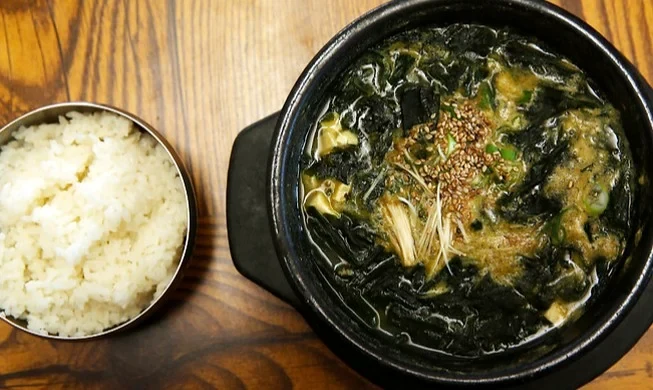
Miyeokguk, or seaweed soup, is a traditional Korean birthday dish. The custom is linked to its long association with food served to mothers after childbirth.
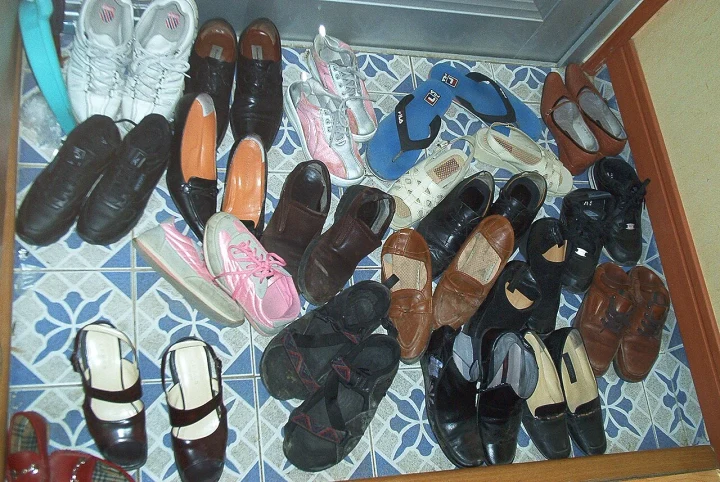
Taking off your shoes at the door is more than a rule of etiquette. Korea’s ondol floor heating helped shape a way of living in which people sat, ate and slept on the floor — making the floor itself part of the living space.
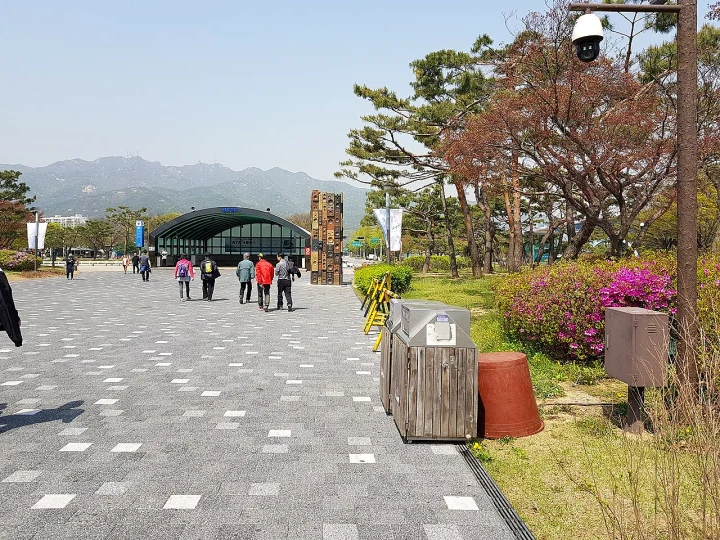
Walking around Seoul with an empty cup can sometimes turn into a small search mission. After Korea introduced pay-as-you-throw waste fees in 1995, household and business trash began appearing in public bins, and many street bins were removed.
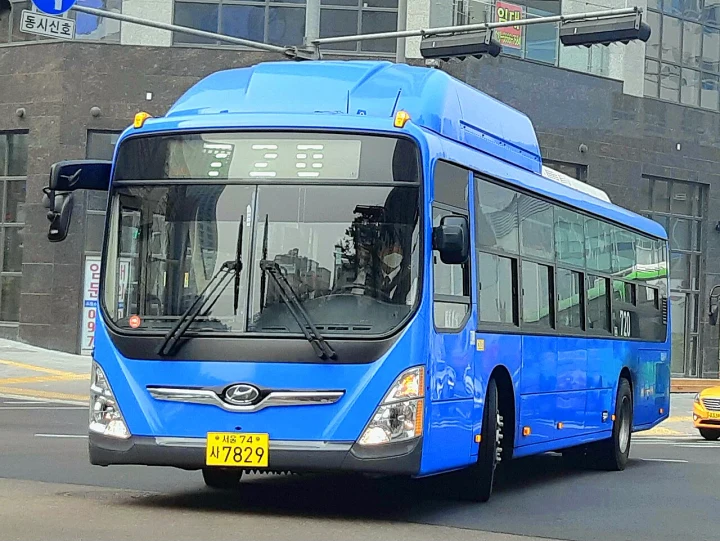
If you are new to Seoul, the second beep can feel odd: passengers tap when they board and again when they leave. The metropolitan transfer system uses the exit record to calculate distance-based charges and transfers.
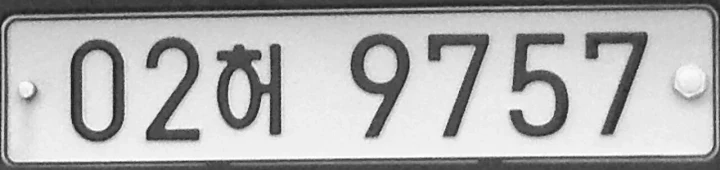
The Korean syllable in the middle of a license plate is not always random. Under Korea’s plate rules, rental-business vehicles use the syllables 허 (heo), 하 (ha) or 호 (ho).
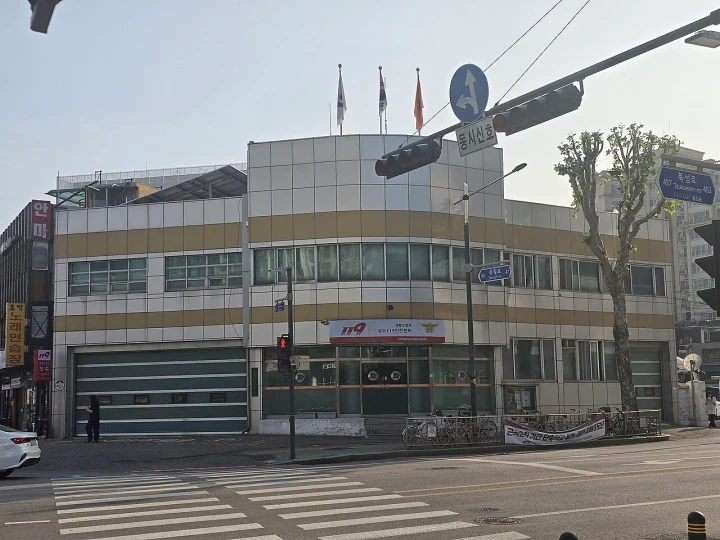
Today, 119 is the number Koreans associate with fires, rescues and medical emergencies. But the National Archives says it began as a fire-reporting number and gradually expanded as fire stations took on ambulance and rescue work.
Stories for this topic are being prepared.