Why a Korean moon jar is not a perfect circle
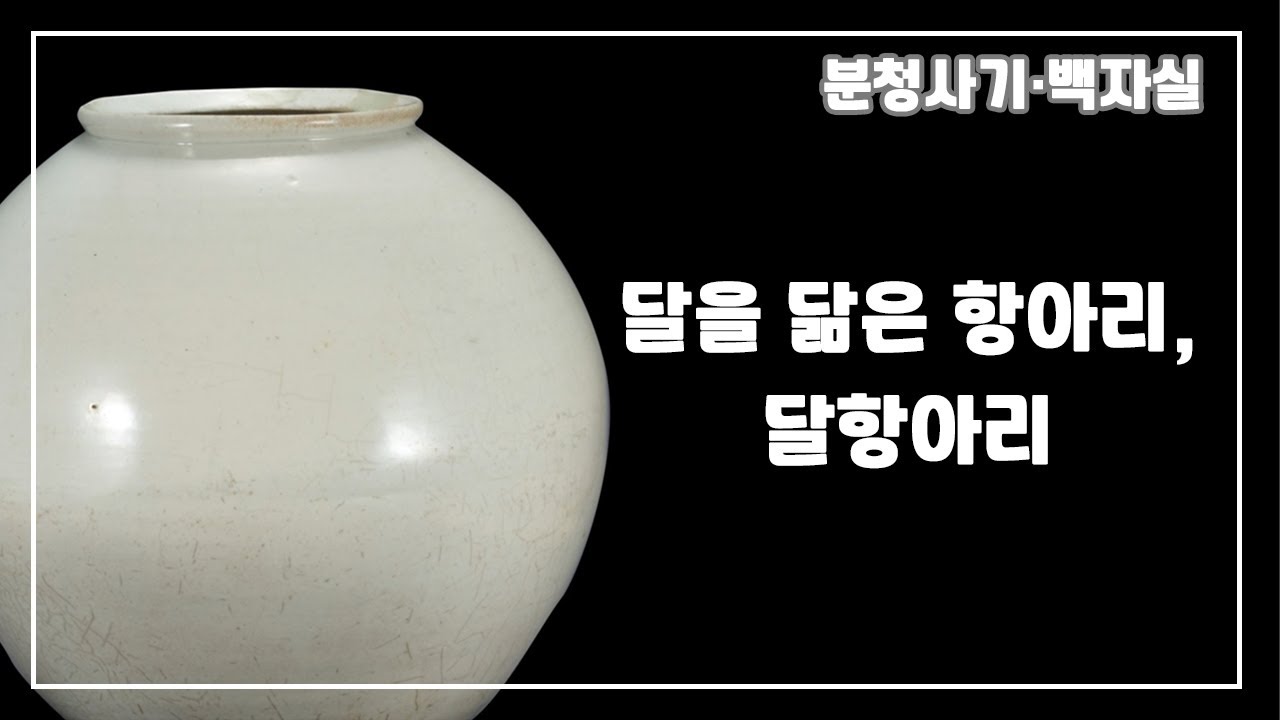
Joseon white-porcelain moon jars are round, but not mechanically perfect spheres. A slight lean, a soft white surface and a relaxed silhouette define the form.
Joseon white-porcelain moon jars are round, but not mechanically perfect spheres. A slight lean, a soft white surface and a relaxed silhouette define the form.

Joseon printing meant selecting and arranging individual pieces of metal type by hand. Tiny letters cast to print books for the state and royal court survive at the National Museum of Korea.

Silla’s horse-and-rider shaped pottery looks like a small sculpture, but its body is hollow. Liquid poured into a funnel at the back of the horse flows out through a spout at its chest.

Kim Kwang-seok made “Around Thirty” famous, but Kang Seung-won wrote both its lyrics and music. A KBS performance by Kang, Jeon In-kwon and Lee Chan-hyuk brings the song’s authorship back into view.
Several Seoul roads give more space to people than to cars on October 4. A street that pauses its usual function can change how the city looks.

“The Blue in You,” sung by Kim Hyun-chul and Lee So-ra, is the theme of a 1992 film. Two contrasting voices draw close and pull apart, holding the line between love and farewell in a blue-toned duet.

Kim Hyun-chul’s 1995 song “What’s Wrong?” turns the frustration of a partner’s silence into clipped, conversational lines over a light, funky groove.
October brings plenty of choices in Seoul. A good day need not mean more stops; it can mean giving one experience enough room.
You do not need to have lived through an era to feel at home in its music. Meet Eoneusae, a song from Jang Pil-soon’s 1989 solo debut. Bring your own memories; no knowledge of Korean music is required.
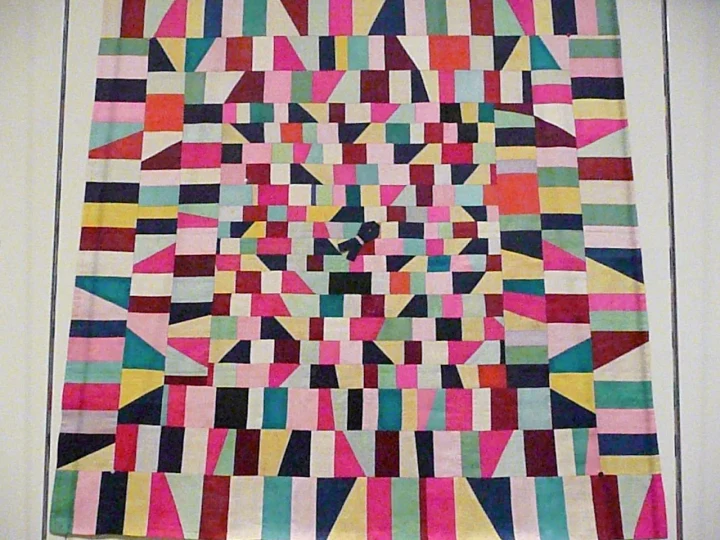
Bojagi is the Korean word for a wrapping cloth. A jogakbo is the patchwork kind, assembled from smaller pieces of fabric. A practical way to make use of cloth became a composition of colors, shapes and visible seams.
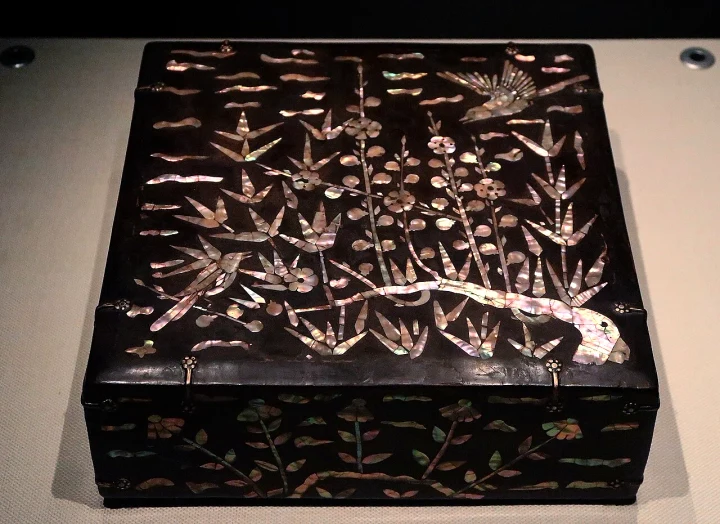
The luminous patterns on Korean najeonchilgi are made from carefully cut pieces of shell. Thin mother-of-pearl is shaped and arranged across lacquered objects, turning a natural material into fine decorative lines.
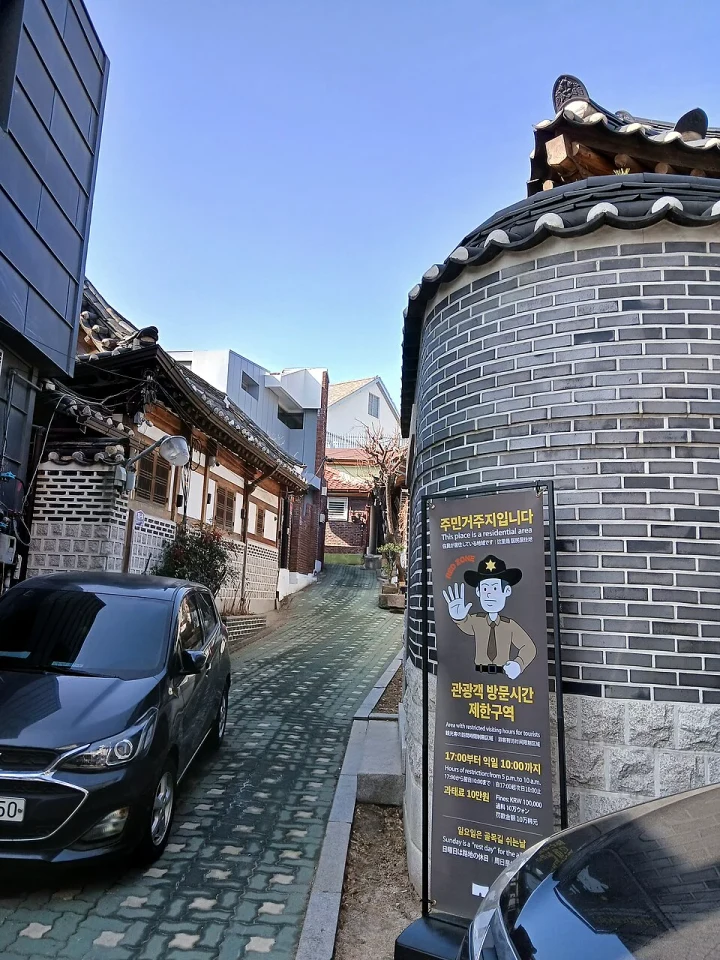
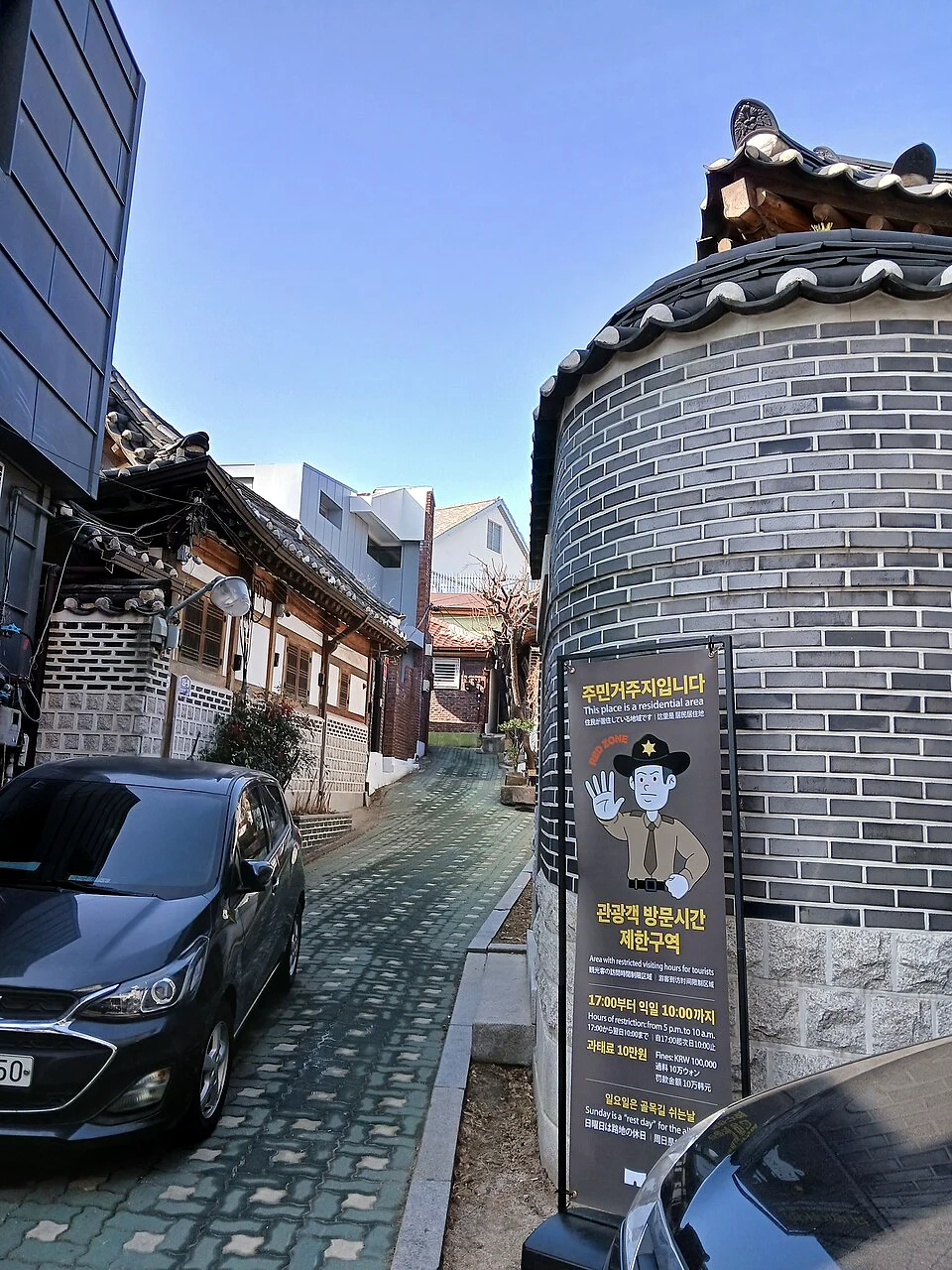
Hanok describes a traditional Korean house, but the name is newer than the building tradition. Seoul’s Hanok Portal explains that it emerged as Western-style architecture arrived, creating a need to distinguish familiar Korean houses from the new style.
Something familiar needed a separate label once a different kind of building appeared. The history of an architectural tradition and the history of its name are not necessarily the same.
Han refers to Korea, and ok means a house or building. ‘Traditional Korean house’ is a helpful starting point, but the label does not tell you when an individual house was built.