
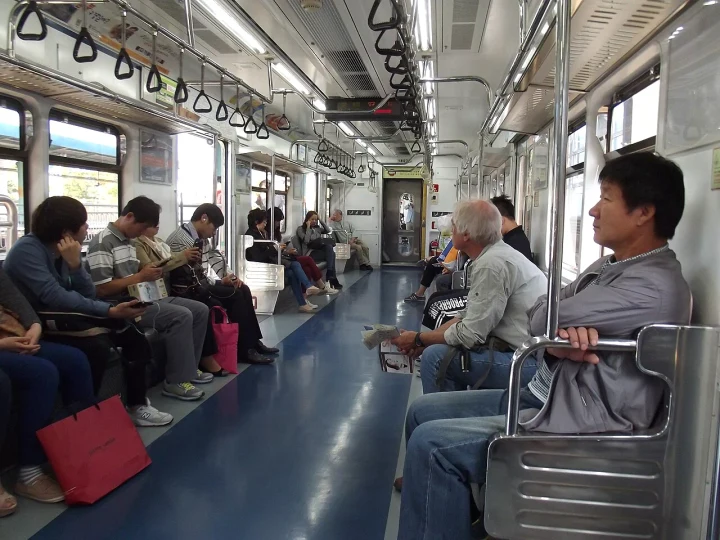
They are not broken A/C cars. Seoul Metro designates some cars as mild-air-conditioning cars for riders who feel cold easily. Its published data lists 24°C for regular cars and 25°C for mild A/C cars.
Korean Culture Explained: Life, History, Music & Language | NowHitz · 11
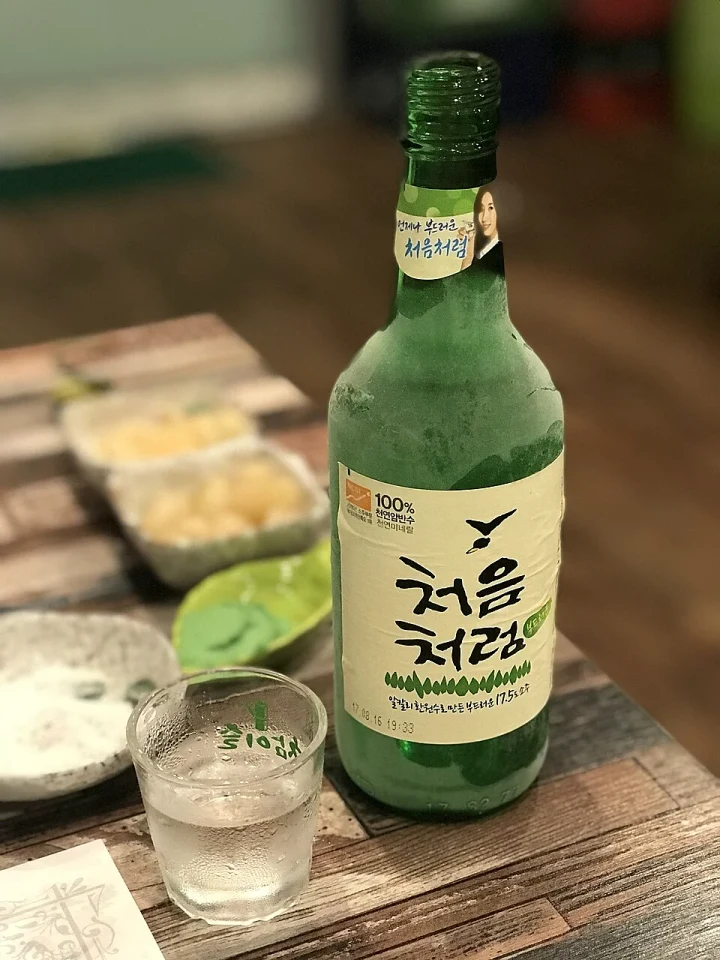
Why can an empty soju bottle get you money back at a Korean store?
You are not selling the glass. For eligible reusable bottles, a deposit is included when you buy the drink. Return the empty bottle to a retailer and the deposit is refunded.
A COMMON SOJU SIZE FALLS IN THE ₩100 BAND
Official deposit bands are ₩70 below 190 mL, ₩100 from 190 to under 400 mL, ₩130 from 400 to under 1,000 mL, and ₩350 from 1,000 mL up. A typical 360 mL soju bottle therefore falls in the ₩100 band when it is an eligible deposit bottle.
NOT EVERY GLASS BOTTLE QUALIFIES
Look for the reusable-bottle deposit marking. This is a return-and-reuse system for designated containers, not a cash reward for bringing in any piece of glass.
View original artwork
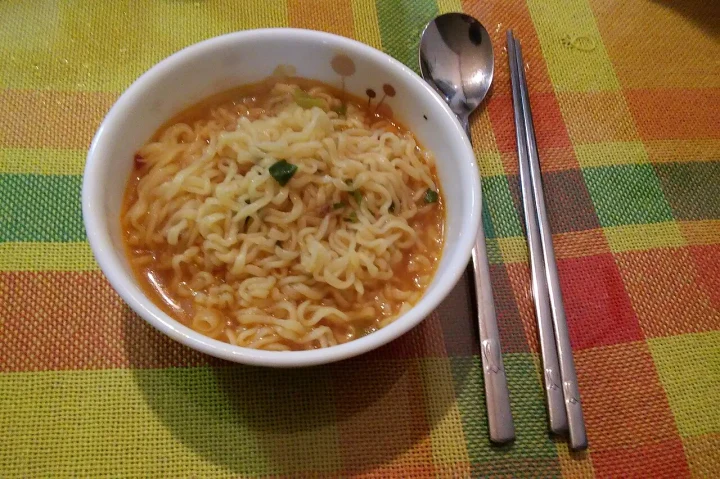
Sari originally refers to a wound bundle—or a counting unit for bundles—of long things such as noodles, rope or thread. On a restaurant menu, ramyeon-sari therefore means an extra portion or bundle of ramyeon noodles.
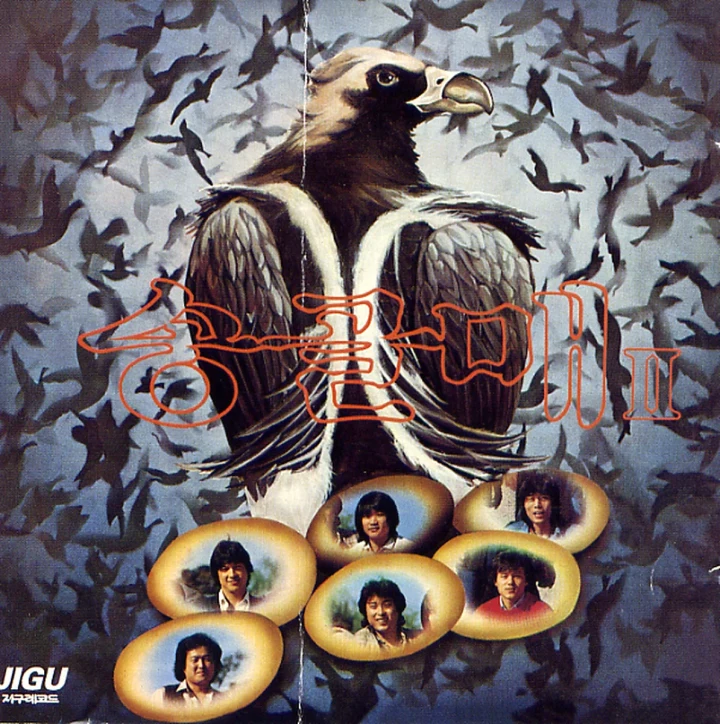
Songgolmae opened their 1982 second album with Eojjeoda Majuchin Geudae. Here, eojjeoda is best felt as ‘by chance’ or ‘happened to,’ not simply ‘somehow.’ Knowing that small nuance makes the title—and the sudden encounter at the center of the song—much clearer.
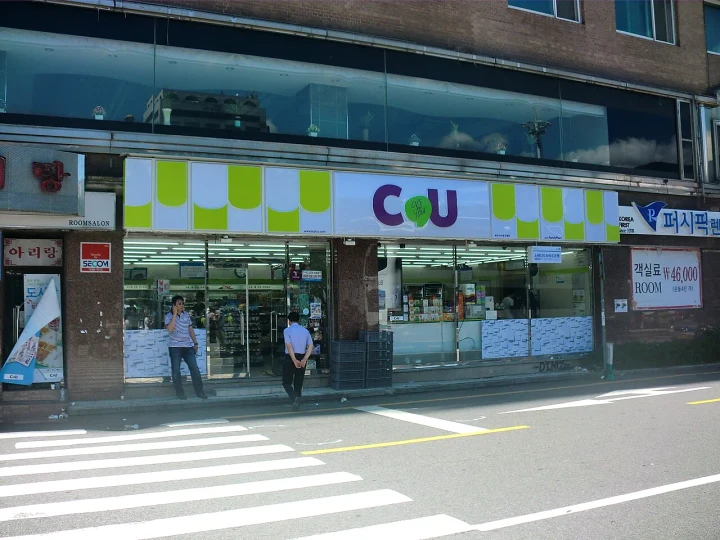
Those two letters seen all over Korean streets carry a double meaning. CU’s official brand story says the name abbreviates “CVS for YOU” while deliberately echoing the English phrase “see you.”
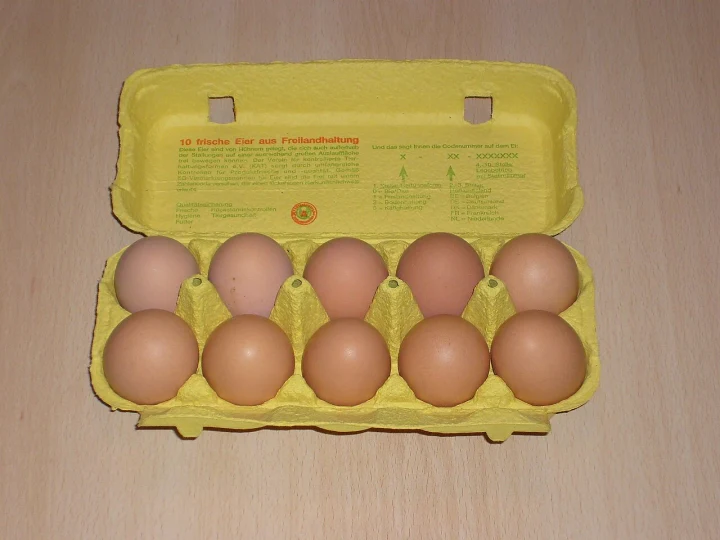
Look closely at an egg sold in Korea and you may find a 10-character code stamped on the shell. It is not a random factory number: it combines the laying date, producer ID and the hen’s rearing environment.
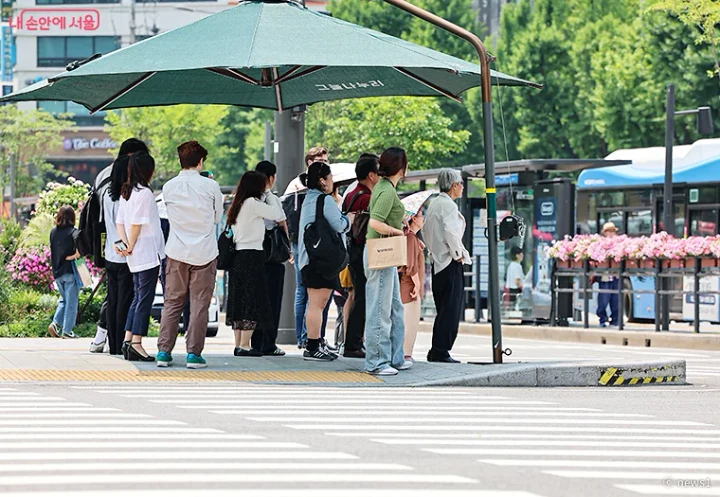
The large fixed umbrellas you see beside Seoul crosswalks in summer are heat-mitigation infrastructure, not café furniture. They are placed where pedestrians have to stand in direct sun while waiting for the signal.
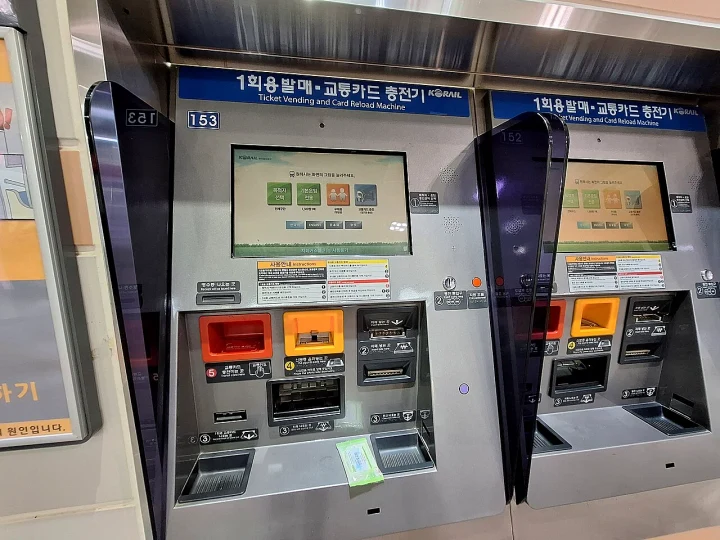
When you buy a single-use card for the Seoul metropolitan subway, the machine adds ₩500 on top of the fare. That money is a refundable deposit designed to get the reusable card back. Insert the card into the refund machine after your trip and the ₩500 is returned.
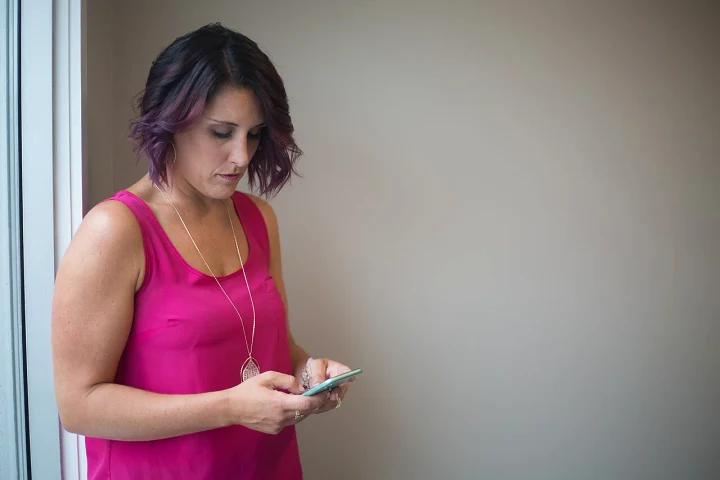
Even native Korean speakers mix these up in texts because 왠 and 웬 sound very similar. 왠지 is a contraction of 왜인지, roughly “for some reason,” while 웬 is a determiner meaning something like “what kind of” or “how come this…?”
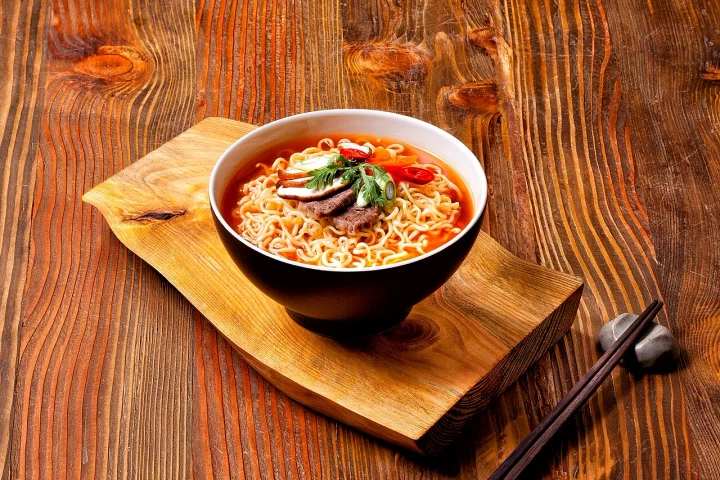
The oversized Chinese character 辛 on Shin Ramyun means “spicy.” When the product launched in 1986, however, printing that character larger than the Korean product name ran into Korea’s food-labeling rules.
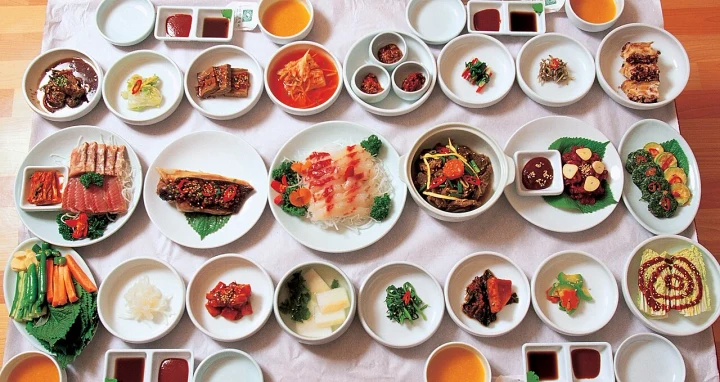
If servers do not keep circling your table in Korea, nothing is wrong. In many restaurants, the call button on the table is how you signal that you are ready to order or need help.
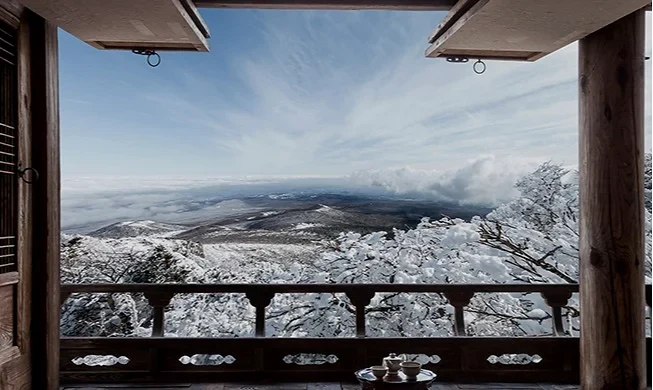
Many Korean apartments carry forward the basic idea of ondol, Korea’s traditional underfloor heating. Instead of sending hot smoke beneath stone floors, modern systems usually circulate boiler-heated water through pipes under the floor.
Stories for this topic are being prepared.