Jeonpo Coffee Festival marks a decade of Busan café lanes, Oct. 17–18
The 10th Jeonpo Coffee Festival runs October 17–18 around Jeonpo Café Street in Busan’s Busanjin district, a former tool and hardware district where cafés began opening after 2010. Local cafés, booths with baristas from Japan, Taiwan and elsewhere, brewing classes and live music are on the program. Entry is free.
From tool shops to cafés
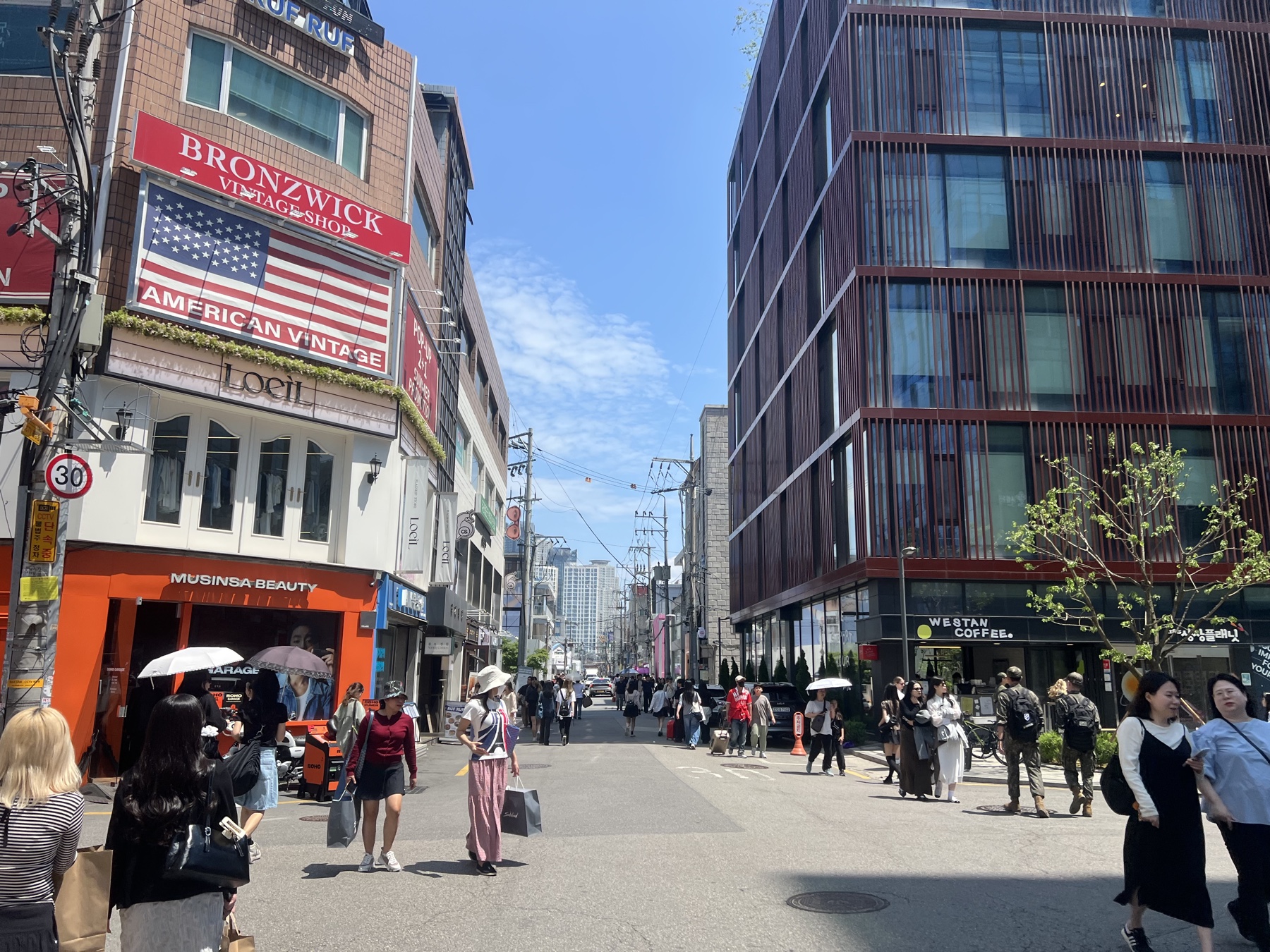
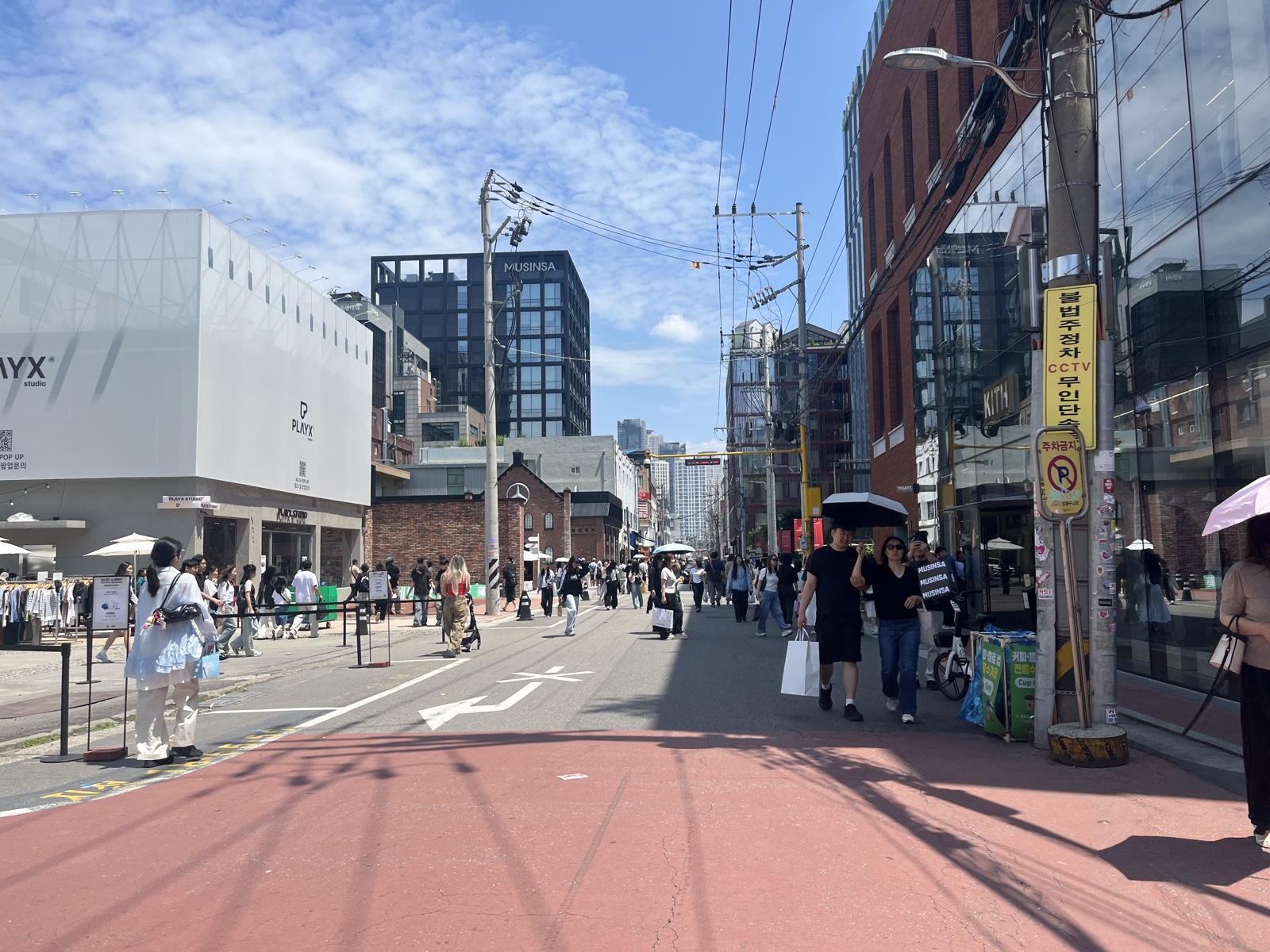
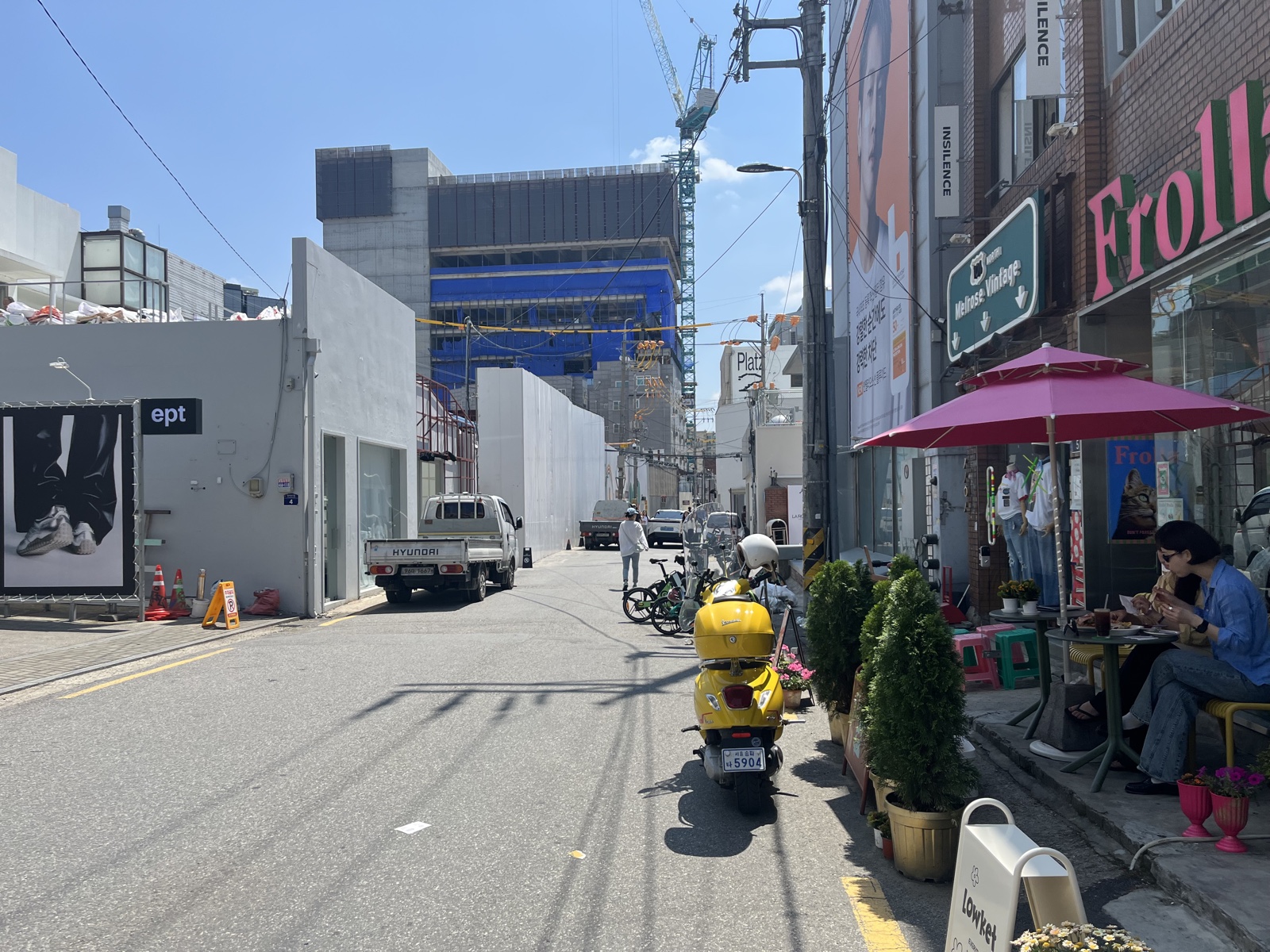
The Korea Tourism Organization describes Bujeon-dong and Jeonpo-dong as an area once known for shops selling tools, hardware and industrial supplies. Small cafés began arriving after 2010, and the area became known as Café Street.
Visit Busan notes that tool shops still operate alongside cafés and restaurants.
Dates and hours
This year’s festival, themed ‘커피로 잇는 전포의 10년’ (“ten years of Jeonpo connected by coffee”), runs October 17 and 18 around Jeonpo Café Street.
According to Busanjin-gu’s official notice, hours are noon to 8 p.m. on Saturday and noon to 6 p.m. on Sunday. The opening ceremony is at 4 p.m. on October 17 on a temporary stage beside Norimaru’s main gate. Sunday closes two hours earlier than Saturday.
The poster attached to the district notice gives the venue as Jeonpo Café Street around Jeonpo Norimaru, with the merchants’ associations of Jeonpo Café Street, Jeonpo Gongu-gil (tool street) and Jeonpo Saitgil cooperating. Busanjin-gu posted a 26-second promotional video on its official YouTube channel on October 7.
YouTube · 부산진구 ↗
Overseas and market booths
Coffee and dessert vendors from Jeonpo and the wider Busan area will be joined by booths for invited baristas from Japan, Taiwan and elsewhere. Kookje Shinmun and other outlets reported that the overseas booths will feature coffee from Japan, Taiwan, Costa Rica and Ethiopia. The district notice also lists market booths.
Origins and roasts vary by booth, and no single origin or flavor is offered everywhere; each booth’s menu lists what it serves.
Classes and seminars
The Korea Tourism Organization lists hand-drip sessions, master brewing classes and barista seminars in this year’s program. Its festival page, updated September 30, also lists a coffee seminar, a ‘Coffee Golden Bell’ quiz, and hands-on booths for caricatures and hand-drip brewing classes.
As of the evening of October 15, session times, fees and sign-up methods had not been posted on official channels. The festival office can confirm times, capacity and fees.
Music and events
Busanjin-gu has announced Jeonpo Brewing Radio, Jeonpo Live Festa and a stamp tour. Kookje Shinmun also reported a Jeonpo Music Lounge and an event using receipts from local businesses.
The district notice lists a stamp tour, a ‘Black and White Barista’ event and a roulette game, and the Korea Tourism Organization page adds an auction. Participating shops and conditions for the stamp and receipt events will be posted on site.
Places nearby
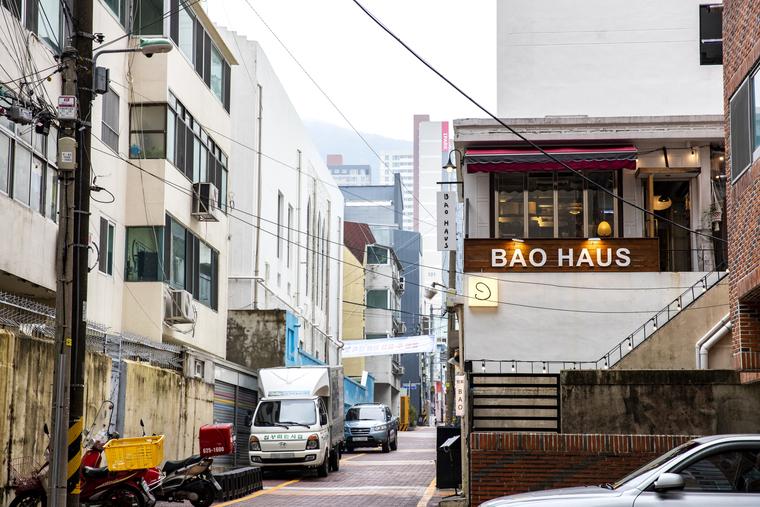
Bao Haus (62-9 Seojeon-ro 38beon-gil), a MICHELIN Bib Gourmand, serves Taiwanese bao and lu rou fan and does not take reservations. Cor Pasta Bar (2F, 13 Dongseong-ro 25beon-gil), also a Bib Gourmand, serves house-made pasta at an open-kitchen counter and requires one drink per person.
Cafés featured by Visit Busan include Fruto Fruta (28 Jeonpo-daero 224beon-gil) for peach smoothies and melon shakes; Cafe Haian (62-4 Seojeon-ro 46beon-gil), known for a ‘brick cake’ cracked open with a small mallet; and Sa, Yeobaek, Chatjan (20 Seojeon-ro 67beon-gil), a café styled like an old stationery shop that serves old-fashioned patbingsu. Expect crowds and possible changes to opening hours during the festival.
Getting there and contacts
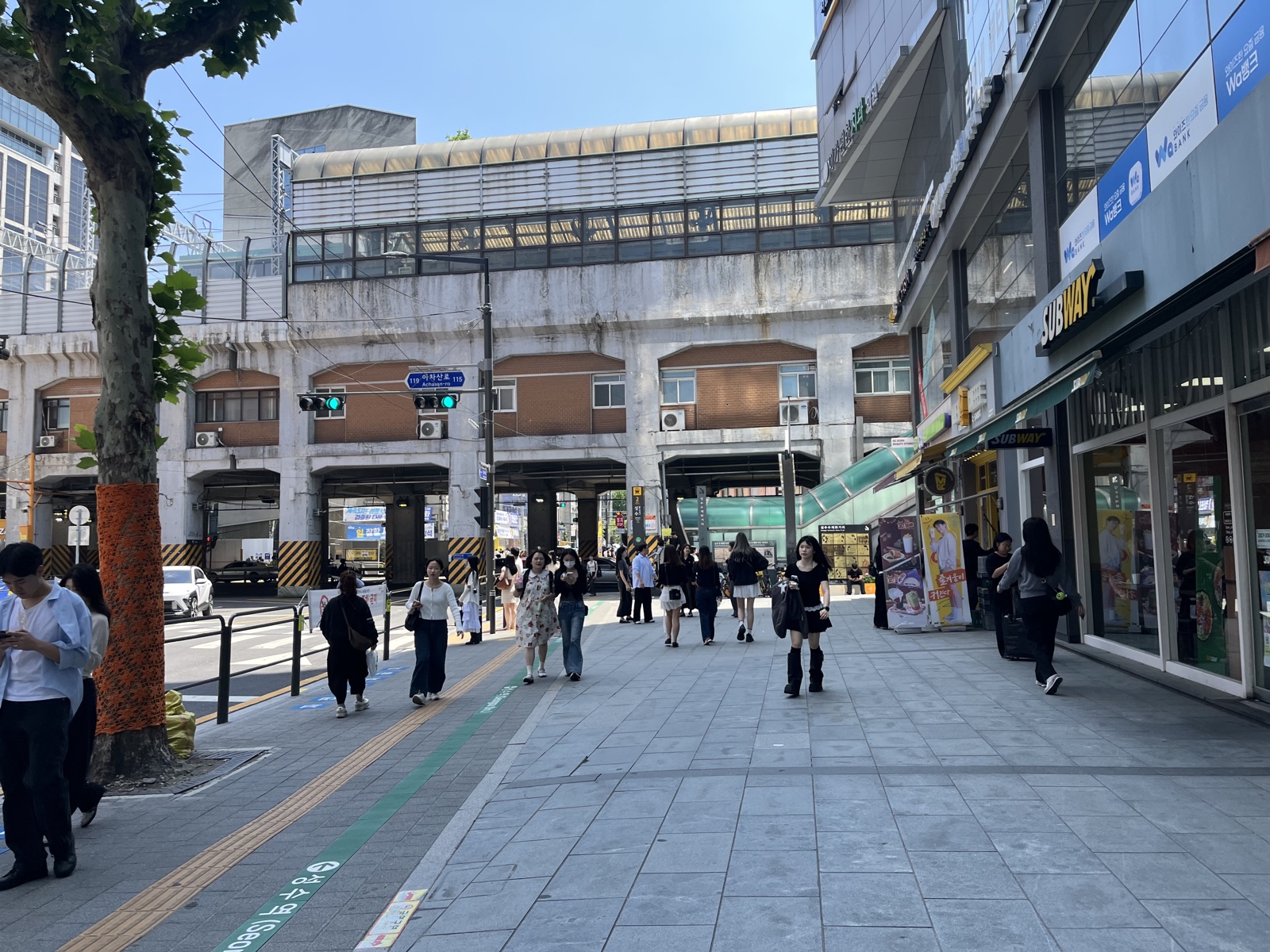
The festival covers the area around Jeonpo-daero 209beon-gil in Busanjin-gu. Visit Busan gives 26 Jeonpo-daero 209beon-gil (부산 부산진구 전포대로209번길 26) as the Café Street address, a six-minute walk from Exit 7 of Jeonpo Station on Metro Line 2.
Entry is free; drinks and desserts at booths are paid separately. The organiser, at 051-605-4522, can answer questions about class fees and booking, overseas phone numbers and cards, English or Japanese assistance, and accessibility.
As of the evening of October 15, Busanjin-gu, the Korea Tourism Organization and Visit Busan had not announced road closures, shuttle buses or a wet-weather plan. Public transport is the simplest option.
Sources & context
2026-10-15T13:16:38.797Z
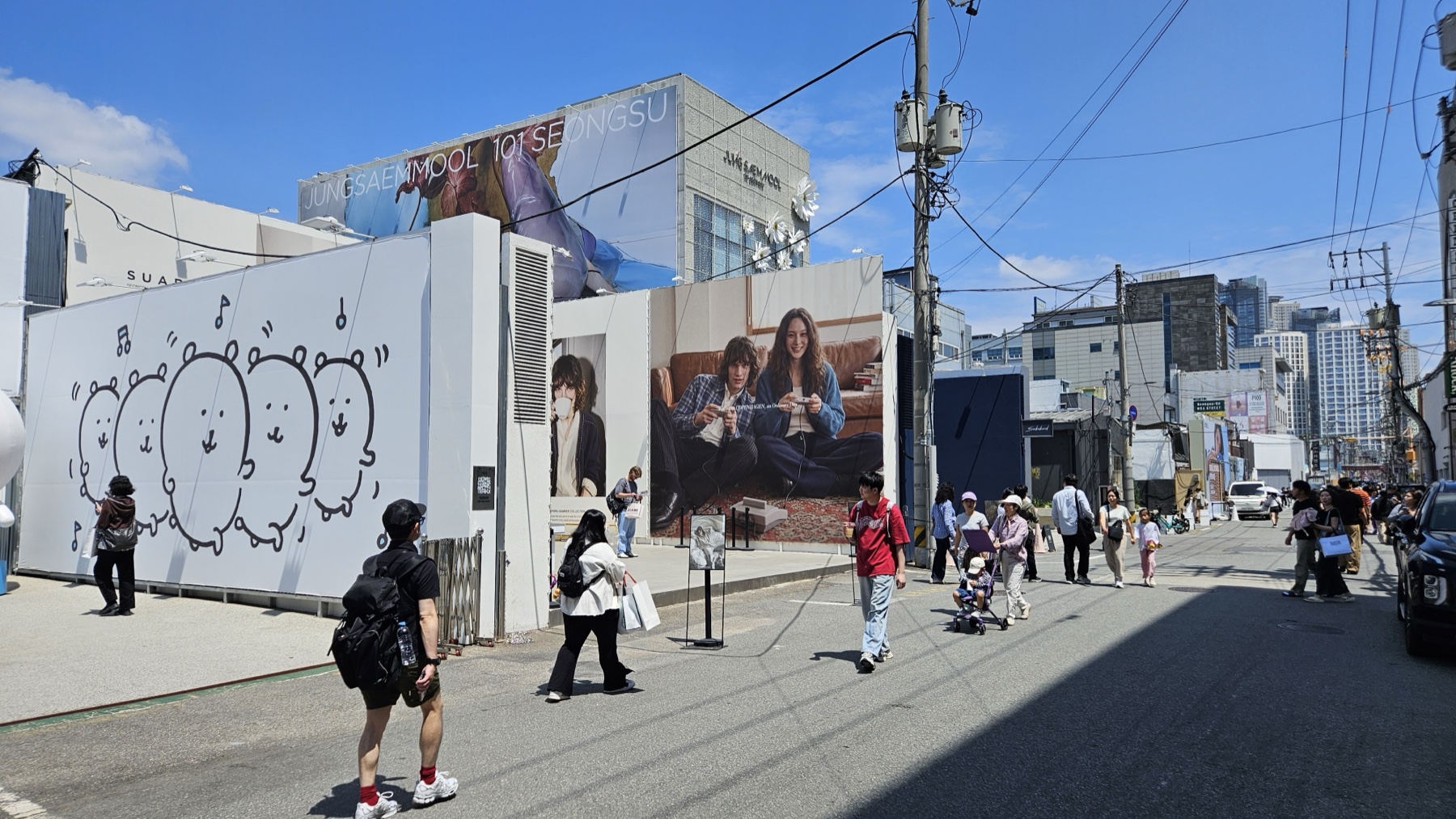
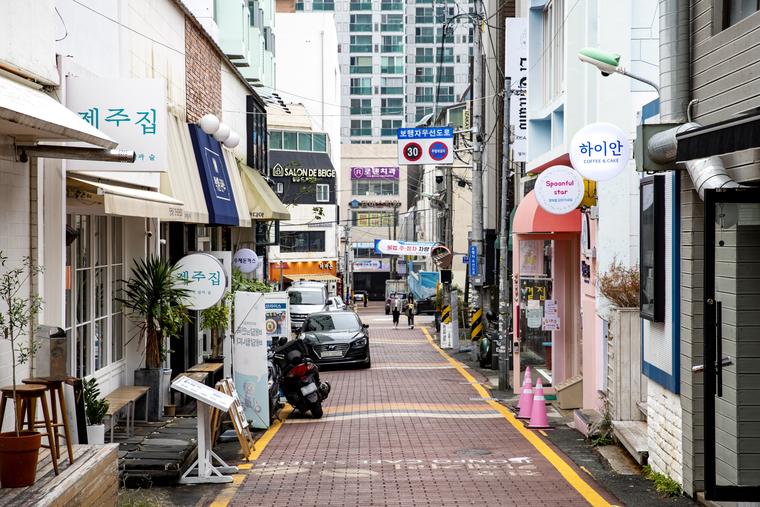
Busanjin-gu · official festival notice, 22 September 2026 ↗Korea Tourism Organization · 2026 Jeonpo Coffee Festival ↗Korea Tourism Organization · Jeonpo Café Street background ↗Visit Busan · Jeonpo Café Street and access ↗Kookje Shinmun · festival report, 8 October 2026 ↗Korea Tourism Organization / KOGL · Jeonpo photographs and rights ↗KOGL Type 1 · attribution license terms ↗Busanjin-gu official YouTube · 10th Jeonpo Coffee Festival promo ↗MICHELIN Guide · Busan Bib Gourmand ↗Visit Busan · Jeonpo cafés and desserts ↗Shops and signs line an alley in Jeonpo Café Street. Archival photograph provided by the Korea Tourism Organization. Photo: Korea Tourism Organization, KOGL Type 1. The collection gives 2020 as the photo year; the exact date is unknown. This is not a 2026 festival scene or evidence of this year’s participating shops. Public preview file used unchanged; the card displays a centred 4:3 crop.
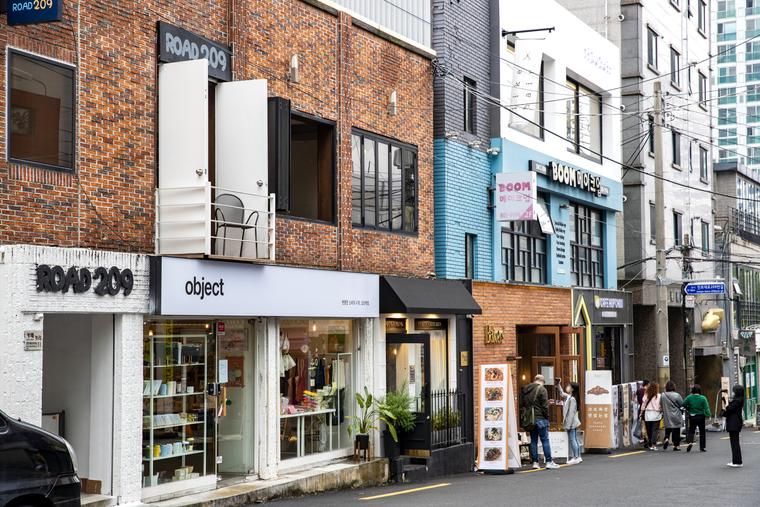
A red-brick building signed ‘ROAD 209’ and neighbouring shops around Jeonpo-daero 209beon-gil, this year’s festival area. Archival photograph provided by the Korea Tourism Organization. Photo: Korea Tourism Organization, KOGL Type 1. The collection gives 2020 as the photo year; the exact date is unknown. This is not a 2026 festival scene or evidence of this year’s participating shops. Public preview file used unchanged.
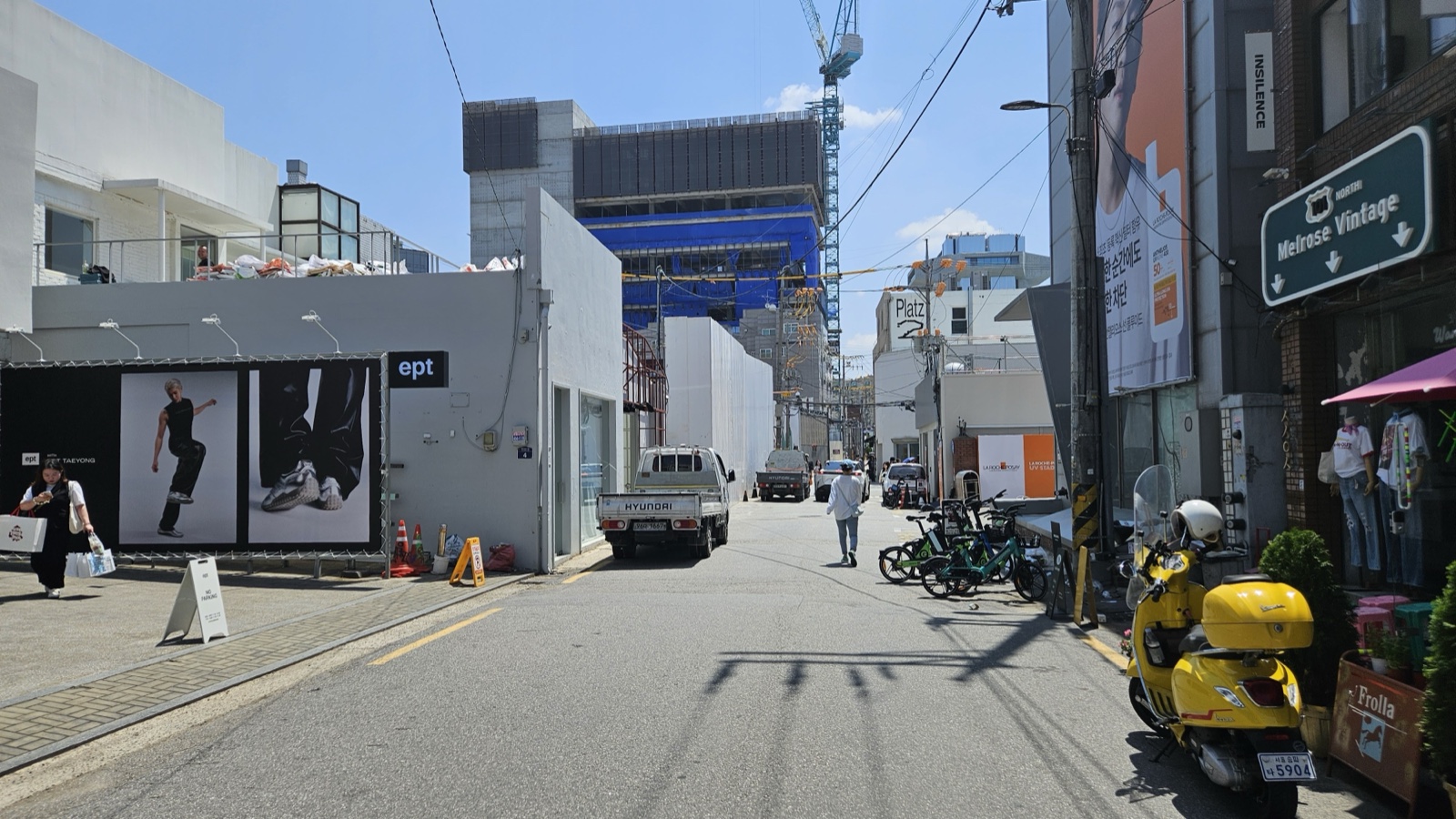
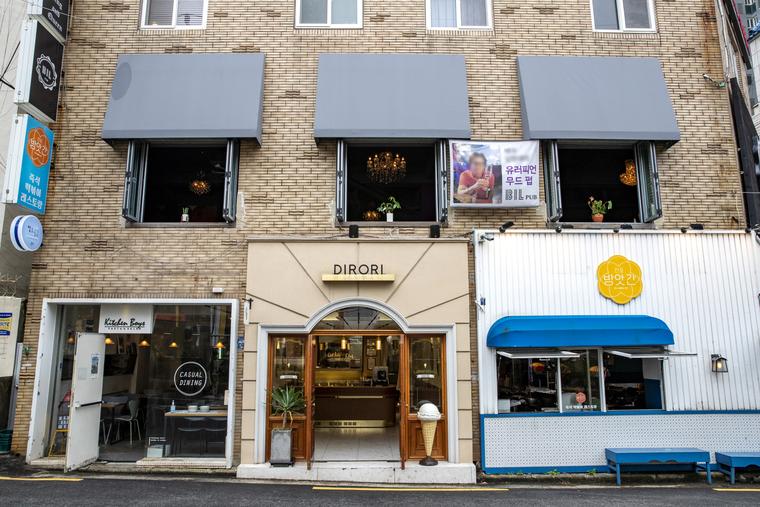
Contrasting shopfronts along Jeonpo Café Street. Archival photograph provided by the Korea Tourism Organization. Photo: Korea Tourism Organization, KOGL Type 1. The collection gives 2020 as the photo year; the exact date is unknown. This is not a 2026 festival scene or evidence of this year’s participating shops. Public preview file used unchanged; the card displays a centred 4:3 crop.
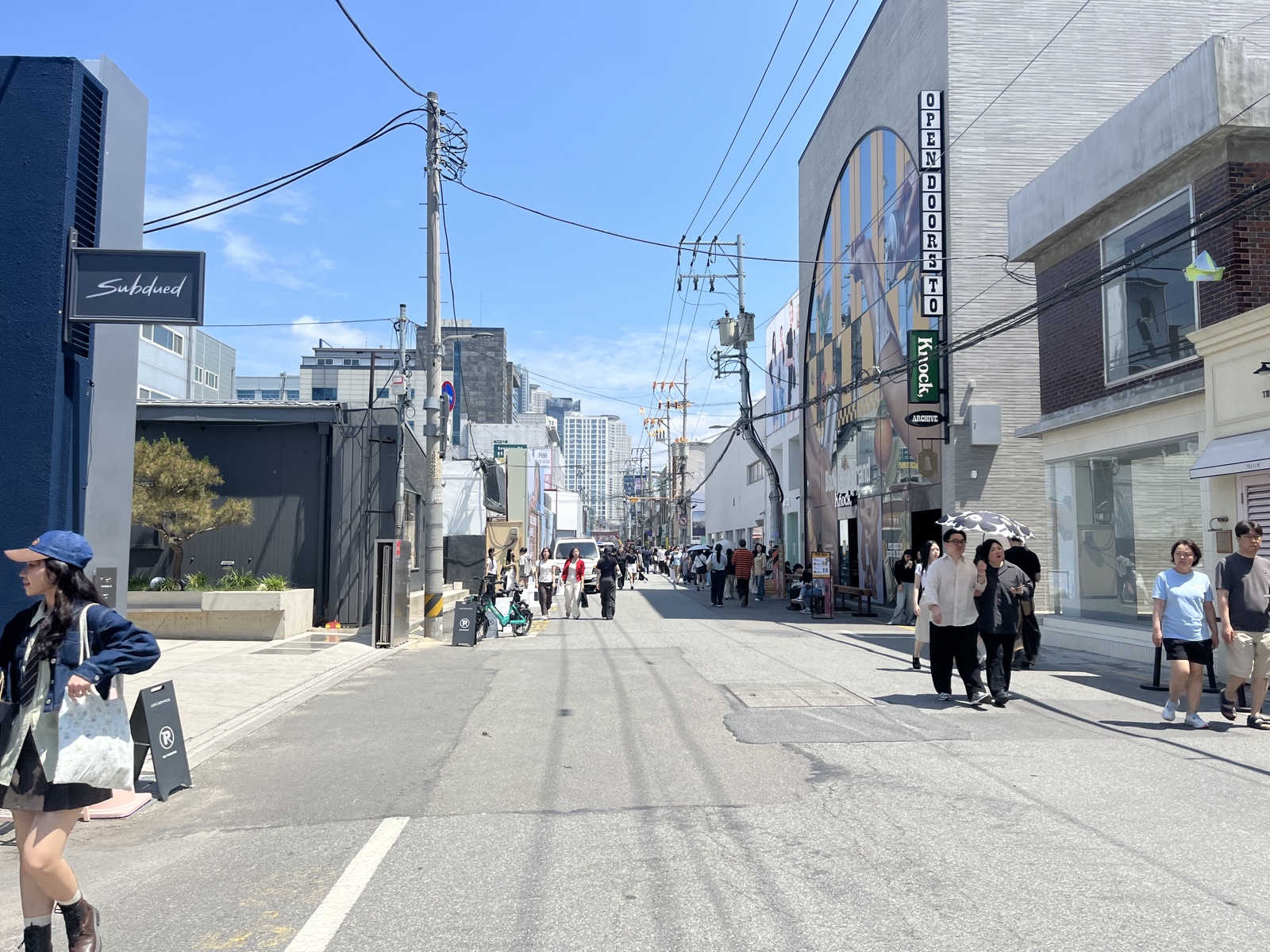
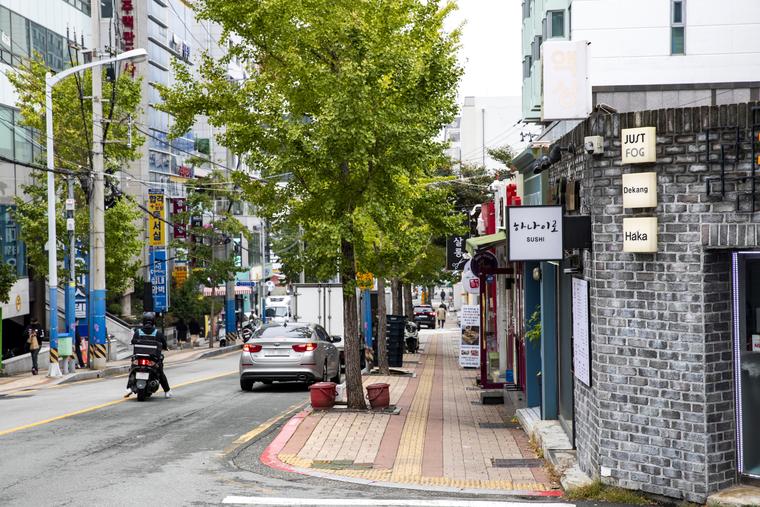
A wider street in Jeonpo Café Street with a ginkgo tree and pavement. Archival photograph provided by the Korea Tourism Organization. Photo: Korea Tourism Organization, KOGL Type 1. The collection gives 2020 as the photo year; the exact date is unknown. This is not a 2026 festival scene or evidence of this year’s participating shops. Public preview file used unchanged.
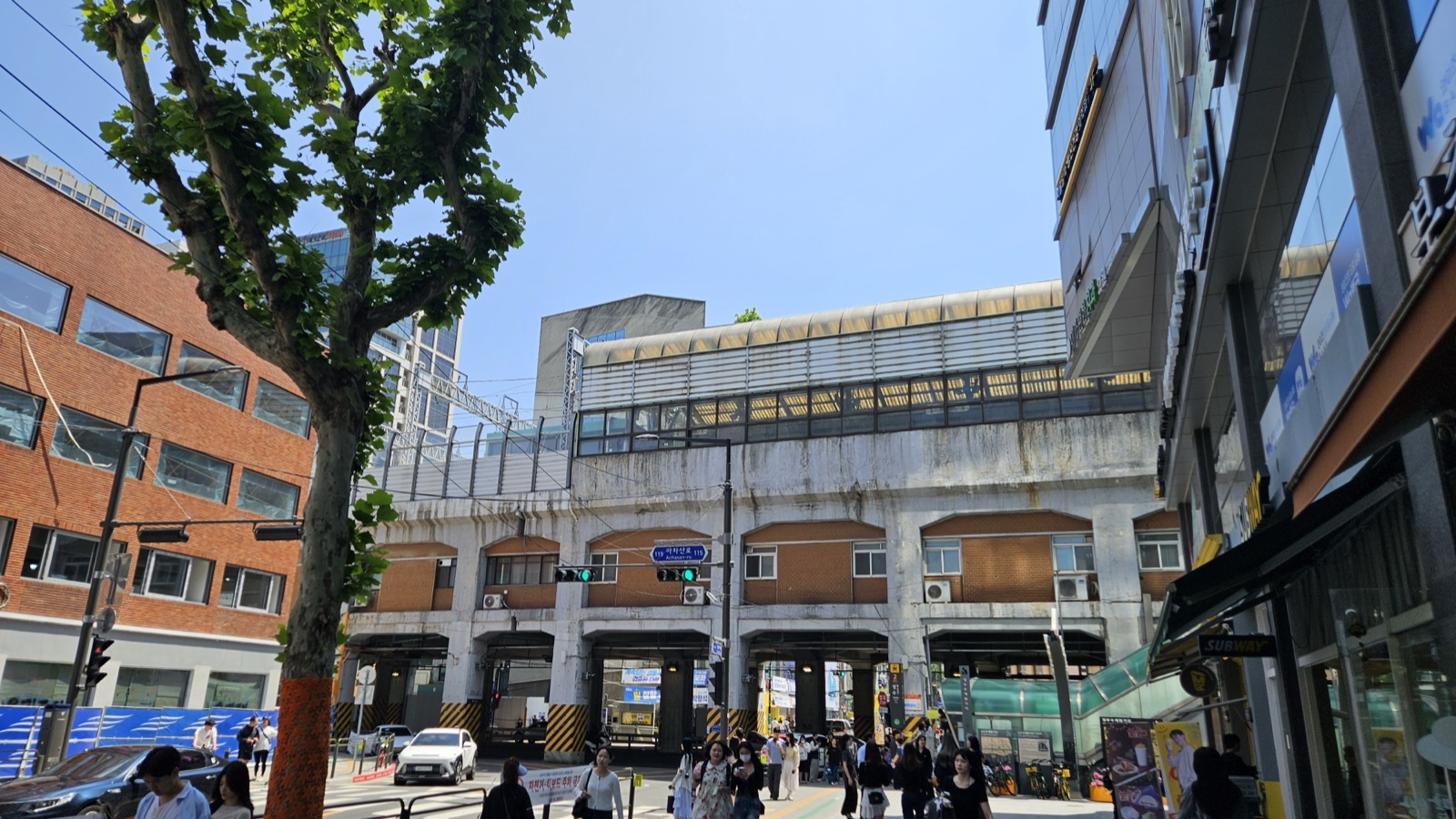
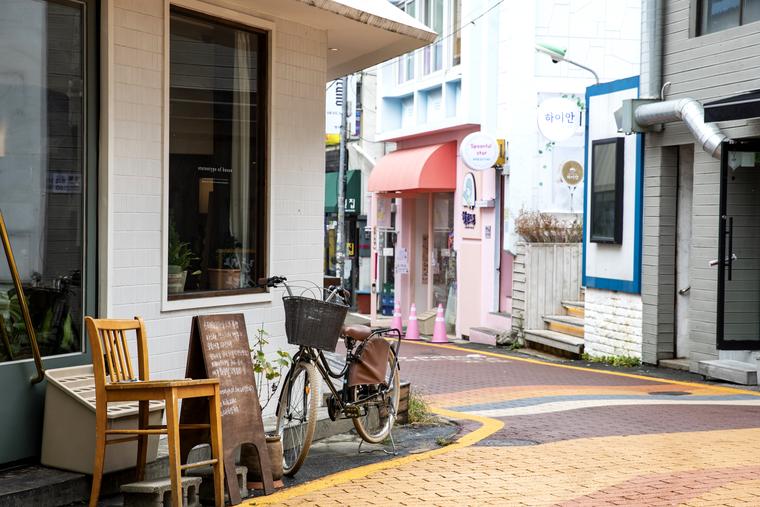
A bicycle and wooden chair beside a shop, with a pink storefront across the alley in Jeonpo Café Street. Archival photograph provided by the Korea Tourism Organization. Photo: Korea Tourism Organization, KOGL Type 1. The collection gives 2020 as the photo year; the exact date is unknown. This is not a 2026 festival scene or evidence of this year’s participating shops. Public preview file used unchanged; the card displays a centred 4:3 crop.
A Jeonpo lane with a ‘BAO HAUS’ sign on an upper floor. Taken in 2020; it is not confirmed that the current restaurant’s location or frontage matches. Archival photograph provided by the Korea Tourism Organization. Photo: Korea Tourism Organization, KOGL Type 1. The collection gives 2020 as the photo year; the exact date is unknown. This is not a 2026 festival scene or evidence of this year’s participating shops. Public preview file used unchanged.
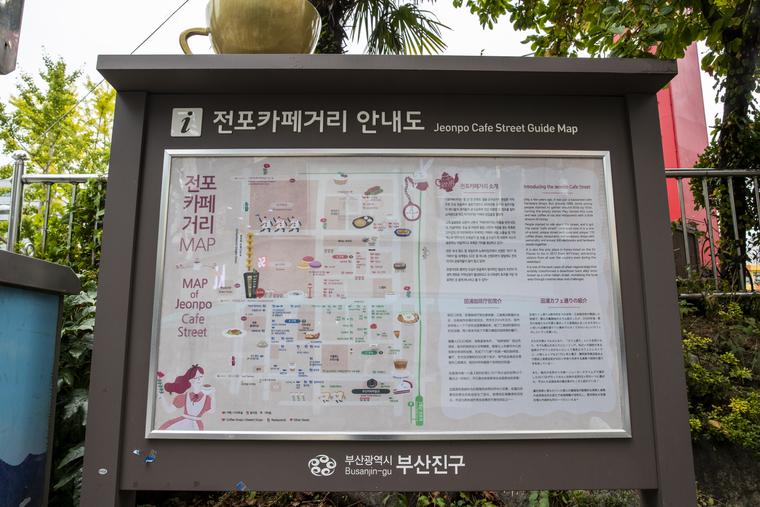
The ‘Jeonpo Cafe Street Guide Map’ sign installed by Busanjin-gu. Archival photograph provided by the Korea Tourism Organization. Photo: Korea Tourism Organization, KOGL Type 1. The collection gives 2020 as the photo year; the exact date is unknown. This is not a 2026 festival scene or evidence of this year’s participating shops. Public preview file used unchanged.