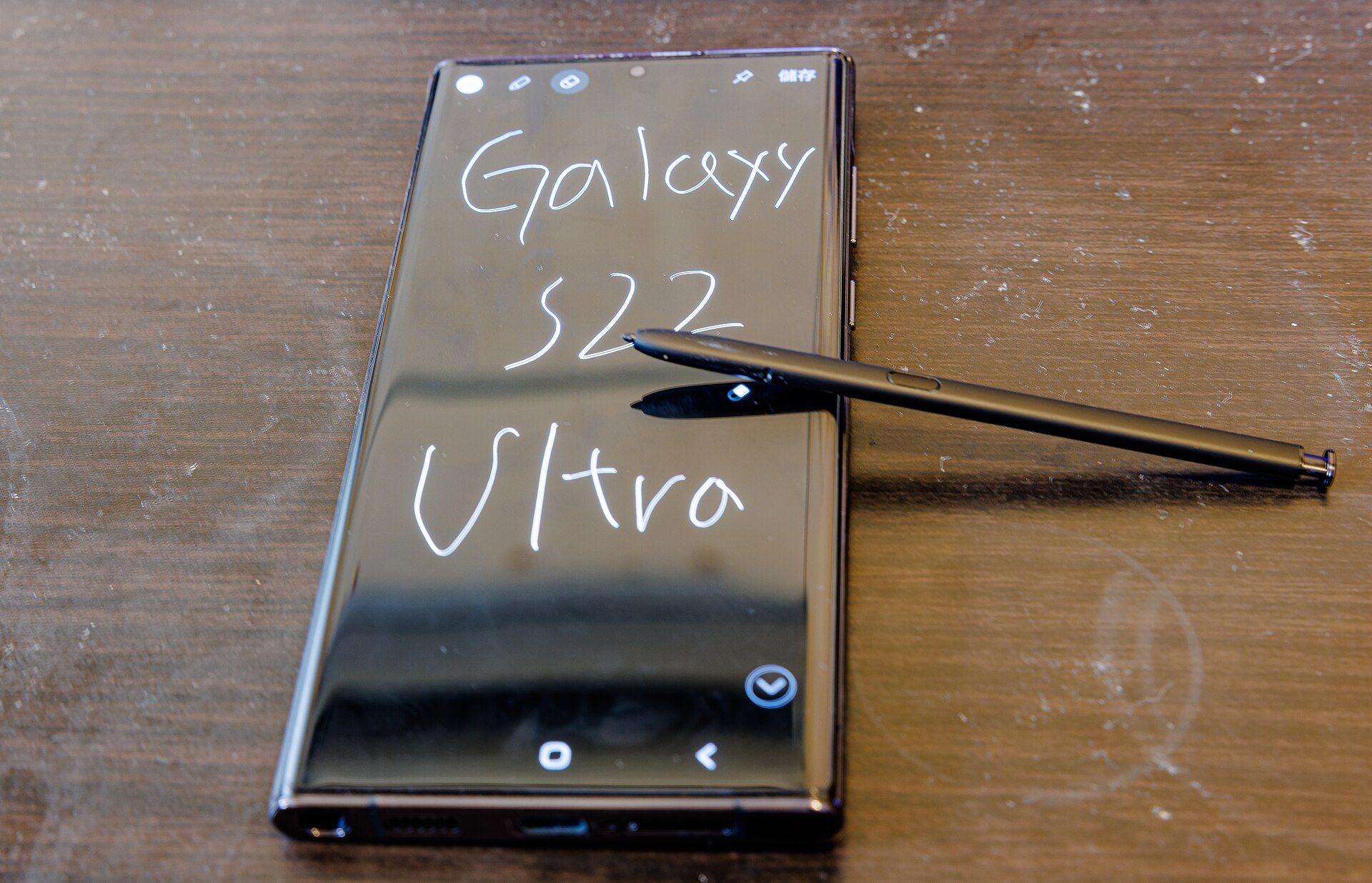
South Korea's Fair Trade Commission said on Oct. 27 that it is ordering Samsung Electronics to correct its advertising and fining it about KRW 20.1 billion, provisionally, over the Game Optimizing Service (GOS) on the Galaxy S21, S22 and Tab S8 lines. The regulator says Samsung never told buyers that performance could be capped. Samsung plans an administrative lawsuit.
The ads at issue
The KFTC says Samsung's website, promo videos, launch events and press releases touted 'the best performance ever' while leaving out that GOS could cap peak performance the moment a demanding game starts.
The products covered are the Galaxy S21 series, S22 series and Tab S8 series.
How hard was the cap?
Regardless of device temperature, GOS held CPU and GPU peak speeds and refresh rate to preset values, as low as about 30% of maximum. On a Galaxy S22 running PUBG: New State, the CPU and GPU were held to 31.4% and 26.9% of normal.
The number of games capped was 82 on the S21 series, 47 on the S22 series and 8 on the Tab S8 series.
Where the 20 billion comes from
The fine is a 0.5% rate applied to KRW 4.0228 trillion in related sales. The case examiner called it a grave violation and proposed up to KRW 66 billion, but the full commission downgraded it to a weak-gravity violation, citing Samsung's voluntary corrective efforts. The figure is provisional.
Samsung: 'hard to accept'
Samsung says GOS manages heat and keeps gameplay stable, and that fewer than 5% of users played the demanding games it applied to, so it was not information that sways a purchase. It adds that the disputed setting is four years old, was changed by a March 2022 update and is no longer used.
It will contest the ruling in an administrative lawsuit once it has the written decision.
What the civil suits found
Of eight civil suits at home and abroad (three in Korea, four in the US, one in Israel), none has held Samsung liable for damages. The first Korean trial accepted that the ads were misleading but dismissed the KRW 300,000-per-plaintiff claim for lack of proven loss; the appeal ended in court-ordered mediation.
A KFTC commissioner said the civil outcome does not bind the regulator and that mediation is not a ruling on the merits.