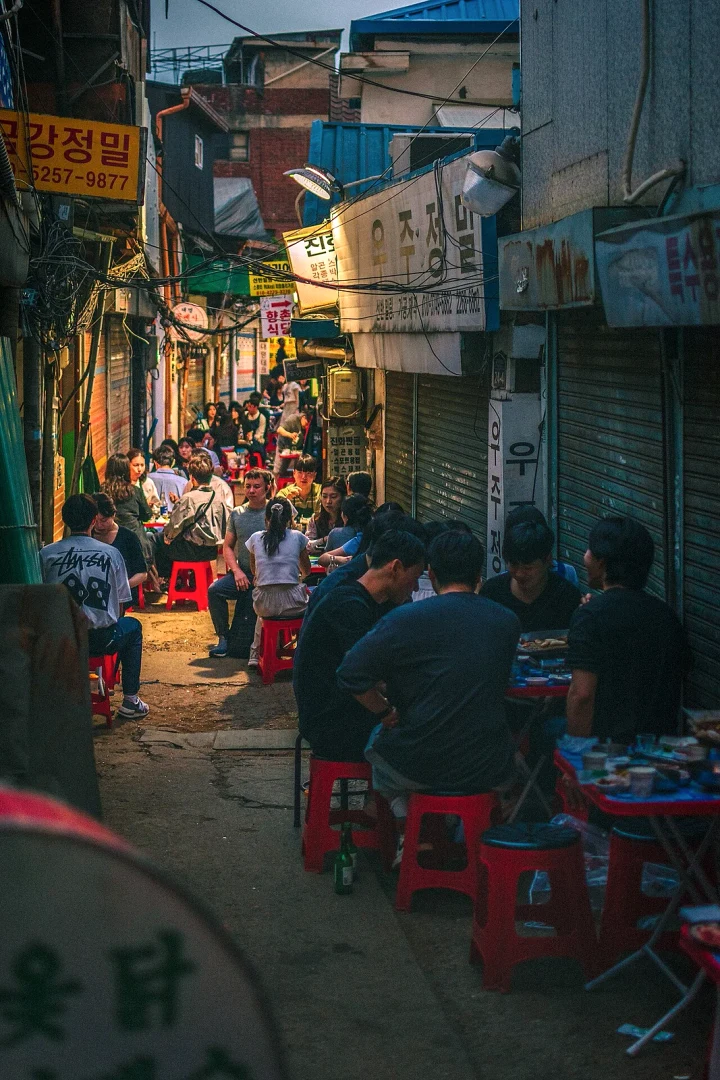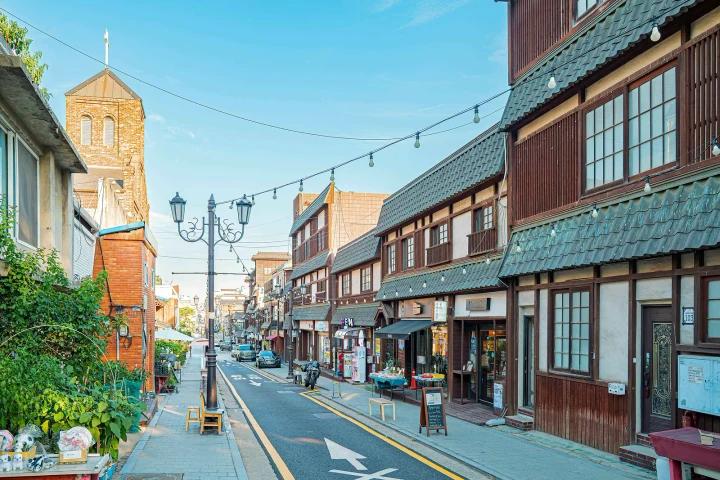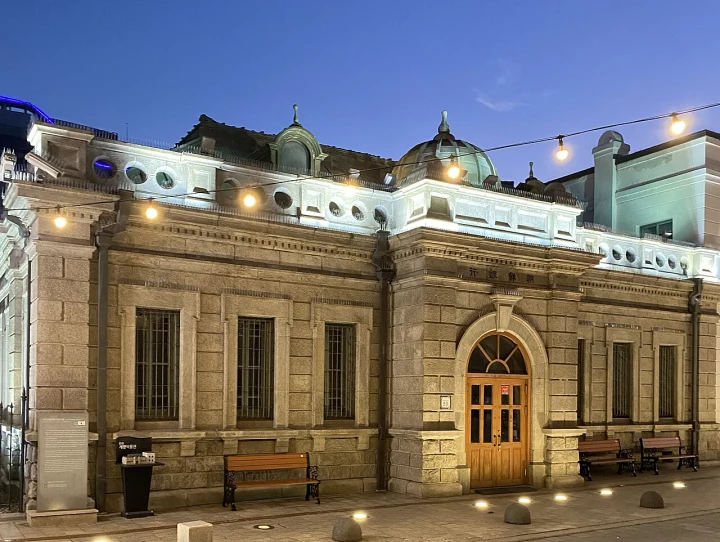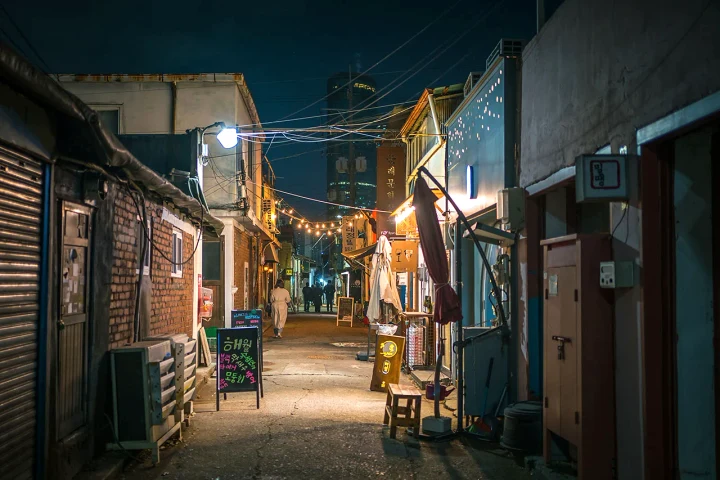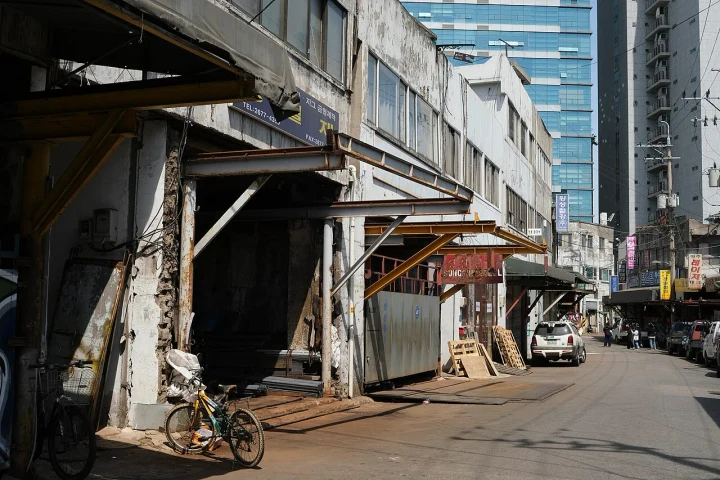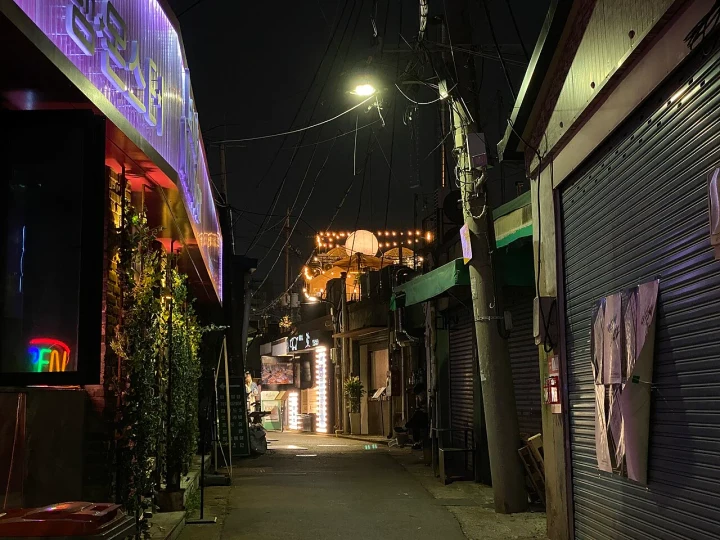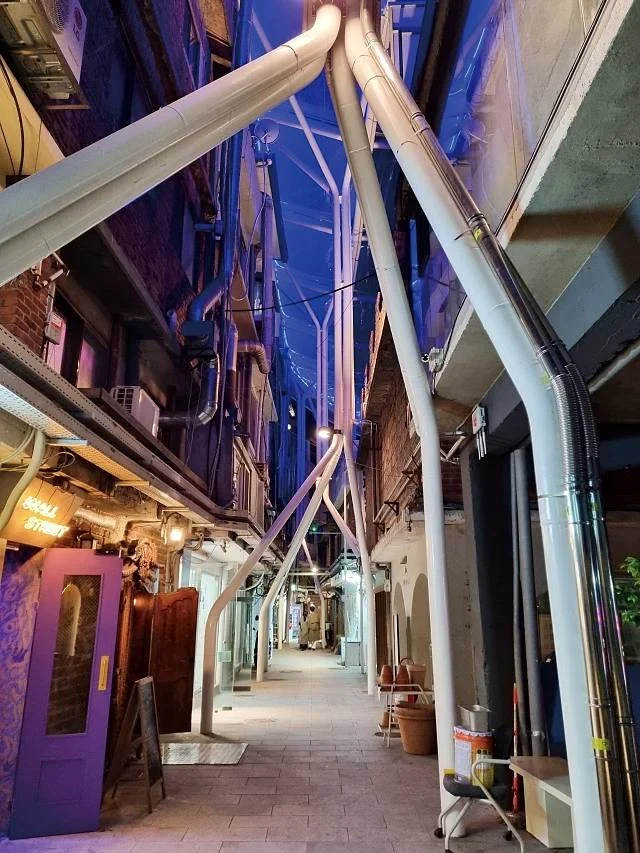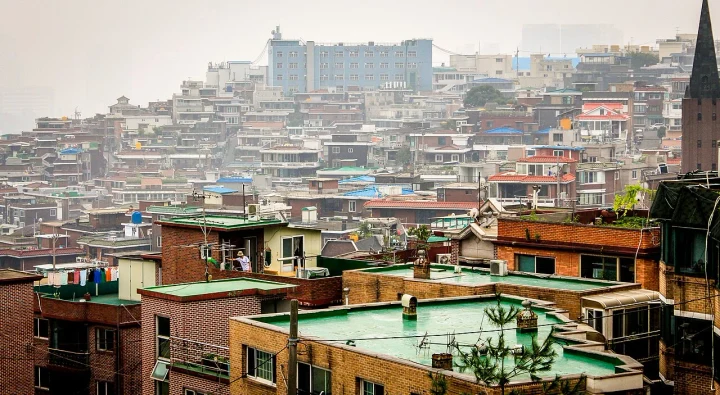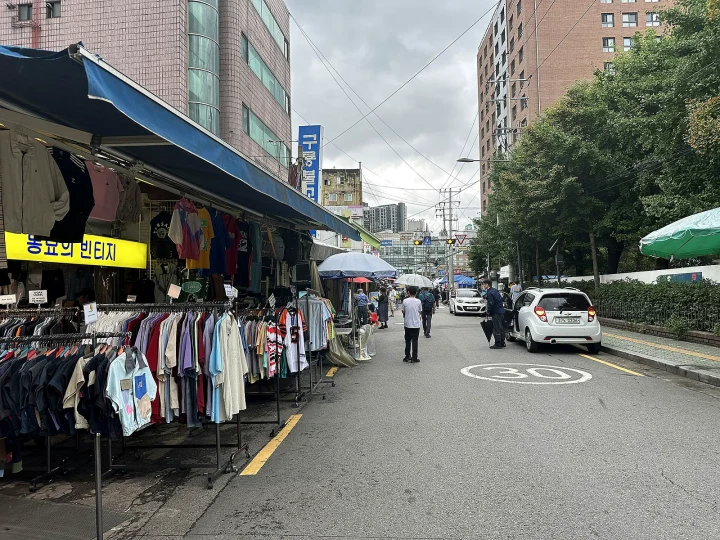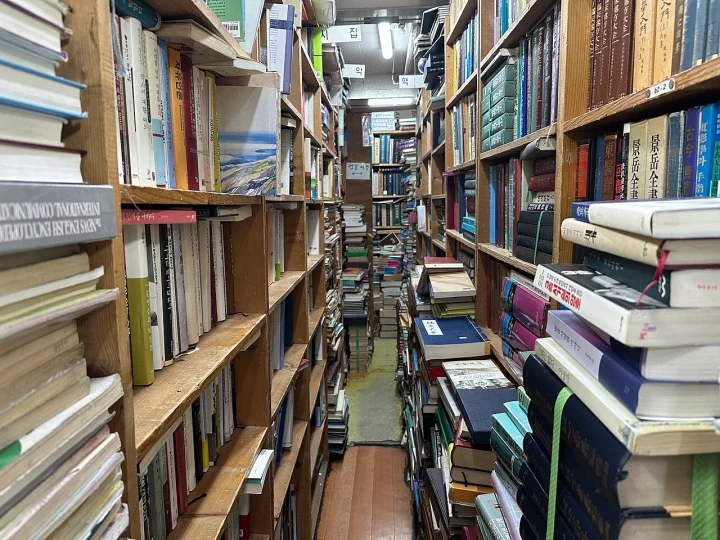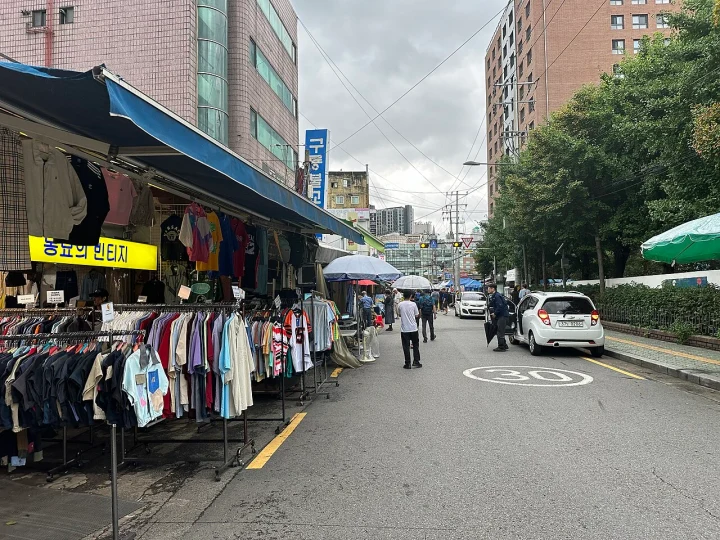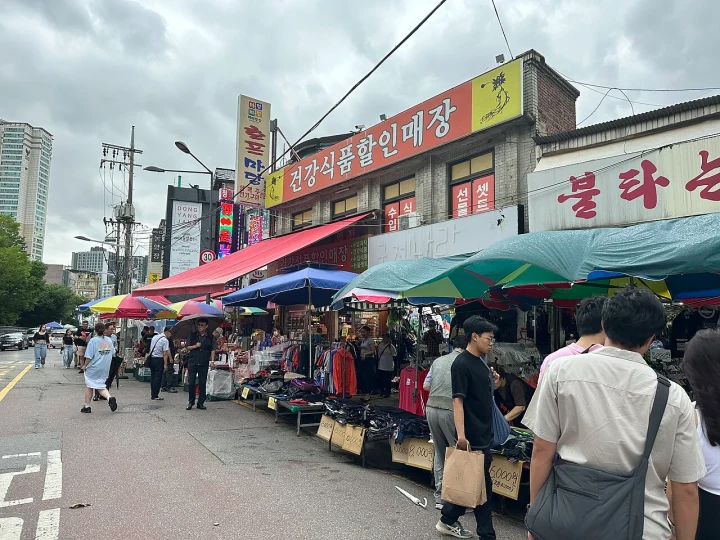
Time Out picked Jongno 3-ga as the world’s coolest neighbourhood for 2026. Walk past its old restaurants and tent bars into Ikseon-dong’s low hanok lanes and small shops, and the reasons start to come into view.
Jongno 3-ga · Lines 1·3·5 · 3 min walk
Even the name carries traces of older Seoul
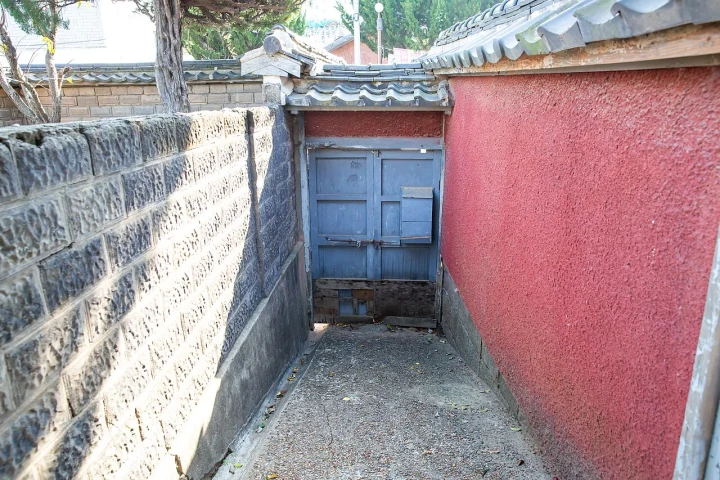
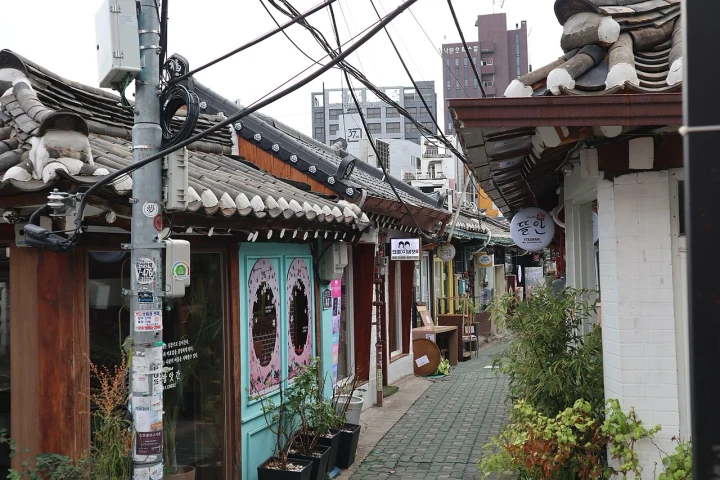
Ikseon-dong’s name is generally traced to older place-names: ik from Ik-rang-dong and seon from Jeongseon-bang, a Joseon-era administrative district. The area also included Nudonggung, a royal residence associated with King Cheoljong’s family. In the 1920s and 1930s, developer Jeong Se-gwon bought land around the former palace site and built a dense cluster of compact urban hanok for city residents. The narrow lanes and small houses you see today began as everyday housing, not as a tourist set.
Different memories of Seoul share the same streets
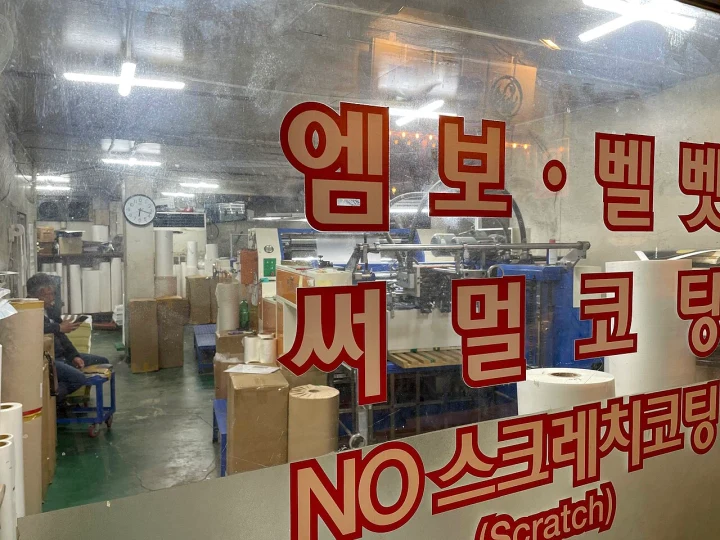
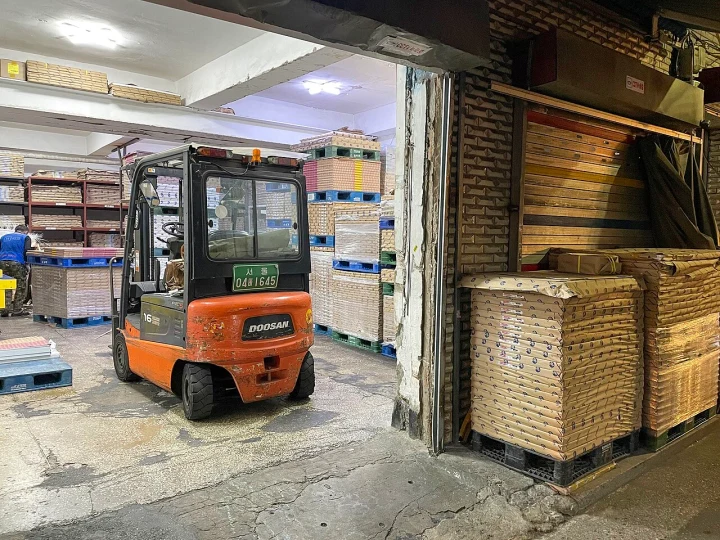
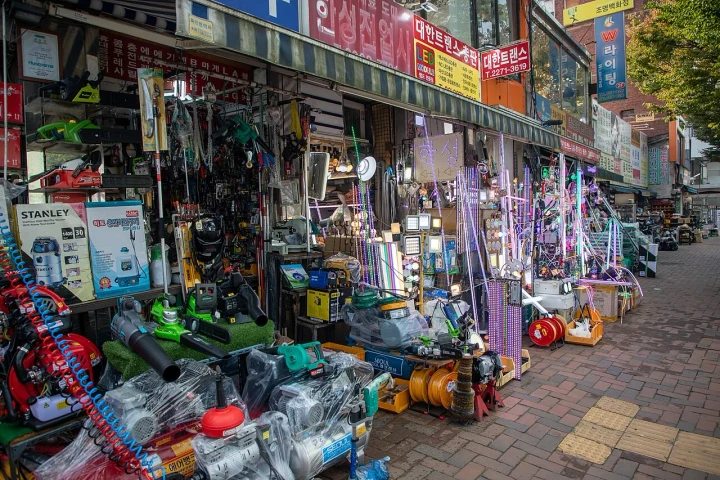
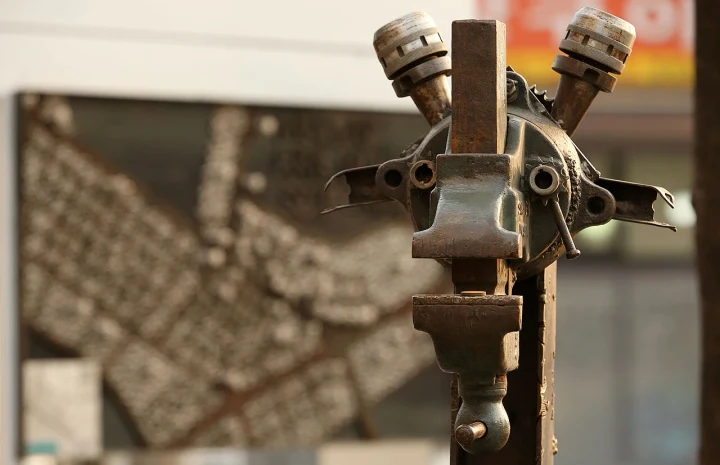
For longtime regulars, Jongno 3-ga means familiar restaurants and meeting places; for instrument dealers and musicians around Nakwon Music Mall, it is a working district. Younger visitors walking through Ikseon-dong, office workers at evening pochas, and LGBTQ+ communities with deep roots in Jongno all share these streets. Queer venues and patrons are not tourist attractions, so be especially considerate with cameras and attention.
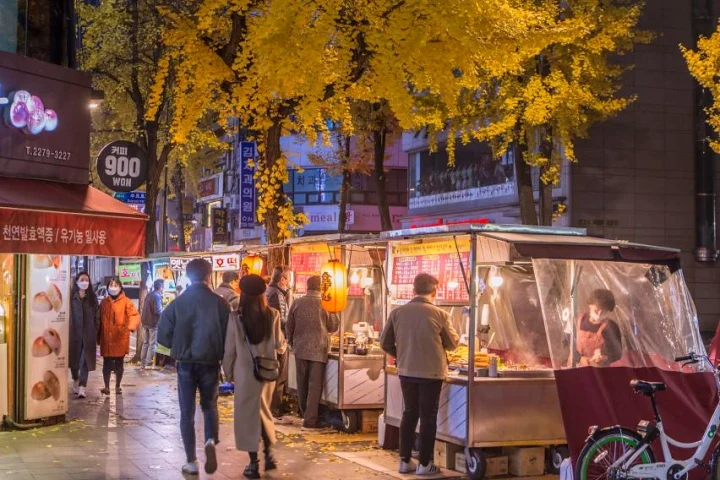
A fresh buzz around the evening food stalls
Time Out highlighted the younger crowds returning to the pochas on Donhwamun-ro 11-gil. Pulling up a seat at an outdoor table and sharing food is part of the appeal.
Hanok that are part of everyday life
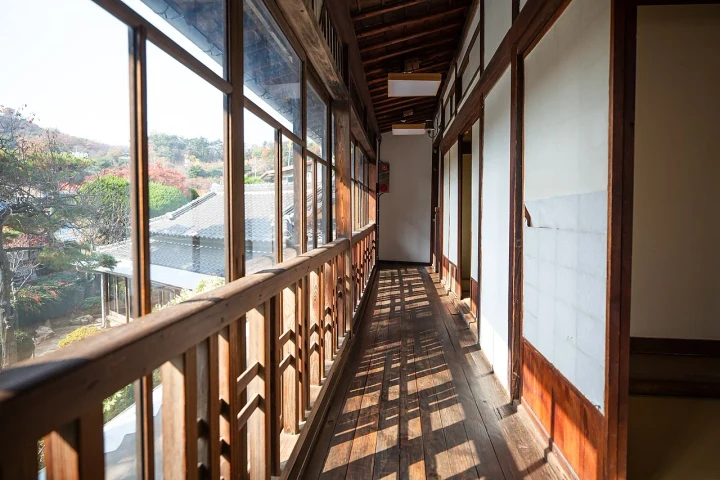
Ikseon-dong’s older houses now hold cafés and small shops. They are more than a backdrop for photographs: people meet, browse and spend time inside them.
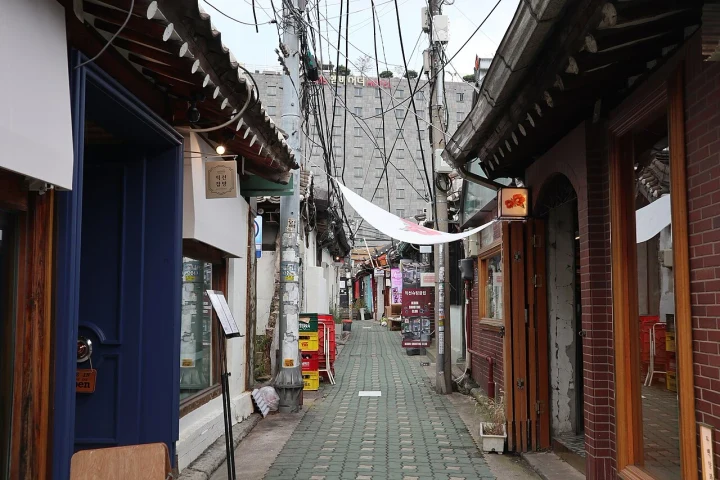
Small discoveries along Seosulla-gil
Time Out also singled out the craft workshops, jewellery studios and distinctive bars beside Jongmyo’s stone wall. This lane offers a quieter contrast to the tent-bar streets.
Sunset into night
This is when tent bars, old restaurants and small bars overlap, and the contrast between Ikseon-dong and Jongno 3-ga is easiest to feel.
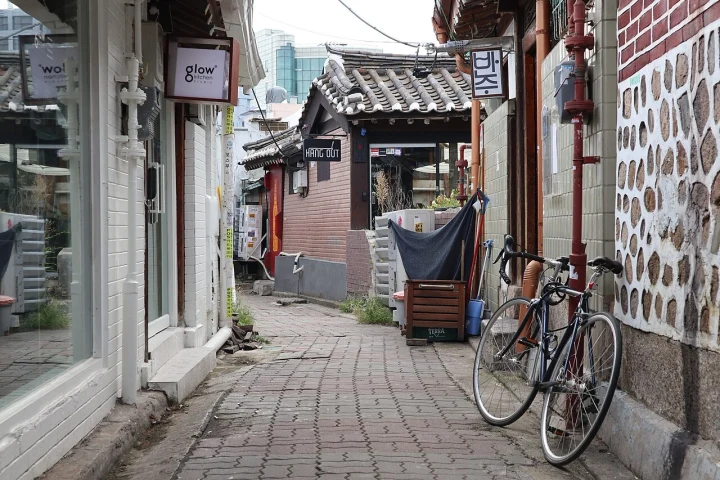
Daytime
Best for seeing the hanok rooflines, the scale of the lanes and the details of the buildings at an easy pace.
Morning
The lanes are calmer, but many businesses have not opened yet, so you miss much of the neighborhood’s social energy.
QUICK WALK
A short loop through Ikseon-dong and the edge of Jongno 3-ga
RECOMMENDED
Walk from Ikseon-dong through Nakwon-dong and into Jongno 3-ga at an easy pace
WITH FOOD
Add a meal plus a tent bar or small bar to make an evening of it
Before you visit
Ikseon-dong and the Jongno 3-ga tent-bar streets can get very crowded on weekend evenings. Some hanok are still part of everyday residential life. Be considerate when photographing people or looking into private spaces. You will understand the area better by walking the neighborhood than by building the visit around one famous shop.
Station access
Jongno 3-ga Station
STORE INFO
LOCATION
NEARBY
Source www.timeout.com